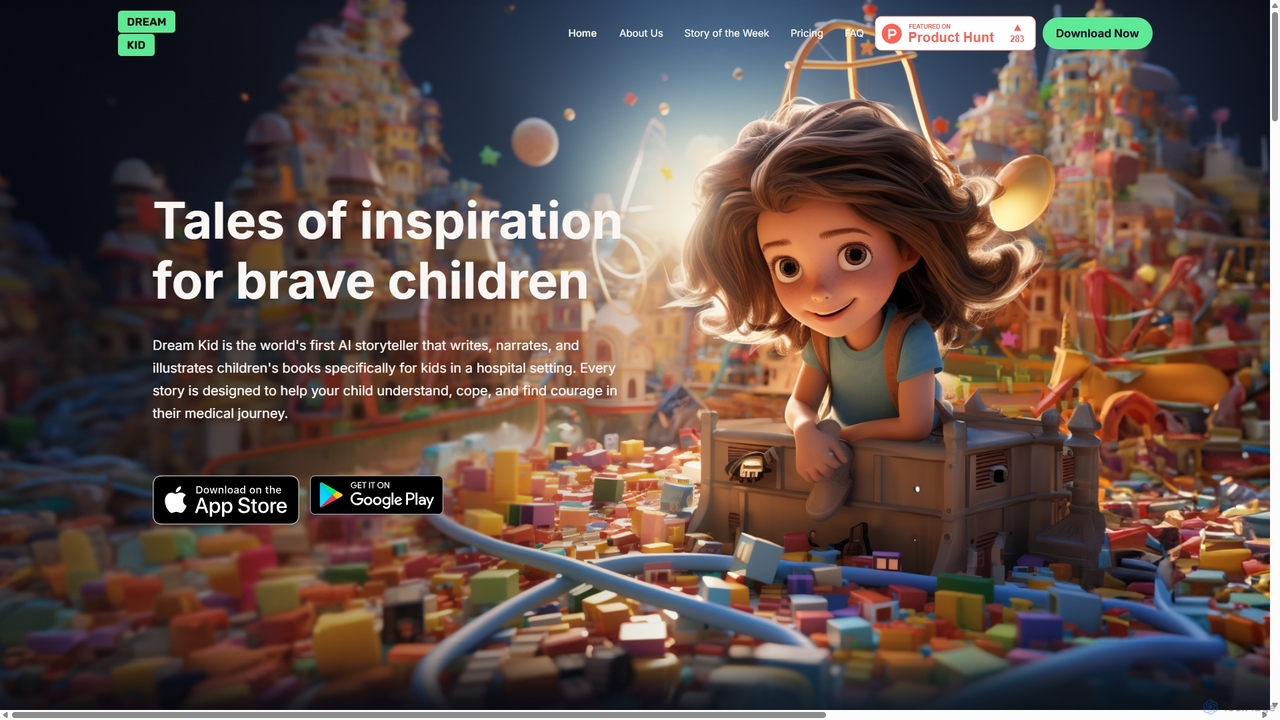
Generative Art tools are AI-powered applications that create unique artistic outputs, such as images, music, or text, through algorithms and user-defined parameters. These tools often leverage advanced models like Generative Adversarial Networks (GANs) and Diffusion Models to produce novel and diverse creations. They empower artists, designers, and hobbyists to explore new creative frontiers, automate content generation, and achieve highly personalized artistic visions. This category within Personalized AI tools emphasizes the creation of bespoke content tailored to individual styles and requirements.
Core Features
- Text-to-Image Generation: Transforms textual descriptions into visual artworks.
- Style Transfer: Applies the artistic style of one image to the content of another.
- Parameter Control & Iteration: Allows users to fine-tune various settings to guide the AI's creative process and generate variations.
- Image-to-Image Transformation: Modifies existing images based on prompts or stylistic inputs.
- Algorithmic Composition: Generates musical pieces or soundscapes based on genre, mood, or instrumental preferences.
Applicable Scenarios
Generative Art tools are widely used by digital artists for creating unique pieces, game developers for rapid concept art and texture generation, and marketers for producing diverse visual content for campaigns. They also serve content creators seeking personalized social media visuals and hobbyists exploring new forms of creative expression.
How to Choose
When selecting a Generative Art tool, consider the desired output quality and resolution, the level of customization and control offered over the generation process, and the types of input supported (text, image, sketch). Evaluate the user interface for ease of use, the community support, and the pricing model, including any usage limits or licensing terms for commercial use.