ToolMage
Sign in

Best 2 Adaptive Learning AI tools for Personalized Learning

Popular Adaptive Learning AI tools in Personalized Learning include Zora Learning and Stretch, helping you work more efficiently.

Zora Learning
Freemium

Zora Learning

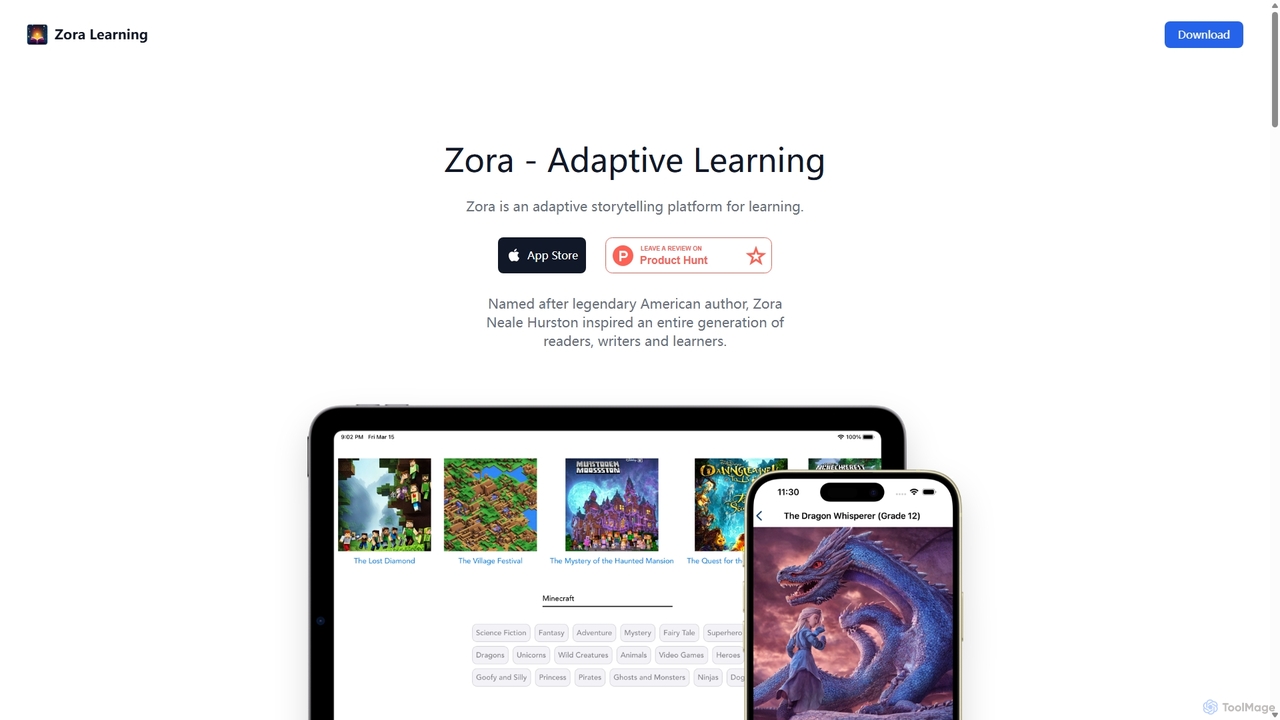
Zora Learning is an AI-powered adaptive storytelling platform designed to make reading fun and effective. It generates personalized stories based on a user's interests and reading level, from K-12 to college. Through gamification and interactive narratives, it helps improve reading comprehension and vocabulary in an engaging way.

Language Learning
Visits 7.2KFavorites 133Likes 135
Stretch
Freemium

Stretch

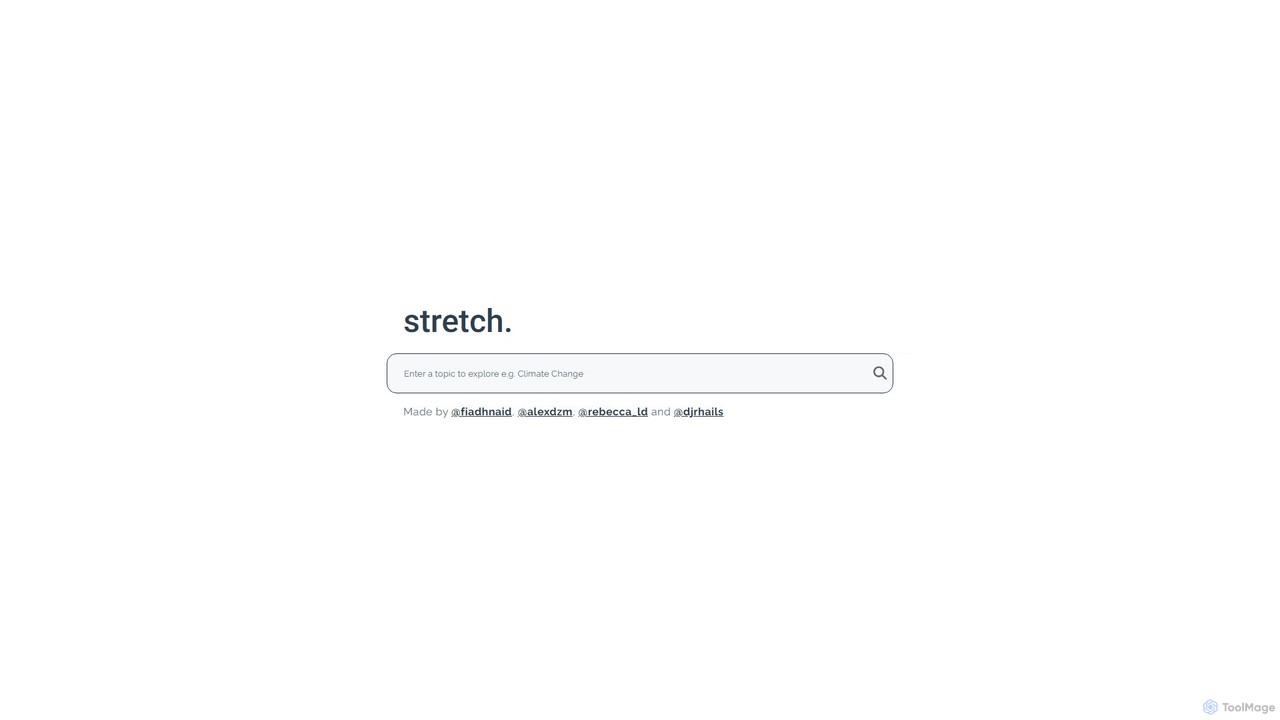
Stretch is an AI-powered educational platform designed for teachers and students. It helps create personalized 'stretch and challenge' learning materials, generating differentiated instruction content, advanced quizzes, and in-depth concept explanations to push students beyond the core curriculum and foster deeper understanding.

Teaching Assistant
Visits 6.5KFavorites 162Likes 159

About Adaptive Learning

Adaptive Learning tools are AI-driven educational platforms that dynamically adjust the learning path for each individual in real-time. These systems analyze a learner's performance, interactions, and responses to instantly modify the content's difficulty, sequence, and format. This creates a truly personalized educational experience, addressing knowledge gaps as they appear and accelerating progress in areas of strength. Unlike broader personalized learning which may offer choices, adaptive learning automates the optimization of the educational journey for maximum efficiency and comprehension.

Core Features

  • Real-time Path Adjustment: Automatically alters the sequence and difficulty of learning materials based on the user's ongoing performance.
  • Knowledge Gap Analysis: Identifies specific concepts or skills where a learner is struggling and provides targeted remedial content.
  • Personalized Feedback: Delivers immediate, specific feedback, hints, or explanations tailored to the learner's incorrect answers.
  • Predictive Analytics: Forecasts future performance and identifies at-risk learners, allowing for proactive intervention by instructors.
  • Dynamic Content Delivery: Presents information in various formats (text, video, interactive simulations) based on what is most effective for the individual learner.

Applicable Scenarios

Adaptive Learning is highly effective in environments requiring mastery of complex subjects. It is widely used in corporate training for compliance and skills development, in higher education for foundational courses like math and science, and by online platforms for professional certification preparation (e.g., finance, IT). It is also the core technology behind many advanced language-learning applications.

Selection Criteria

When choosing an Adaptive Learning tool, evaluate the sophistication of its adaptation algorithm—how well it diagnoses and responds to learner needs. Assess the quality and breadth of the content library for your specific subject area. Consider its integration capabilities with existing Learning Management Systems (LMS) and the depth of analytics provided for both learners and administrators.

Adaptive Learning use cases

1

Corporate Compliance Training

An HR manager needs to ensure all 500 employees complete mandatory annual security training. Using an adaptive learning platform, each employee starts with a pre-assessment. The system automatically creates a unique learning path for each person, skipping modules they've already mastered and focusing on areas where they show knowledge gaps. This reduces overall training time by an average of 40% and ensures every employee achieves a verified level of competency, simplifying compliance reporting.

2

Personalized Math Tutoring for K-12 Students

A middle school student is struggling with algebra. Their teacher assigns an adaptive learning tool for homework. The platform observes that the student consistently makes errors when dealing with negative exponents. Instead of moving to the next topic, the system provides a targeted micro-lesson on exponent rules, followed by a series of practice problems focused solely on that skill. Once the student demonstrates mastery, the platform seamlessly transitions back to the main curriculum, having addressed the foundational weakness.

3

Optimizing Professional Certification Exam Prep

A financial analyst is preparing for the CFA exam. They use an adaptive learning study platform that starts with a diagnostic test to map their strengths and weaknesses across all exam topics. The platform then generates a dynamic study plan that prioritizes their weakest areas. As they complete quizzes, the system continuously re-calibrates the plan, presenting more questions on topics they find difficult and fewer on those they've mastered. This targeted approach maximizes study efficiency and increases the likelihood of passing the exam.

4

Efficient Language Vocabulary Acquisition

A user wants to learn Spanish vocabulary efficiently. They use an adaptive language app that employs a sophisticated spaced repetition system (SRS). When a new word is introduced, the app tracks the user's recall accuracy and speed. Words that are answered correctly and quickly are scheduled for review further in the future. Words that are answered incorrectly or slowly reappear more frequently. This dynamic scheduling ensures the user's effort is focused on mastering difficult vocabulary without wasting time on words they already know well.

5

Onboarding New Hires to Complex Software

A tech company needs to train new software engineers on its proprietary internal coding framework. An adaptive training module guides them through the core concepts. The system presents interactive coding challenges and analyzes their solutions. If an engineer struggles with a specific function, the platform provides links to relevant documentation and offers simpler, foundational exercises on that topic. This allows experienced hires to quickly move through familiar concepts while providing targeted support for junior engineers, standardizing knowledge across the team.

6

Mastering University-Level Foundational Courses

A university implements an adaptive learning platform for its large introductory physics course to address varying levels of student preparedness. The platform supplements lectures by providing personalized problem sets. It identifies if a student's difficulty with dynamics stems from a weak understanding of calculus. The system then automatically assigns prerequisite calculus review modules before allowing the student to proceed. This ensures all students build a solid foundation, reducing failure rates and improving overall class performance.

Adaptive Learning FAQ

What is Adaptive Learning?

Adaptive Learning is a method of education that uses AI algorithms to deliver customized learning experiences in real-time. Unlike a static curriculum, an adaptive learning system constantly analyzes a user's performance and adjusts the difficulty, content, and sequence of materials to match their specific needs and pace. The primary goal is to optimize learning efficiency by focusing on individual knowledge gaps and reinforcing strengths.

How is Adaptive Learning different from Personalized Learning?

Personalized Learning is a broad term for tailoring education to individual needs, which can be low-tech (e.g., a teacher giving different worksheets). Adaptive Learning is a specific, high-tech subset of personalized learning. The key difference is automation and real-time response. In adaptive learning, the AI system itself makes continuous, data-driven decisions to change the learning path moment-by-moment, without direct instructor intervention. Personalized learning might offer choices, while adaptive learning actively guides and optimizes the path.

What are the key features of an Adaptive Learning platform?

Effective adaptive learning platforms typically include several core features:

  • Diagnostic Assessment: An initial test to gauge a learner's existing knowledge and identify a starting point.
  • Real-time Pathing: The algorithm that dynamically adjusts the learning sequence based on correct and incorrect answers.
  • Granular Content Library: A repository of small, modular learning objects (videos, texts, quizzes) that can be assembled into unique paths.
  • Immediate Feedback Engine: Provides learners with instant, targeted explanations for their mistakes.
  • Analytics Dashboard: Offers detailed reports for instructors and learners on progress, problem areas, and engagement.
Who can benefit from using Adaptive Learning tools?

A wide range of users can benefit from adaptive learning. Students in K-12 and higher education receive personalized tutoring that addresses their specific weaknesses. Corporate employees can complete mandatory training more efficiently and acquire new skills faster. Lifelong learners preparing for professional certifications can optimize their study time. Finally, instructors and trainers benefit from detailed analytics that highlight which students are struggling and which concepts are most difficult for the entire group, allowing for more targeted teaching.

How do I choose the right Adaptive Learning tool?

Choosing the right tool depends on your specific needs. Consider these factors:

  • Content & Subject Matter: Does the platform have a high-quality, comprehensive content library for your specific subject, or does it allow you to easily import your own?
  • Algorithm Sophistication: Ask about the underlying adaptive model. Does it simply adjust difficulty, or does it analyze error patterns to diagnose misconceptions?
  • Integration: Can the tool integrate with your existing Learning Management System (LMS), student information system (SIS), or other enterprise software?
  • User Experience & Analytics: Is the interface intuitive for both learners and administrators? How deep and actionable are the analytics and reporting features?