
ToolMage
Sign in

Best 1 Leadership Coaching AI tools for Professional Development

Popular Leadership Coaching AI tools in Professional Development include Sidebar, helping you work more efficiently.

Sidebar
Paid

Sidebar

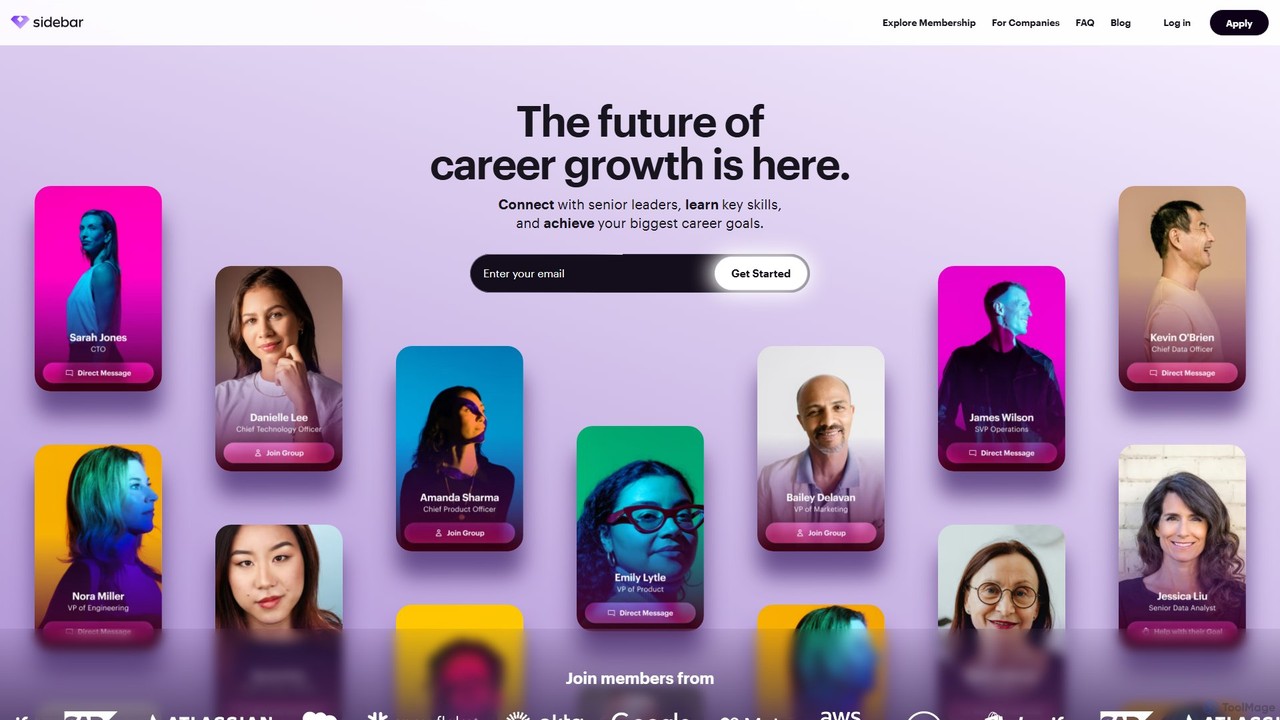
Sidebar is an AI-powered career growth platform for senior leaders. It connects executives, directors, and VPs into curated peer groups ("Circles") and provides 1:1 expert matching to solve complex professional challenges. Through a vetted community, exclusive events, and affinity groups, Sidebar helps leaders overcome isolation, gain diverse insights, and accelerate their career trajectory.

Mentorship
Visits 19.3KFavorites 135Likes 135

About Leadership Coaching

AI Leadership Coaching tools are intelligent platforms that use artificial intelligence to develop and refine management skills. Leveraging Natural Language Processing (NLP) and machine learning, these tools analyze communication, provide objective feedback, and offer personalized learning paths. They enable leaders at all levels to practice crucial conversations in simulated environments and receive data-driven insights for improvement. This approach makes high-quality leadership development scalable, accessible on-demand, and consistent across an organization.

Core Features

  • AI-Powered Feedback: Delivers instant, objective analysis on communication style, tone, and clarity in text or speech.
  • Realistic Role-Playing Simulations: Provides interactive scenarios with AI avatars to practice difficult conversations like performance reviews or conflict resolution.
  • Personalized Learning Paths: Recommends specific micro-learnings, articles, and exercises based on identified skill gaps.
  • Performance Analytics: Tracks progress over time with dashboards that visualize improvement in key leadership competencies.
  • Goal Setting and Tracking: Helps users set specific, measurable leadership goals and monitors their attainment through practice.

Use Cases

These tools are widely used by Human Resources (HR) and Learning & Development (L&D) departments to train new managers, develop high-potential employees, and enhance the skills of senior executives. They are particularly effective in large organizations seeking to standardize and scale their leadership training programs, providing a consistent coaching experience for global teams.

How to Choose

When selecting an AI Leadership Coaching tool, consider the quality and variety of its simulation scenarios. Evaluate the depth and actionability of the AI feedback provided. Assess its integration capabilities with existing HR systems like an LMS or HRIS, and review data privacy policies and the platform's ability to scale to meet your organization's needs.

Leadership Coaching use cases

1

Practice for Difficult Performance Reviews

A newly promoted team lead needs to conduct their first performance review with an underperforming employee. They use an AI Leadership Coaching tool to enter a simulation. The AI avatar realistically mimics defensive and emotional responses, allowing the manager to practice delivering constructive feedback clearly and empathetically. After each session, the AI provides a detailed report on their word choice, tone, and questioning techniques, helping them build confidence before the actual meeting.

2

Executive Communication Coaching

A senior executive is preparing for a high-stakes presentation to the board of directors. They use an AI coach to rehearse their speech. The tool records their presentation and provides instant analysis on pacing, use of filler words, vocal tone, and body language (if video is used). The AI highlights moments where their confidence appeared to dip or where their message was unclear, allowing for targeted practice and refinement to ensure a powerful and persuasive delivery.

3

Scaling Leadership Training Across an Enterprise

A multinational corporation's L&D department wants to provide consistent leadership training to 500 mid-level managers across different continents. Instead of costly in-person workshops, they deploy an AI Leadership Coaching platform. This provides every manager with on-demand access to the same high-quality simulations and feedback tools, ensuring a standardized development experience. The L&D team can track overall progress through a central dashboard, identifying common skill gaps across the organization to inform future training initiatives.

4

Developing Emotional Intelligence in Communication

A manager receives feedback that their written communication can sometimes come across as blunt or lacking empathy. They use an AI coaching tool that integrates with their email and chat platforms. The tool analyzes their draft messages in real-time, providing suggestions to soften the tone, express more empathy, or frame feedback more constructively. Over time, this continuous, private coaching helps them develop a more emotionally intelligent communication style, improving team morale and relationships.

5

Conflict Resolution Skill Building

Two team leads are struggling with interpersonal conflicts that affect their teams' collaboration. An HR business partner assigns them a series of AI-driven conflict resolution simulations. In a private, non-judgmental space, each lead can practice navigating difficult conversations, active listening, and finding common ground with an AI counterpart. The platform provides feedback on de-escalation techniques and collaborative language, equipping them with practical skills to resolve their real-world disagreements more effectively.

6

Onboarding Support for New Managers

A company promotes several individual contributors to their first managerial roles. As part of their onboarding, they are given access to an AI Leadership Coach. The platform provides a structured learning path covering foundational management topics like delegating tasks, setting clear expectations, and running effective one-on-one meetings. They can practice these skills in simulations before applying them with their new teams, accelerating their transition and reducing common first-time manager mistakes.

Leadership Coaching FAQ

What is AI Leadership Coaching?

AI Leadership Coaching refers to software platforms that use artificial intelligence to help individuals develop leadership skills. Unlike traditional human-to-human coaching, they provide on-demand, scalable training through features like AI-driven feedback, role-playing simulations, and personalized learning plans. These tools act as a digital practice field, allowing leaders to hone their communication, decision-making, and interpersonal skills in a safe, controlled environment with objective, data-backed insights.

How does AI Leadership Coaching differ from traditional coaching?

The primary differences lie in scalability, accessibility, and objectivity. Traditional coaching is a one-on-one human interaction, which is deep but costly and hard to scale. AI coaching offers:

  • Scalability: Can be deployed to hundreds or thousands of users simultaneously at a lower cost per user.
  • 24/7 Accessibility: Users can practice and get feedback anytime, anywhere, without scheduling sessions.
  • Objectivity: AI provides data-driven, consistent feedback, free from human bias.

However, it typically complements rather than replaces human coaches, who provide nuanced empathy, strategic guidance, and deep contextual understanding that AI currently cannot replicate.

Who can benefit from AI Leadership Coaching tools?

A wide range of professionals can benefit from these tools. Key user groups include:

  • New Managers: To practice foundational skills like giving feedback and delegating in a safe environment.
  • Experienced Leaders: To refine advanced skills, such as executive presence, strategic communication, or leading through change.
  • High-Potential Employees: As part of a development program to prepare them for future leadership roles.
  • HR and L&D Departments: To deploy standardized, scalable, and cost-effective leadership training across their entire organization.
What key features should I look for in an AI Leadership Coaching tool?

When evaluating tools, focus on features that drive real behavioral change. Key aspects to consider include:

  • Quality of Simulations: Are the scenarios realistic, relevant to your industry, and challenging enough to promote learning?
  • Depth of Feedback: Does the AI provide specific, actionable feedback on multiple communication dimensions (e.g., word choice, tone, empathy, clarity)?
  • Personalization: Can the platform adapt learning paths and content based on an individual's specific needs and progress?
  • Analytics and Reporting: Does it offer clear dashboards for both individuals and administrators to track progress and measure ROI?
  • Integration: Can it connect with your existing workflow tools, such as calendars, email, or HR information systems (HRIS)?
Is AI Leadership Coaching meant to replace human coaches?

No, AI coaching is generally viewed as a powerful supplement to, not a replacement for, human coaches. AI excels at providing scalable, consistent practice and objective, micro-level feedback. Human coaches provide strategic insight, emotional intelligence, accountability, and a deep understanding of an individual's unique career context and organizational dynamics. The most effective leadership development programs often use a blended approach, where AI tools are used for skill practice and reinforcement between sessions with a human coach.