
Professional Network Best in category 1 results Career Development AI Tool

Popular AI tools in the Career Development field of Professional Network include Bravado, etc., helping you quickly improve efficiency.

Bravado

Bravado

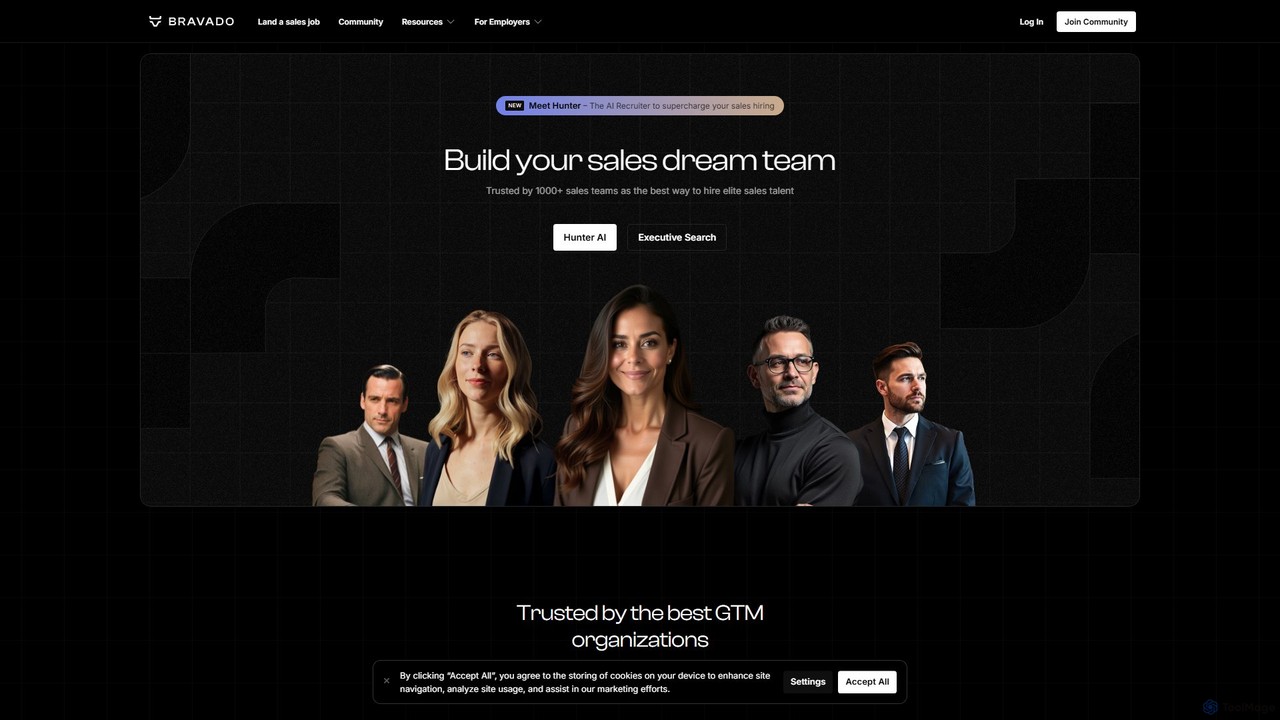
Bravado is an AI-powered professional network and recruitment platform specifically for B2B sales professionals. It connects over 500,000 …

8.1K

About Career Development

AI Career Development tools are specialized platforms that use artificial intelligence to provide personalized guidance for professional growth. They analyze your skills, experience, and career goals to offer data-driven recommendations, moving beyond simple professional networking. These tools help you optimize resumes, prepare for interviews, identify skill gaps, and map out potential career paths. By leveraging AI, they provide actionable insights to help you navigate the job market more effectively and achieve your long-term career objectives.

Core Features

  • AI Resume Builder: Automatically creates and optimizes resumes to pass through Applicant Tracking Systems (ATS) and match specific job descriptions.
  • Skill Gap Analysis: Compares your current skillset against target roles and suggests relevant courses or experiences to bridge the gap.
  • Interview Coaching: Simulates job interviews, providing real-time feedback on your answers, speech clarity, and confidence.
  • Personalized Career Pathing: Recommends next-step career moves, promotions, or industry changes based on your profile and market data.
  • Intelligent Job Matching: Finds and suggests job opportunities with a high degree of compatibility based on skills, experience, and cultural fit.

Use Cases

These tools are valuable for job seekers at all levels, from recent graduates building their first resume to mid-career professionals looking to switch industries. They are also used by individuals seeking internal promotions or freelancers aiming to align their skills with market demand. Human resources departments may also deploy them to support employee development.

How to Choose

When selecting a tool, consider the specific features you need, such as resume building versus interview coaching. Evaluate the quality of its AI-driven feedback and recommendations. Check for integrations with professional networks like LinkedIn, and compare pricing models, from free basic versions to comprehensive subscription plans for advanced features.

Career DevelopmentUse Cases

1

Optimize a Resume for a Specific Job Application

A marketing manager wants to apply for a Senior Product Marketing role. They upload their existing resume and the job description to an AI career tool. The tool analyzes both documents, identifies missing keywords, and suggests rephrasing bullet points to better highlight relevant achievements. It also ensures the formatting is ATS-friendly, increasing the chances of the resume being seen by a human recruiter. This process takes minutes instead of hours of manual tailoring.

2

Prepare for a Behavioral Interview

A software developer is preparing for an interview at a major tech company. They use an AI interview coach to practice answering common behavioral questions like "Tell me about a time you handled a conflict." The AI records their response, then provides instant feedback on their use of the STAR method, speaking pace, filler words, and tone of voice. This allows them to refine their answers and build confidence before the actual interview.

3

Plan a Career Transition

An accountant with five years of experience is interested in moving into a Financial Data Analyst role. They use an AI career pathing tool to assess their current skills. The AI identifies a skill gap in Python and SQL. It then recommends specific online courses and certifications to acquire these skills and suggests entry-level data analysis projects they could do to build a portfolio. The tool creates a step-by-step, 6-month plan for their transition.

4

Enhance a LinkedIn Profile for Recruiters

A freelance graphic designer wants to attract more inbound project leads. They connect their LinkedIn profile to an AI career development platform. The tool suggests optimizing their headline to be more specific (e.g., "UI/UX Designer for SaaS & Fintech Startups"). It also recommends adding specific skills that are currently in high demand and provides templates for writing a more compelling "About" section that showcases their unique value proposition, making their profile more visible in recruiter searches.

5

Identify Skills for Internal Promotion

An employee at a large corporation wants to be considered for a team lead position. They use their company's internal AI career portal. The tool compares their performance reviews and skill profile against the job description for the team lead role. It highlights that they need to develop their "Project Management" and "Conflict Resolution" competencies. The platform then suggests internal mentorship programs and training workshops to help them prepare for the promotion.

6

Discover Unconventional Job Opportunities

A biologist with a PhD feels stuck in academia and wants to explore industry roles. They input their research experience, lab skills, and publications into an AI job matching tool. Instead of just showing "Biologist" jobs, the AI's semantic analysis identifies transferable skills. It suggests unconventional but highly relevant roles they hadn't considered, such as "Scientific Consultant" at a venture capital firm or "Data Scientist" at a biotech startup, opening up entirely new career avenues.

Career DevelopmentFrequently Asked Questions