Specialized Best in category 1 results Emergency Services AI Tool

Popular AI tools in the Emergency Services field of Specialized include FirePrep.chat, etc., helping you quickly improve efficiency.

FirePrep.chat

FirePrep.chat

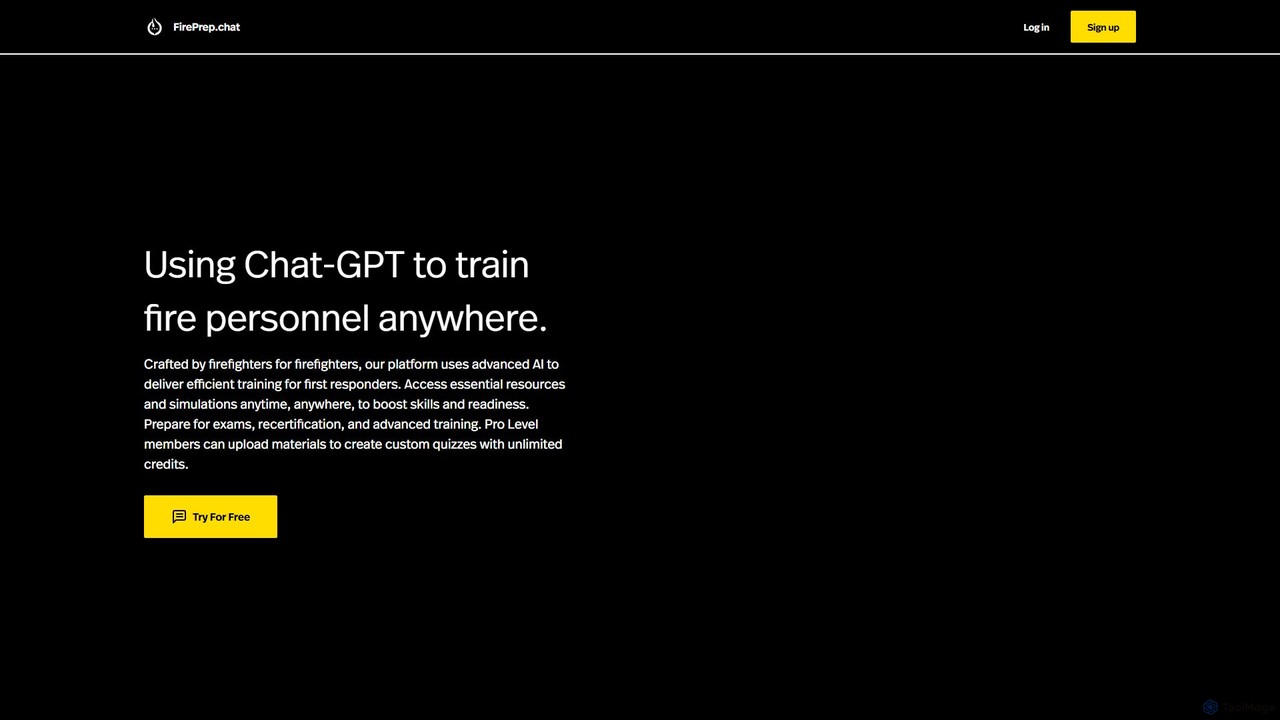
An AI-powered training platform designed by firefighters for firefighters. It offers advanced tools like a quizbot for exam …

2.7K

About Emergency Services

Emergency Services AI tools are advanced artificial intelligence applications designed to enhance the efficiency, speed, and effectiveness of critical incident response and public safety operations. These tools leverage machine learning, predictive analytics, and real-time data processing to support first responders, dispatchers, and emergency management personnel. Their primary value lies in optimizing resource allocation, improving situational awareness, and enabling faster, more informed decision-making in high-pressure environments, ultimately contributing to saving lives and mitigating damage.

Core Features

  • Predictive Incident Analytics: AI models analyze historical data and real-time feeds to forecast potential incidents, high-risk areas, or resource demands.
  • AI-Assisted Dispatch & Triage: Intelligent systems help prioritize emergency calls, recommend optimal response units, and provide guided instructions to callers.
  • Real-time Situational Awareness: AI processes data from cameras, drones, sensors, and social media to create a unified, dynamic view of an incident scene.
  • Intelligent Resource Allocation: Algorithms optimize the deployment of personnel, vehicles, and equipment based on incident severity, location, and availability.
  • Automated Communication & Alerts: AI facilitates rapid, targeted communication with responders and the public, disseminating critical information efficiently.

Applicable Scenarios

These tools are vital in various high-stakes situations, from urban crime prevention to large-scale disaster management. They assist police departments in proactive patrolling, fire services in optimizing response routes, and medical emergency teams in rapid patient assessment and transport coordination. During natural disasters, AI can model impact zones and guide evacuation efforts, ensuring resources reach those most in need.

How to Choose

Selecting the right Emergency Services AI tool requires evaluating several factors. Prioritize solutions with robust real-time data integration capabilities, ensuring compatibility with existing sensor networks and communication systems. Assess the accuracy and reliability of predictive models, as well as the system's ability to provide actionable insights. Consider scalability to handle varying incident volumes and the level of security and compliance with public safety regulations. User-friendliness for first responders and seamless integration with existing workflows are also crucial for effective adoption.

Emergency ServicesUse Cases

1

Predictive Policing & Patrol Optimization

Police departments utilize AI to analyze historical crime data, weather patterns, and social events to predict potential crime hotspots. This allows commanders to strategically deploy patrol units to high-risk areas before incidents occur, enhancing proactive policing efforts and potentially reducing crime rates. The AI provides data-driven insights, optimizing resource allocation and improving response times for emerging situations.

2

AI-Enhanced Emergency Call Triage

Emergency dispatch centers deploy AI systems to assist human operators in rapidly triaging incoming 911/112 calls. The AI analyzes caller's speech and reported symptoms or situation, cross-referencing with medical protocols or incident databases. It helps prioritize calls, suggests appropriate questions for the dispatcher, and recommends the most suitable emergency services (e.g., ambulance, fire, police), significantly reducing response delays.

3

Disaster Response Logistics & Resource Management

During natural disasters like floods or earthquakes, emergency management agencies use AI to optimize the distribution of critical resources. The AI processes real-time data on damaged infrastructure, affected populations, and available supplies. It then generates optimal routes for aid delivery, allocates personnel to areas of greatest need, and manages inventory, ensuring efficient and equitable resource deployment.

4

Real-time Fireground Situational Awareness

Firefighters on scene benefit from AI tools that integrate data from drone footage, thermal cameras, and building schematics. The AI processes this information to create a dynamic, 3D model of the fireground, identifying hot spots, structural weaknesses, and potential hazards. This provides incident commanders with unparalleled real-time situational awareness, enabling safer and more effective firefighting strategies.

5

Search and Rescue Mission Optimization

For missing person searches or rescue operations in challenging terrains, AI analyzes factors like last known location, weather conditions, terrain topology, and survivor behavior models. It then generates high-probability search zones, guiding ground teams and aerial assets (drones, helicopters) to focus their efforts where they are most likely to succeed. This significantly reduces search times and increases the chances of a successful rescue.

6

Medical Emergency Patient Prioritization in Mass Casualties

In scenarios with multiple casualties, such as accidents or terror attacks, AI tools assist medical personnel in rapid patient triage and prioritization. By quickly processing initial assessment data (e.g., vital signs, injury type), the AI can recommend which patients require immediate critical care, which can wait, and suggest optimal transport to hospitals based on capacity and specialization. This ensures the most efficient use of limited medical resources.

Emergency ServicesFrequently Asked Questions