Virtual Worlds Best in category 1 results Metaverse AI Tool

Popular AI tools in the Metaverse field of Virtual Worlds include Copper Key, etc., helping you quickly improve efficiency.

Copper Key

Copper Key

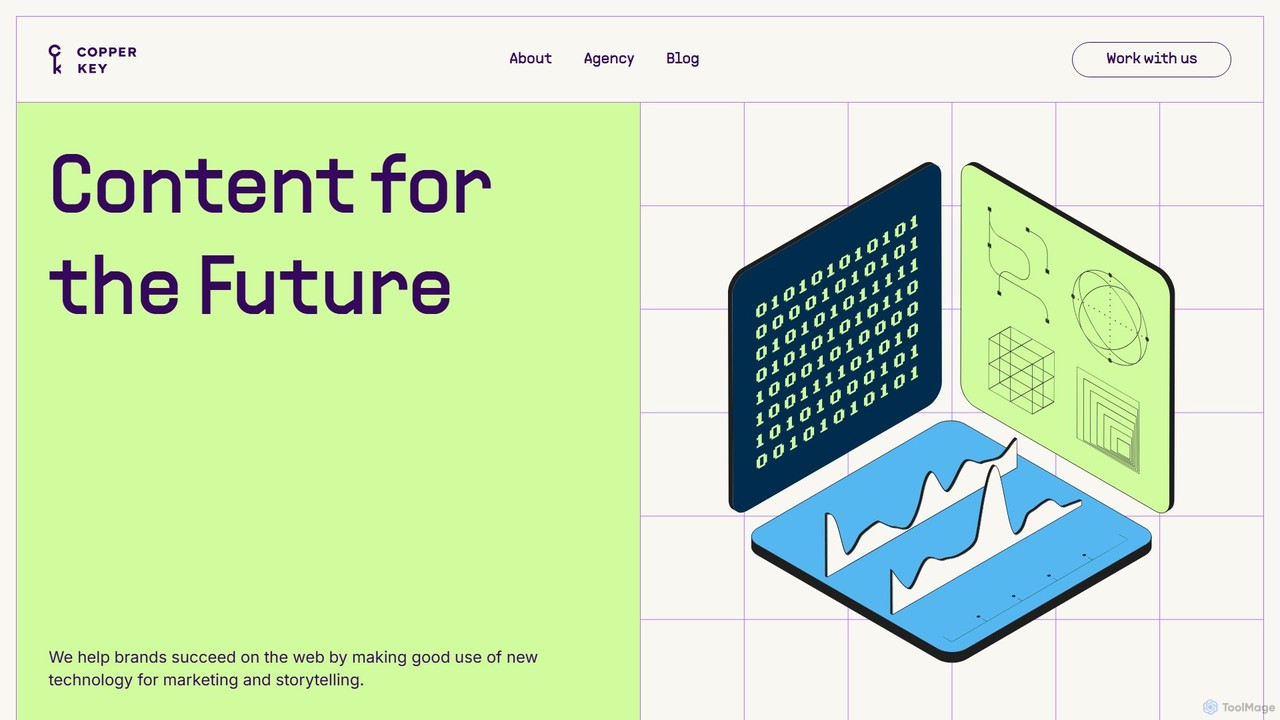
Copper Key is a specialized agency focused on AI-powered marketing and immersive experiences. An offshoot of Column Five, …

2.7K

About Metaverse

Metaverse tools are AI-powered platforms for creating, managing, and experiencing persistent, interconnected 3D virtual worlds. They leverage advanced AI, such as generative models and simulation algorithms, to build dynamic environments, intelligent characters, and scalable social interactions that go beyond traditional virtual spaces. These tools are essential for developing immersive applications in social networking, commerce, education, and entertainment. They represent a significant evolution from static virtual worlds by focusing on user co-creation and AI-driven dynamism.

Core Features

  • Generative World Building: Use text or image prompts to procedurally generate vast landscapes, complex architecture, and unique 3D assets.
  • Intelligent Avatars & NPCs: Create non-player characters (NPCs) and user avatars with autonomous behaviors, natural language understanding, and adaptive personalities.
  • Real-time Social Simulation: Model and manage complex social dynamics, crowd behaviors, and virtual economies at a massive scale.
  • Cross-Platform Interoperability: Design experiences that can be accessed and connected across different devices and platforms, from VR headsets to web browsers.
  • Personalized Content Delivery: AI algorithms dynamically adapt the virtual environment, quests, and interactions based on individual user behavior and preferences.

Use Cases

Metaverse tools are used by developers, brands, and communities to build next-generation digital experiences. Key applications include creating corporate digital twins for remote collaboration and training, developing immersive virtual storefronts for retail, and launching large-scale social events like concerts and conferences in a persistent virtual space.

How to Choose

When selecting a Metaverse tool, consider its scalability for handling concurrent users, the quality of its AI generation models, and the robustness of its developer SDKs and APIs for custom integrations. Also evaluate its support for interoperability standards, its monetization options (e.g., digital asset sales), and the technical expertise required to build and maintain a world.

MetaverseUse Cases

1

Develop a Virtual Corporate Campus

An HR or training department manager uses a Metaverse platform to build a persistent digital twin of their corporate headquarters. New employees can use VR headsets or their web browsers to attend onboarding sessions, participate in interactive training simulations, and socialize with colleagues in virtual meeting rooms. The platform's AI generates realistic NPC guides and populates common areas with dynamic crowds, making the virtual campus feel alive and reducing the costs associated with physical training events.

2

Create an Immersive E-commerce Showroom

A marketing manager for a fashion brand uses a Metaverse tool to design a virtual flagship store. Customers can create personalized avatars, browse 3D product models, and even 'try on' clothes virtually. The platform's AI provides personalized shopping assistants (NPCs) that offer style recommendations based on the customer's browsing history and avatar's appearance. This creates a highly engaging shopping experience that drives sales and strengthens brand loyalty beyond a standard e-commerce website.

3

Host a Large-Scale Virtual Concert

An event organizer uses a Metaverse platform to host a concert with a famous artist. The tool's AI-powered world generation capabilities create a unique and fantastical venue. During the event, AI manages crowd simulation to create a realistic concert atmosphere with tens of thousands of concurrent attendees. It also powers interactive elements, like NPCs that fans can interact with or dynamic stage effects that react to the music and crowd energy, offering an experience impossible to replicate in the physical world.

4

Generate Assets for a Metaverse Game

A solo game developer or a small studio building a game on a Metaverse platform uses AI generative tools to accelerate asset creation. Instead of manually modeling hundreds of items, they use text prompts like "glowing fantasy sword with ancient runes" or "cyberpunk-style hovercraft" to generate a variety of 3D models. This allows them to populate their game world with diverse and unique content quickly, significantly reducing development time and costs, and enabling them to focus on gameplay mechanics and storytelling.

5

Design an Educational Historical Simulation

An educator or curriculum designer uses a Metaverse tool to create an interactive simulation of ancient Rome. Students can walk through a procedurally generated Roman forum, interact with AI-powered NPCs dressed as historical figures who can answer questions in character, and participate in simulated events. The AI helps ensure historical accuracy in architecture and NPC knowledge, providing an engaging and immersive learning environment that makes history come alive for students in a way that textbooks cannot.

6

Create Personalized AI Companions

A user within a social Metaverse platform uses an integrated AI tool to design a unique AI companion. They define its personality traits, backstory, and appearance through natural language prompts. This AI companion then acts as a personal guide, a creative collaborator, or simply a friend within the virtual world. It can remember past conversations, learn the user's preferences, and proactively suggest activities, creating a deeply personal and evolving relationship that enhances the user's long-term engagement with the Metaverse.

MetaverseFrequently Asked Questions