Vr & Ar Best in category 1 results World Building AI Tool

Popular AI tools in the World Building field of Vr & Ar include Skybox AI, etc., helping you quickly improve efficiency.

Skybox AI

Skybox AI

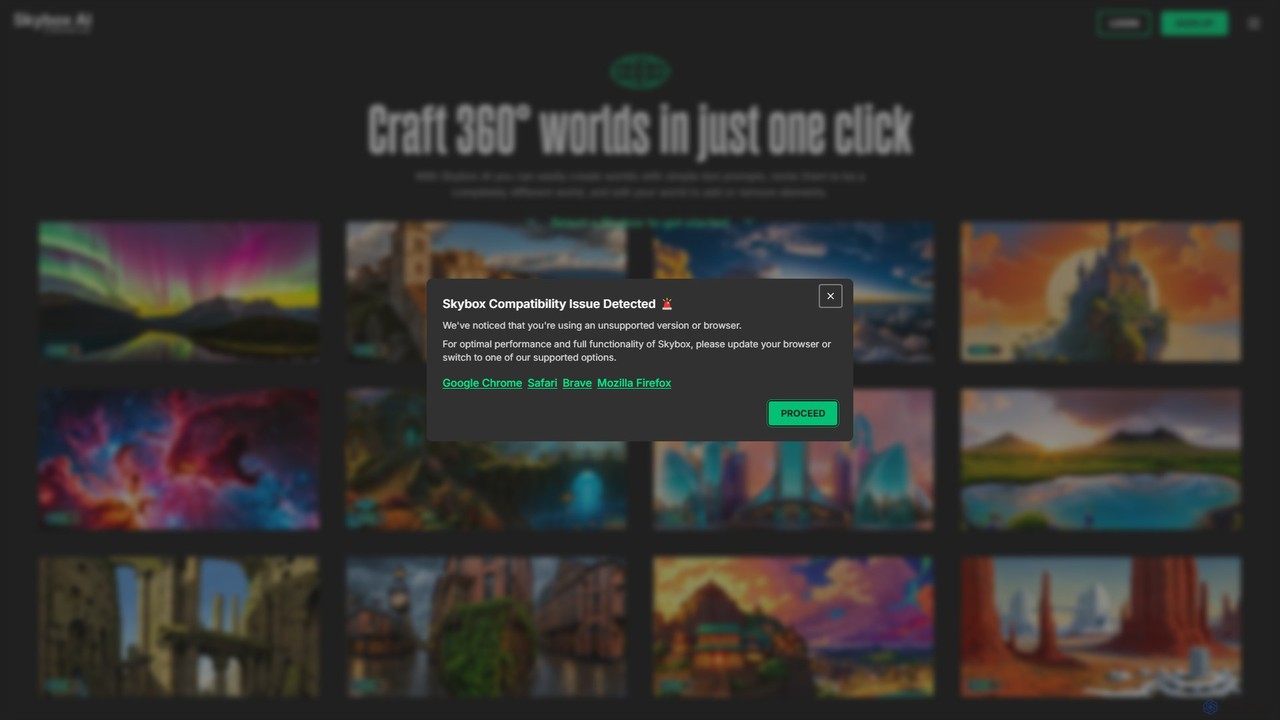
Skybox AI by Blockade Labs is a revolutionary tool that generates stunning 360° panoramic worlds from simple text …

34.0K

About World Building

World Building tools are specialized platforms designed to help creators construct, organize, and visualize fictional universes. They function as a central database for lore, characters, locations, and timelines, often using AI to assist with idea generation and content consistency. These tools are invaluable for maintaining coherence in complex narratives, from novels and games to the foundational design of immersive VR/AR experiences. The structured approach ensures that every element of the world remains interconnected and logical.

Core Features

  • Interactive Mapping: Create or generate dynamic maps and link specific locations to detailed lore articles.
  • Wiki-Style Knowledge Base: Build an interconnected encyclopedia of characters, species, items, and historical events.
  • Chronological Timelines: Visually track plot points, character arcs, and the history of your world.
  • Relationship & System Tracking: Map complex family trees, political hierarchies, or intricate magic systems.
  • AI-Powered Generation: Utilize AI to generate names, plot hooks, and descriptions to overcome creative blocks.

Use Cases

These tools are essential for novelists, tabletop RPG game masters, video game developers, and screenwriters. They provide a single source of truth for the creative team, ensuring consistency across the project. For VR and AR developers, a well-documented world serves as the detailed blueprint for building believable and engaging immersive environments.

How to Choose

When selecting a World Building tool, consider its mapping capabilities, collaboration features for team projects, and data export options (e.g., to game engines or document formats). Also evaluate the depth of AI integration for creative assistance and the platform's pricing model, such as subscription versus a one-time purchase.

World BuildingUse Cases

1

Designing a Fantasy Novel Series

An author writing an epic fantasy series uses a world building tool to manage hundreds of characters, multiple continents, and a timeline spanning millennia. They create an interactive map, linking cities to articles about their rulers and history. The tool's relationship tracker helps visualize complex political alliances and family trees, ensuring consistency across several books and preventing plot holes. AI features assist in generating unique names for remote villages or suggesting cultural traditions for a newly discovered civilization.

2

Creating a Tabletop RPG Campaign

A Game Master (GM) prepares a new Dungeons & Dragons campaign. They use a world building tool to generate a regional map, placing key cities, dungeons, and points of interest. Each location is linked to a wiki entry containing NPCs, quest hooks, and local rumors. The GM can keep private notes visible only to them, such as monster stats or secret plot twists. This centralized hub allows the GM to quickly access information during a game session, creating a more dynamic and immersive experience for the players.

3

Developing Lore for a Video Game

An indie game development team collaborates on the lore for a new open-world RPG. They use a cloud-based world building tool to create a shared universe bible. The narrative designer writes articles on the world's history and factions, the artist uploads concept art to character profiles, and the level designer references the interactive map to ensure geographical consistency. This single source of truth ensures the entire team is aligned, reducing miscommunication and streamlining the process of translating lore into in-game assets and quests.

4

Prototyping a VR Narrative Experience

A VR developer is designing an interactive narrative experience set in a futuristic city. Before building 3D assets, they use a world building tool to map out the city's districts, define the key factions, and write backstories for main characters. They create a timeline of events leading up to the player's story. This detailed 'world bible' serves as the foundational blueprint for the VR experience, ensuring that the environment, dialogue, and interactive elements are all rooted in a consistent and believable world, which significantly enhances player immersion.

5

Outlining a Screenplay or TV Series

A screenwriter's room for a new sci-fi TV series uses a world building tool as their central hub. They map out the galaxy, detailing planets, alien species, and political systems. The timeline feature is used to track character arcs across multiple seasons and ensure continuity. Writers can quickly reference the established canon, such as the rules of the magic system or the history of a galactic war, which prevents inconsistencies in the script and allows for deeper, more complex storytelling built on a solid foundation.

6

Managing a Personal Creative Project

A hobbyist worldbuilder creates a detailed universe purely for personal enjoyment and creative expression. They use a world building tool to document their ideas without the pressure of a commercial project. They might spend time designing unique flora and fauna, writing short stories set within their world, or generating maps of unexplored continents. The tool acts as a digital sketchbook and encyclopedia, allowing them to easily navigate and expand upon their creation over many years, preserving their creative legacy in an organized format.

World BuildingFrequently Asked Questions