ToolMage
Sign in

Best 1 Blogging Platforms for Website & Blog Builders

Popular Blogging Platforms in Website & Blog Builders include Feather, helping you work more efficiently.

Feather
Freemium

Feather

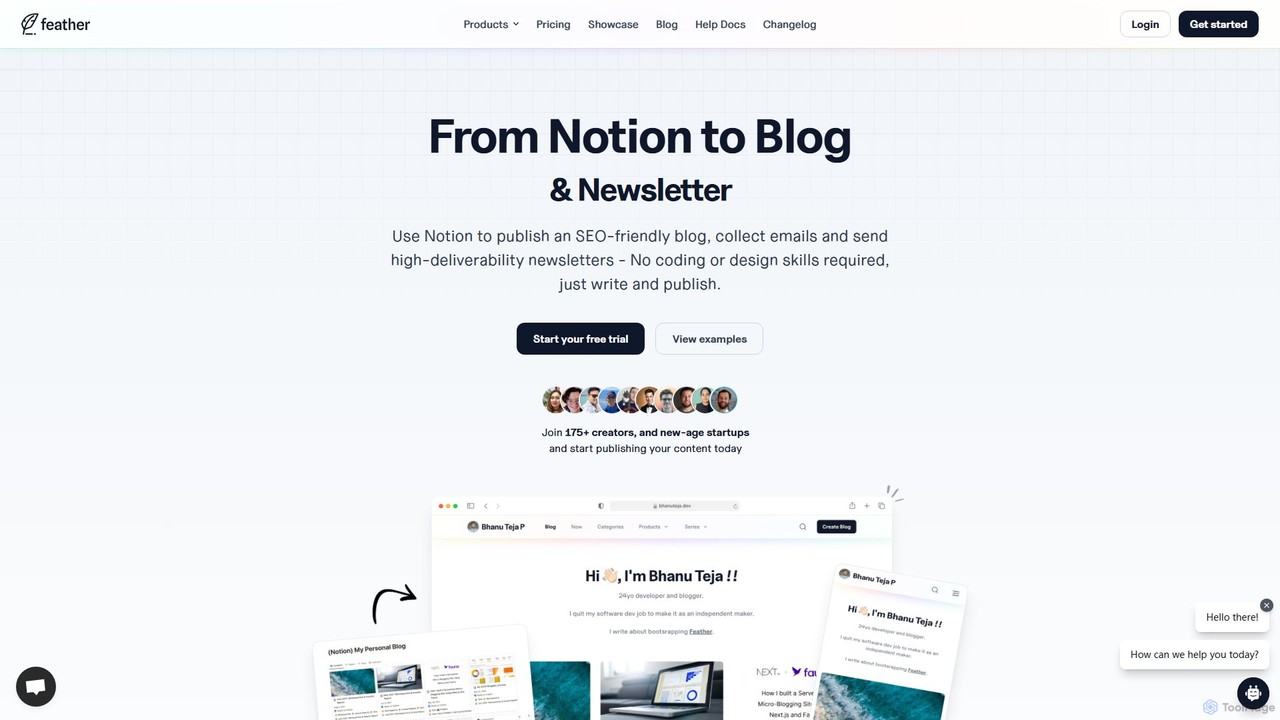
Feather is a no-code platform that transforms your Notion pages into a fully-featured, SEO-optimized blog and newsletter in minutes. It's designed for creators and startups to publish content seamlessly, manage subscribers, and analyze performance without any coding. Simply write in Notion, and Feather handles the rest, from hosting to SEO and email delivery.

Content Creation
Visits 43.8KFavorites 148Likes 149

About Blogging Platforms

Blogging Platforms are specialized content management systems (CMS) or online services designed for creating, publishing, and managing blogs. These platforms streamline the entire blogging workflow, from drafting and editing posts to scheduling publication and managing reader interactions. They empower individuals, content creators, and businesses to share ideas, build communities, and establish an online presence with a focus on dynamic, regularly updated content.

Core Features

  • Content Editor: Intuitive interfaces for writing, formatting, and embedding media into blog posts.
  • Post Scheduling: Ability to prepare content in advance and set specific dates and times for automatic publication.
  • Comment Management: Tools to moderate, approve, and respond to reader comments, fostering community engagement.
  • SEO Tools: Built-in features or integrations to optimize blog posts for search engines, including meta descriptions, tags, and sitemaps.
  • Theme & Customization: Options to personalize the blog's appearance with various templates, layouts, and branding elements.

Use Cases

Blogging platforms are ideal for content creators who need a dedicated space for their articles and stories, small businesses looking to drive traffic and engage customers through content marketing, and individuals wanting to share personal experiences or expertise. They provide a structured environment for consistent content delivery and audience interaction.

How to Choose

When selecting a blogging platform, consider your technical proficiency, desired level of customization, scalability needs, and budget. Evaluate features like ease of use, SEO capabilities, integration options with other tools (e.g., email marketing), and the availability of community support or hosting services. Ensure the platform aligns with your content strategy and growth plans.

Blogging Platforms use cases

1

Personal Brand Building

An independent expert or thought leader uses a blogging platform to regularly publish articles, insights, and opinions on their niche. This helps establish their authority, attract a loyal readership, and serve as a central hub for their professional content, enhancing their personal brand and credibility.

2

Content Marketing for Small Businesses

A small e-commerce business leverages a blogging platform to create engaging content like product reviews, how-to guides, and industry news. This strategy drives organic traffic to their website, educates potential customers, and nurtures leads, ultimately supporting sales and brand awareness.

3

Journalism & Niche Reporting

An independent journalist or a specialized media outlet utilizes a blogging platform to publish investigative reports, analyses, and breaking news within a specific domain. The platform's publishing tools and comment sections facilitate timely dissemination of information and reader discussion.

4

Educational Resource Creation

Educators or online course creators use blogging platforms to host supplementary learning materials, detailed tutorials, and study guides. This provides students with an accessible, organized resource that complements formal instruction and encourages self-paced learning.

5

Community & Hobby Sharing

Individuals passionate about a hobby, like gardening, cooking, or gaming, use a blogging platform to share their experiences, tips, and projects. This fosters a sense of community, allows for easy content updates, and connects them with like-minded enthusiasts globally.

6

Technical Documentation & Tutorials

Developers or tech enthusiasts employ blogging platforms to publish technical articles, code snippets, and step-by-step tutorials. The platform's structured content format and easy sharing capabilities make it an effective way to disseminate knowledge and assist others in the tech community.

Blogging Platforms FAQ

What are Blogging Platforms?

Blogging Platforms are specialized content management systems (CMS) designed specifically for creating, publishing, and managing blog content. They provide intuitive tools for writing, formatting, and organizing posts, along with features for reader interaction and content distribution. They differ from general website builders by prioritizing chronological content and ease of regular updates.

How do Blogging Platforms differ from general Website Builders?

While both can create websites, Blogging Platforms are optimized for dynamic, regularly updated content, focusing on features like post scheduling, comment management, and RSS feeds. General Website Builders offer broader design flexibility for static pages and diverse site structures, but may lack the specialized content management features essential for a thriving blog.

What key features should I look for in a Blogging Platform?

When choosing a blogging platform, prioritize a user-friendly content editor, robust SEO tools for visibility, flexible customization options for branding, and effective comment management features for community engagement. Also consider scalability, integration capabilities with other marketing tools, and the platform's hosting and support options.

Can I monetize my blog using a Blogging Platform?

Yes, most blogging platforms support various monetization strategies. Common methods include integrating advertising networks (like Google AdSense), selling digital products (e-books, courses), offering premium content subscriptions, or using affiliate marketing links. Many platforms provide built-in tools or easy integrations to facilitate these income streams.

Who typically uses Blogging Platforms?

Blogging platforms are used by a wide range of individuals and organizations. This includes independent content creators, journalists, small businesses for content marketing, educators for supplementary materials, and hobbyists sharing their passions. Anyone looking to regularly publish written content and engage with an audience online can benefit from a dedicated blogging platform.