ToolMage
Sign in

AI TOOL COMPARISON

Cloudgov vs Pump

What is the difference, and which fits your workflow? Compare features, usage, pricing models and traffic side by side.

Jump to key differences

Product overview

Cloudgov Product overview

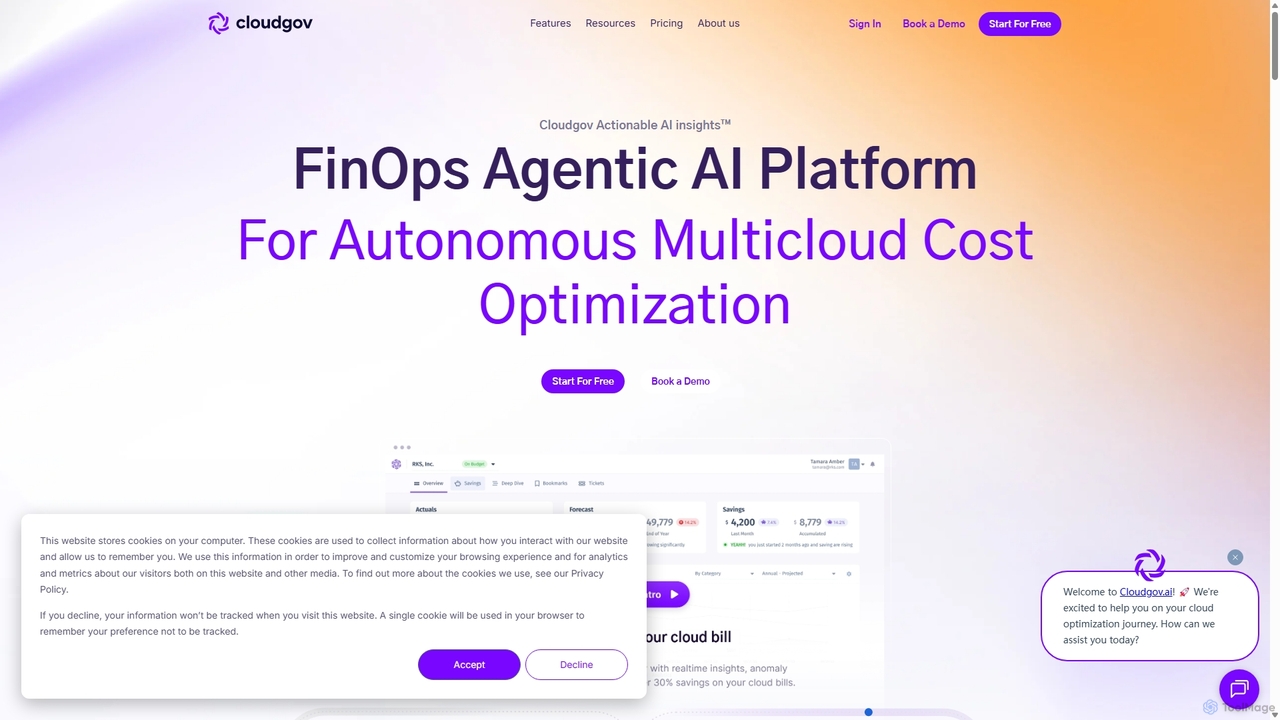
Cloudgov is an agentic AI-powered FinOps platform designed for autonomous multicloud cost optimization. It provides unified visibility across AWS, Azure, and GCP, delivering actionable insights, real-time anomaly detection, and automated remediation to help businesses reduce cloud spending by over 30% and streamline financial operations.

Preview

Pump Product overview

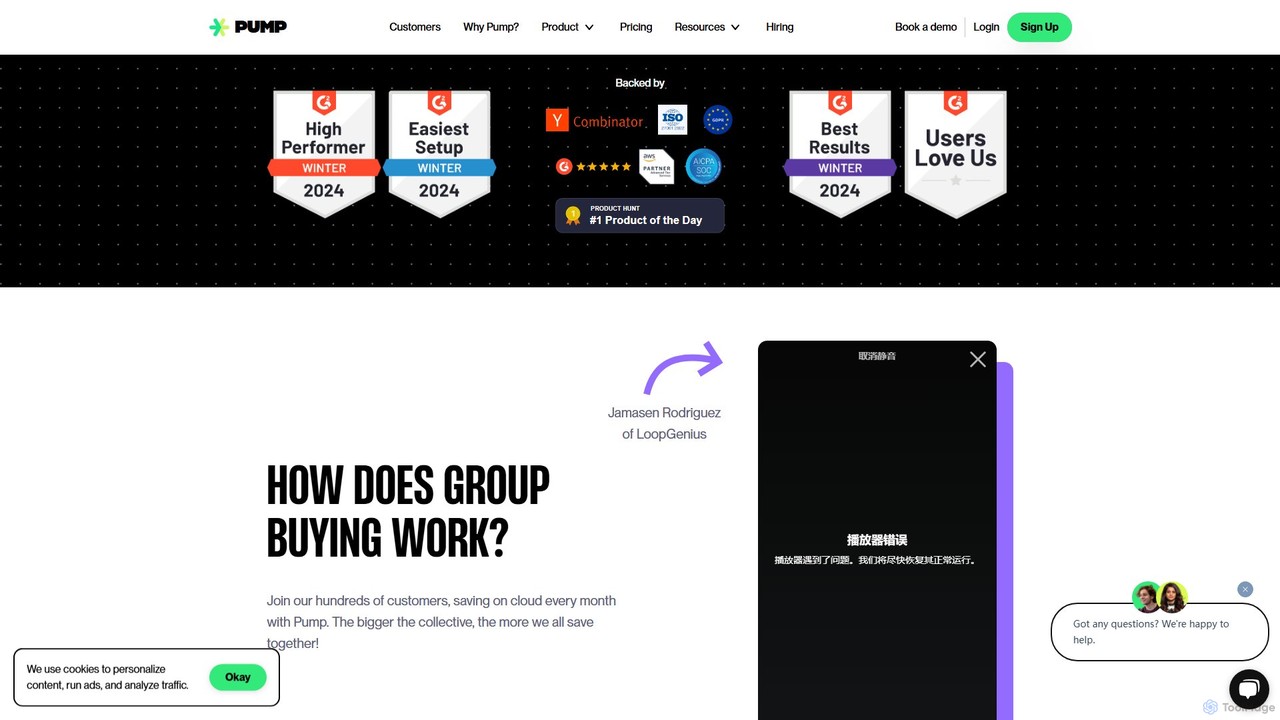
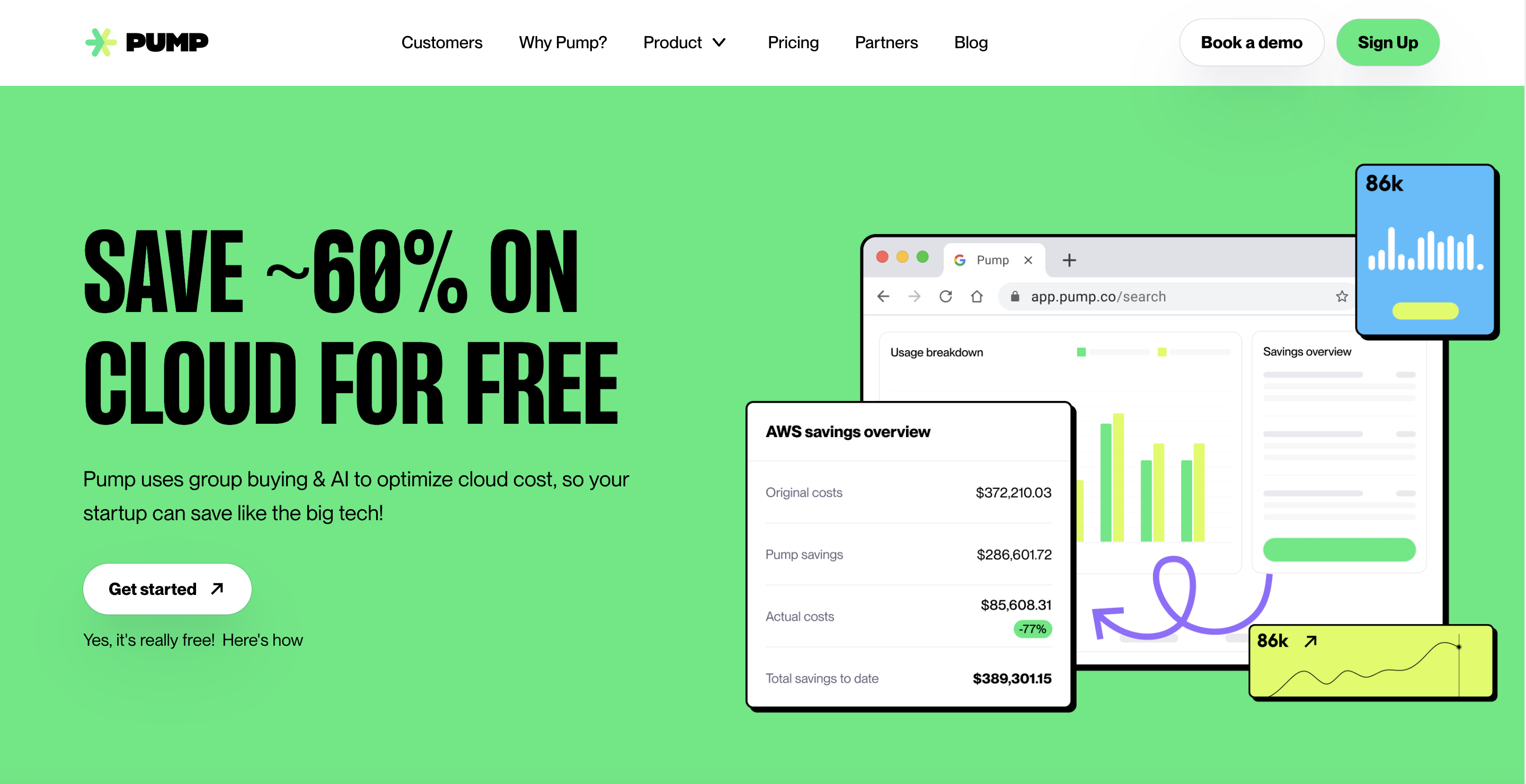
Pump is a free AI-powered tool that helps startups automatically save up to 60% on their cloud costs, primarily on AWS. It leverages group buying power to secure volume discounts, passing the savings directly to users without any fees or risks.

Preview

Quick facts

Compare product focus, pricing models and audiences. Highlighted rows indicate different listed information; unknown pricing does not mean free.

Cloudgov VS Pump — Quick facts
Quick factsCloudgovPump
Pricing modelFreemiumFree
Product typeWebWeb
Primary focusDevopsStartups
Audience and rolesChief Operations Officer · Chief Technology Officer · Cloud Cost Architect · DevOps Engineer · Finance Manager · FinOps Analyst · IT Manager · Product Manager · Software DeveloperNo data available
CategoriesDevops · Cloud Cost Management · AutomationStartups · Devops · Cloud Cost Management · Automation
AddedSep 5, 2025Aug 15, 2025
UpdatedNov 19, 2026Nov 19, 2026

Features, usage and use cases

Explore the listed product descriptions, features and workflows. Taxonomy labels alone are not feature evaluations.

Cloudgov

Cloudgov is the world's first Agentic AI Multicloud FinOps Platform, engineered to eliminate waste in cloud, SaaS, and IT spending. It empowers organizations of all sizes, from startups to large enterprises, to gain complete control over their cloud expenses across major providers like AWS, Azure, and Google Cloud. By leveraging advanced AI and machine learning, Cloudgov transforms complex billing data into clear, actionable insights, enabling engineering, DevOps, finance, and FinOps teams to make data-driven decisions that significantly reduce costs without compromising performance or security.

The platform is built on the principle of proactive, autonomous optimization. Instead of reacting to month-end invoices, Cloudgov's AI agents work continuously to monitor infrastructure, identify spending anomalies in near real-time, and provide prescriptive recommendations. This allows teams to address potential overruns before they escalate, fostering a culture of financial accountability and efficiency throughout the organization.

How to use Cloudgov

Getting started with Cloudgov is a straightforward process designed for rapid value realization:

  1. Sign Up and Connect: Begin by signing up for a free trial on the Cloudgov website. The onboarding process is quick, often taking less than 20 minutes to connect your cloud accounts (AWS, Azure, GCP) securely.
  2. Gain Unified Observability: Once connected, the platform immediately begins to ingest and analyze your cost and usage data. The central dashboard provides a comprehensive, 360-degree view of your entire multicloud environment, breaking down costs by provider, service, project, and region.
  3. Review AI-Driven Insights: Navigate to the 'Insights' section to see personalized, AI-driven recommendations. These include opportunities for resource right-sizing, eliminating idle or unattached resources, and optimizing commitments with Reserved Instances or Savings Plans.
  4. Configure Anomaly Detection: Set up automated alerts to be notified of any unusual spending spikes. Cloudgov's AI establishes a baseline of your normal spending patterns and flags significant deviations, sending alerts directly to your preferred channels like Slack or email.
  5. Automate Remediation: Take immediate action on detected anomalies and insights. Use the Infrastructure as Code (IaC) remediation feature to apply fixes automatically or create a Jira ticket directly from the dashboard, assigning it to the relevant team with all necessary context included.
  6. Implement Governance: Utilize unit economics and tagging features to align technology expenses with specific business values, projects, or teams. This granular tracking enhances financial accountability and improves budget forecasting.

Core Features of Cloudgov

  • Continuous Multicloud Observability: A unified dashboard to monitor, govern, and forecast cloud spending across AWS, Azure, and GCP, inspired by FinOps best practices.
  • AI-Driven Actionable Insights: Delivers personalized recommendations to right-size resources, eliminate waste, and capitalize on commitment-based discounts like Reserved Instances.
  • Real-Time Anomaly Detection: Proactively identifies unusual spending patterns and cost spikes, sending instant alerts via Slack, Jira, and other channels to prevent budget overruns.
  • IaC Remediation: Enables immediate, automated action on detected anomalies by providing code-based solutions, streamlining the process from detection to resolution.
  • Seamless Jira & Slack Integration: Transforms insights and anomalies into actionable Jira tickets or Slack notifications, fostering collaboration between finance and engineering teams within their existing workflows.
  • Unit Economics & Tagging: Provides tools to accurately allocate cloud costs to specific business units, products, or features, linking technical expenses directly to business value.

Use Cases for Cloudgov

Cloudgov is versatile and delivers value across various organizational contexts:

  • Large Enterprises: Helps manage complex, multi-provider cloud environments by providing a single source of truth for all cloud costs, simplifying tracking and identifying large-scale savings opportunities.
  • High-Growth Startups: Enables startups to maintain financial discipline as they scale their cloud infrastructure, preventing runaway costs and ensuring capital is used efficiently.
  • SaaS Companies: Streamlines FinOps operations, allowing teams to reduce storage and compute wastage significantly (customers report up to 50% reduction) and improve collaboration through integrated workflows.
  • DevOps & Engineering Teams: Empowers engineers with the data and tools to make cost-aware decisions, automating remediation and reducing the manual overhead of investigating cost issues.
  • FinOps Practitioners: Serves as a central command center for implementing FinOps strategies, from monitoring and forecasting to optimizing rates and usage across the entire organization.

Advantages of Cloudgov

Cloudgov stands out with its agentic AI approach, offering several key advantages:

  • Proactive & Autonomous: Unlike reactive tools, Cloudgov's AI agents work 24/7 to find and fix cost issues before they impact the bottom line.
  • Action-Oriented: The platform moves beyond simple reporting to provide actionable, code-ready solutions and seamless workflow integrations.
  • Rapid Time-to-Value: Customers often see tangible cost savings and actionable insights within the first few weeks of implementation.
  • Unified Platform: Eliminates the need to juggle multiple native cloud provider tools, reducing complexity and providing a holistic view.
  • Enterprise-Grade Security: Built with security at its core, following industry standards like SOC 2, ISO 27001, and GDPR to protect sensitive financial data.

Pricing and Plans

Cloudgov offers flexible pricing plans designed to meet the needs of different organizations, from startups to global enterprises. While specific pricing details are available on their pricing page, the model is built to scale with your needs. Potential users are encouraged to start with a comprehensive free trial to explore the full range of features and receive an assessment of their potential cloud savings before making any commitment.

Pump

Pump is a revolutionary cloud cost optimization platform designed specifically for startups and tech companies. It addresses the significant challenge of managing and reducing cloud infrastructure expenses, particularly on Amazon Web Services (AWS). By utilizing a unique combination of AI-driven optimization and a group buying model, Pump automates the process of securing the best possible rates for cloud services, delivering average savings of around 60% to its users. The platform is trusted by over 1,000 startups, including more than 50 YC companies, highlighting its effectiveness and reliability.

The core principle behind Pump is to make cloud savings accessible and effortless. Unlike traditional cost management tools that can be complex and expensive, Pump is completely free for the end-user. Its business model is based on sharing a small portion of the bulk discounts it negotiates with cloud providers, meaning its revenue comes from the providers, not its customers. This aligns Pump's success directly with the savings it generates for its users.

How to use Pump

Getting started with Pump is designed to be exceptionally simple and fast, typically taking less than five minutes. The process is entirely self-serve and requires no deep technical expertise.

  1. Sign Up: Create a free account on the Pump website. No credit card or long-term contracts are required.
  2. Connect Your AWS Account: Grant Pump secure, read-only access to your AWS billing data. This is a critical step for security; Pump only requests permissions to view billing information and enroll you in discount programs. It cannot access your code, user data, or manage your instances (start, stop, or change).
  3. Automated Optimization: Once connected, Pump's AI engine gets to work. It analyzes your cloud usage and automatically applies for the most advantageous savings plans, reserved instances, and other discounts available through its group buying pool.
  4. See Your Savings: Savings start appearing almost immediately, often from the very first day. You can track your cost reductions through the Pump dashboard and your regular AWS bill.

Core Features of Pump

  • AI-Powered Cost Optimization: The platform's AI continuously analyzes your usage patterns to identify and apply the most effective cost-saving strategies automatically.
  • Group Buying Power: By aggregating the cloud spend of thousands of startups, Pump negotiates volume discounts typically reserved for large enterprises and passes these savings on to you.
  • Automated Savings Management: Pump handles the complex management of AWS Savings Plans and Reserved Instances, eliminating the need for manual forecasting and commitment management.
  • Broad Service Coverage: The tool optimizes costs across more than 12 different AWS services, ensuring comprehensive savings.
  • Secure and Non-Intrusive: With read-only billing permissions, Pump operates without any risk to your application's infrastructure, code, or data.
  • Completely Free: There are no subscription fees, no percentage-of-savings charges, and no hidden costs for the user.
  • 24/7 Support & Bill Review: Users have access to round-the-clock support and monthly bill reviews to understand and maximize their savings.

Use Cases for Pump

Pump is ideal for a wide range of companies that rely on cloud infrastructure:

  • Early-Stage Startups: For startups with limited funding, reducing cloud burn rate is crucial. Pump can significantly extend their financial runway by cutting a major operational expense.
  • Growth-Stage Companies: As companies scale, their cloud costs can grow exponentially. Pump helps manage this growth by ensuring costs are continuously optimized without manual intervention.
  • FinOps Teams: Pump automates the tactical execution of cost-saving strategies, freeing up FinOps professionals to focus on strategic financial planning and governance.
  • DevOps Engineers: By offloading the responsibility of cost management, Pump allows DevOps teams to concentrate on their core tasks of building, deploying, and maintaining robust infrastructure.

Advantages of Pump

The primary advantage of Pump is its ability to deliver significant, risk-free savings with zero effort and zero cost. Unlike competitors who may charge 25% of the savings, Pump's free model is a no-brainer for any cost-conscious company. The onboarding is seamless, the value is delivered from day one, and the platform's security-first approach provides complete peace of mind. It democratizes access to enterprise-level cloud discounts for the startup ecosystem.

Pricing and Plans

Pump is 100% free, forever.

The platform operates on a unique business model where it does not charge its customers. Instead, Pump monetizes by receiving a small percentage of the massive volume discounts it secures from cloud providers across its entire user base. This means users get to keep all the savings shown on their bill, making it a truly win-win situation. There are no contracts to sign or credit cards to put on file.

Positioning

Their taxonomy shows where the products overlap and where each one has a more distinct focus. Unknown fields are shown explicitly and are never filled with assumptions.

Categories

Shared
DevopsCloud Cost ManagementAutomation
Only Cloudgov
No listed items
Only Pump
Startups

Tags

Shared
awsdevopsfinops
Only Cloudgov
AIanomaly detectionazurecloud cost optimizationCloud Governancecost managementgcpiacmulticloud
Only Pump
AI financeaws billingcloud costcloud managementcost optimizationfree toolsavingsstartup

Audience and roles

Shared
No listed items
Only Cloudgov
Chief Operations OfficerChief Technology OfficerCloud Cost ArchitectDevOps EngineerFinance ManagerFinOps AnalystIT ManagerProduct ManagerSoftware Developer
Only Pump
No listed items

Traffic comparison

Traffic is shown on the same scale so differences in market visibility are not visually understated.

How to interpret the traffic data

Both charts share the same months and vertical scale. Each tool identifies its latest reporting month; missing months are left blank, not counted as zero. Regional and source visit counts are estimates calculated from the reported shares.

Cloudgov monthly traffic:

Latest traffic · 2026-05

Monthly visits
2.5K
Avg. visit duration
0:44
Pages per visit
1.84
Bounce rate
39.04%
Data updated 2026-06-15

Monthly traffic trend

  • 2025-09: 1.1K
  • 2026-01: 4.3K
  • 2026-02: 2K
  • 2026-03: 4.6K
  • 2026-04: 3.5K
  • 2026-05: 2.5K

Top regions

Top 5 countries/regions
Country/regionPercentageEstimated visits
🇮🇳India53.85%1.4K
🇺🇸United States46.15%1.2K

Search keywords

ai finopsaws summit singapore 2026clouddepotscloudrift ai creditsfinops ai

Pump monthly traffic:

Latest traffic · 2026-05

Monthly visits
64.5K
Avg. visit duration
0:39
Pages per visit
2.09
Bounce rate
40.03%
Data updated 2026-06-15

Monthly traffic trend

  • 2025-09: 83.4K
  • 2026-01: 63.3K
  • 2026-02: 59.7K
  • 2026-03: 68.9K
  • 2026-04: 64.1K
  • 2026-05: 64.5K

Top regions

Top 5 countries/regions
Country/regionPercentageEstimated visits
🇺🇸United States47.45%30.6K
🇮🇳India15.85%10.2K
🇳🇬Nigeria14.42%9.3K
🇫🇷France12.62%8.1K
🇻🇳Vietnam9.66%6.2K

Traffic sources

Source typePercentageEstimated visits
Direct90.14%58.1K
Email6.1%3.9K
Referral3.76%2.4K

Search keywords

aws cli verison checkaws contact charges how to stopdirect connect cost awspumppump co

Community signals

Ratings, comments, favorites, and likes are community signals—not a substitute for product fit.

Cloudgov

Rating
No data available
Comments
0
Favorites
155
Likes
172

Pump

Rating
No data available
Comments
0
Favorites
145
Likes
146

Cloudgov vs Pump · Comparison FAQ

What do Cloudgov and Pump have in common?
Both tools are listed under Devops、Cloud Cost Management、Automation. These categories indicate overlapping use cases; compare their detailed descriptions for workflows, capabilities and limitations.
Are Cloudgov and Pump free?
Listed pricing models: Cloudgov — Freemium; Pump — Free. Missing pricing is not proof of a free plan, and freemium does not mean every feature is free. Check official sites for current plans, limits and trials.
How should I choose between Cloudgov and Pump?
The primary listed category is Devops for Cloudgov, and Startups for Pump. Compare features, steps and use cases, then verify pricing, data permissions and deployment needs. This page does not include hands-on testing and does not declare a winner from traffic or tags.

Sources and comparison methodology

This page is assembled from ToolMage product listings, taxonomy, traffic statistics and on-site user feedback. It is not a hands-on test or an independent review.
  • Feature and plan descriptions reflect information in the listings, not real-time guarantees. Verify pricing, quotas, availability and privacy terms on the official sites.
  • Traffic uses the reporting months shown. Missing statistics do not mean zero visits, and different periods do not establish growth or superiority. Regional and source visit counts are estimates based on shares.
  • Different tags indicate differences in the listings, not proof that the other product lacks a capability. Ratings, favorites and visits are not used to declare a winner.

Related comparisons