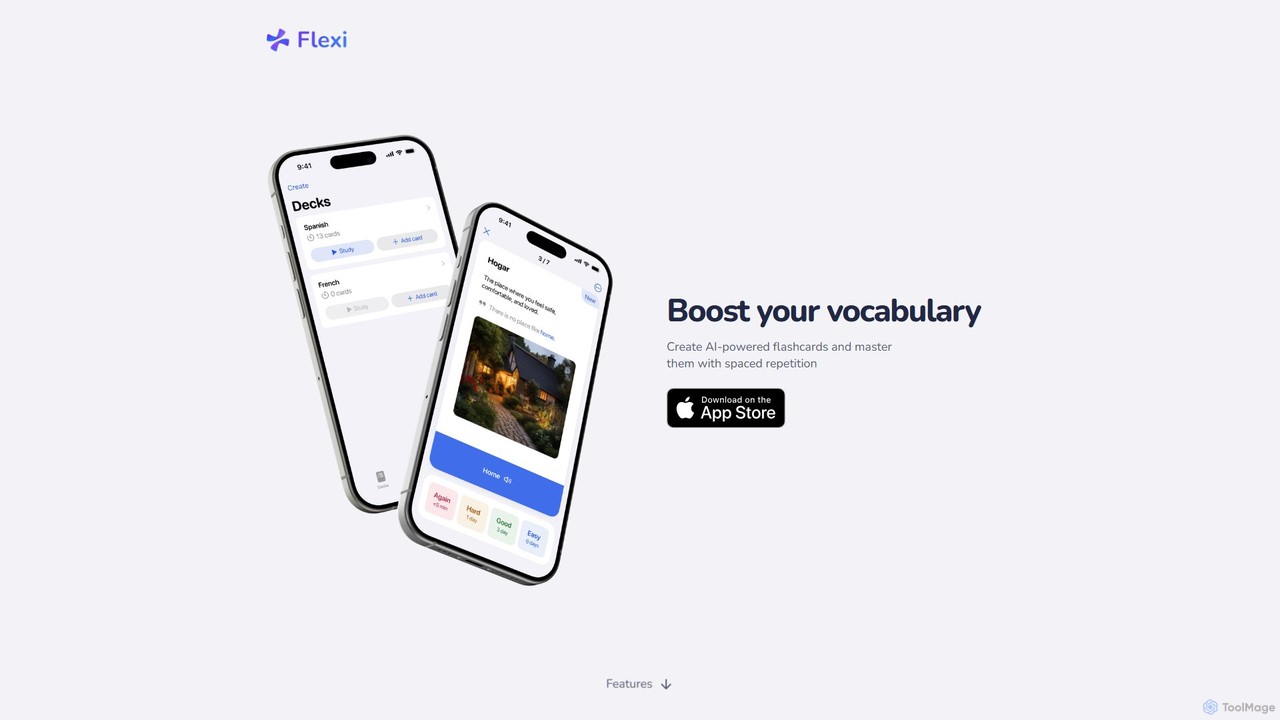
FlexiCards is an AI-powered language learning app that helps you build vocabulary with smart flashcards. It uses a spaced repetition system (SRS) to enhance long-term memory. Features include AI-generated translations, examples, definitions, text-to-speech, and the ability to import decks from Anki and Quizlet. Ideal for learners seeking an efficient and personalized study experience.
Quizlet is an AI-powered global learning platform that provides engaging study tools to help people practice and master whatever they're learning. It uses flashcards, games, and AI-driven features like an AI tutor (Q-Chat) and note-to-quiz converters (Magic Notes) to create personalized and effective learning paths for students and educators.
Product overview
FlexiCards Product overview
FlexiCards is an AI-powered language learning app that helps you build vocabulary with smart flashcards. It uses a spaced repetition system (SRS) to enhance long-term memory. Features include AI-generated translations, examples, definitions, text-to-speech, and the ability to import decks from Anki and Quizlet. Ideal for learners seeking an efficient and personalized study experience.
Quizlet Product overview
Quizlet is an AI-powered global learning platform that provides engaging study tools to help people practice and master whatever they're learning. It uses flashcards, games, and AI-driven features like an AI tutor (Q-Chat) and note-to-quiz converters (Magic Notes) to create personalized and effective learning paths for students and educators.
Detailed feature comparison
| Feature | FlexiCards | Quizlet |
|---|---|---|
| Primary category | Personalized Learning | Personalized Learning |
| Added | 2025-08-14 | 2025-08-12 |
| Pricing | Freemium | Freemium |
| Official website | flexicards.app | quizlet.com |
| Product type | App | Website |
| Performance data | ||
| User rating | Not verified | Not verified |
| Comments | 0 | 0 |
| Monthly visits | 2.9K | 69.4M |
| Monthly growth | -13.9% | -12.4% |
| Favorites | 88 | 90 |
| Details | View details | View details |
FlexiCards vs Quizlet monthly traffic
Compare FlexiCards and Quizlet by monthly reach, traffic trend, visit depth, top regions, and acquisition sources.
How to interpret the traffic data
In the FlexiCards vs Quizlet monthly traffic comparison, FlexiCards currently shows 2.9K visits and Quizlet shows 69.4M; Quizlet has about 23,588.1 times the visible traffic of FlexiCards, an absolute difference of about 69.4M visits. This reflects visible reach, not feature quality or paid users.
Both tools provide verified traffic details, so monthly trends, visit depth, regions, and acquisition sources can be compared on the same basis.
FlexiCards monthly traffic:
Latest traffic
Monthly traffic trend
- 2025/9: 445 Monthly visits
- 2026/1: 580 Monthly visits
- 2026/2: 1.2K Monthly visits
- 2026/3: 2.7K Monthly visits
- 2026/4: 3.4K Monthly visits
- 2026/5: 2.9K Monthly visits
Top regions
Top 5 countries/regions
| Country/region | Percentage | Traffic |
|---|---|---|
| 🇰🇪Kenya | 49.21% | 1.4K |
| 🇺🇸United States | 48.28% | 1.4K |
| 🇰🇼Kuwait | 2.51% | 74 |
Search keywords
Quizlet monthly traffic:
Latest traffic
Monthly traffic trend
- 2025/9: 88.6M Monthly visits
- 2026/1: 67.6M Monthly visits
- 2026/2: 80.9M Monthly visits
- 2026/3: 82.2M Monthly visits
- 2026/4: 79.3M Monthly visits
- 2026/5: 69.4M Monthly visits
Top regions
Top 5 countries/regions
| Country/region | Percentage | Traffic |
|---|---|---|
| 🇺🇸United States | 74.83% | 51.9M |
| 🇬🇧United Kingdom | 14.58% | 10.1M |
| 🇻🇳Vietnam | 4.55% | 3.2M |
| 🇷🇺Russia | 3.04% | 2.1M |
| 🇦🇺Australia | 3% | 2.1M |
Traffic sources
| Source type | Percentage | Traffic |
|---|---|---|
| Direct | 85.74% | 59.5M |
| Referral | 11.54% | 8M |
| 2.72% | 1.9M |
Search keywords
Usage comparison
Compare the core capabilities of FlexiCards and Quizlet
FlexiCards Core features
Quizlet Core features
Use cases
FlexiCards Use cases
Quizlet Use cases
FlexiCards vs Quizlet:In-depth comparison and selection guidance
First decide whether the products solve the same kind of need
This in-depth FlexiCards vs Quizlet comparison uses only the product records, taxonomy, audience, traffic, and community signals available on this page. FlexiCards is primarily listed under “Personalized Learning”, while Quizlet is primarily listed under “Personalized Learning”, so the first decision is whether your actual task matches their recorded scope.
The structured fields currently show these decision-relevant differences: Product type (FlexiCards: App; Quizlet: Website); Monthly visits (FlexiCards: 2.9K; Quizlet: 69.4M); Monthly growth (FlexiCards: -13.9%; Quizlet: -12.4%); Favorites (FlexiCards: 88; Quizlet: 90); Website (FlexiCards: flexicards.app; Quizlet: quizlet.com). These facts are more useful for selection than brand visibility alone.
What market visibility and monthly traffic mean
In the FlexiCards vs Quizlet monthly traffic comparison, FlexiCards currently shows 2.9K visits and Quizlet shows 69.4M; Quizlet has about 23,588.1 times the visible traffic of FlexiCards, an absolute difference of about 69.4M visits. This reflects visible reach, not feature quality or paid users.
Both tools provide verified traffic details, so monthly trends, visit depth, regions, and acquisition sources can be compared on the same basis.
If public market visibility is an important first-pass criterion, investigate Quizlet first. The final choice should still follow taxonomy, use case, and a real trial because higher traffic does not prove broader capabilities or better workflow fit.
Product positioning, use cases, and roles
FlexiCards and Quizlet currently overlap in shared categories: Personalized Learning and Study Tools; shared tags: education, flashcards, language learning, and spaced repetition. This can place both on the same shortlist, but it does not prove equal implementation, depth, or cost.
FlexiCards's unique categories/tags are Language Learning, AI, anki, mobile app, quizlet, srs, study tool, and vocabulary builder; Quizlet's are Learning Platform, AI tutor, exam preparation, memorization, student tools, and study aid. These unique fields are the strongest differentiators: validate the product whose recorded scope matches the task instead of following traffic alone.
What ratings, comments, and favorites can tell you
FlexiCards has no verified rating, 0 comments, 88 favorites, and 84 likes;Quizlet has no verified rating, 0 comments, 90 favorites, and 79 likes。
Neither product has enough rating or comment samples for a credible reputation ranking.
Selection guidance by actual need
When to evaluate FlexiCards first
Put FlexiCards on the priority trial list when the task aligns with “Personalized Learning” and especially Language Learning, AI, anki, mobile app, quizlet, and srs. This follows recorded positioning and does not imply unlisted capabilities are absent.
FlexiCards also currently records: pricing is freemium, product type is app, 2.9K verified monthly visits, no verified user rating. Verify any hard requirement around price, platform, or reach before trial, and do not let sparse review data substitute for testing.
When to evaluate Quizlet first
Put Quizlet on the priority trial list when the task aligns with “Personalized Learning” and especially Learning Platform, AI tutor, exam preparation, memorization, student tools, and study aid. This follows recorded positioning and does not imply unlisted capabilities are absent.
Quizlet also currently records: pricing is freemium, product type is website, 69.4M verified monthly visits, no verified user rating. Verify any hard requirement around price, platform, or reach before trial, and do not let sparse review data substitute for testing.
How to validate the recommendation before deciding
The available data describes positioning, public visibility, and community signals, but it cannot prove output quality, speed, integration effort, privacy, or long-term cost in your workflow. Before deciding, run the same representative tasks in FlexiCards and Quizlet, then record completion time, accuracy, manual corrections, and the real paid threshold. A like-for-like trial turns this comparison into a defensible adoption decision.
Comparison FAQ
How should I choose between FlexiCards and Quizlet?
Where does this comparison data come from?
What do unknown fields mean?
Related AI tools

ai4anki
ai4anki is an AI-powered tool that instantly generates high-quality language learning flashcards for Anki. It creates complete sentence decks with natural-sounding audio in your target language, saving you hours of manual creation time and allowing you to focus more on studying.
Language Learning
Braintain
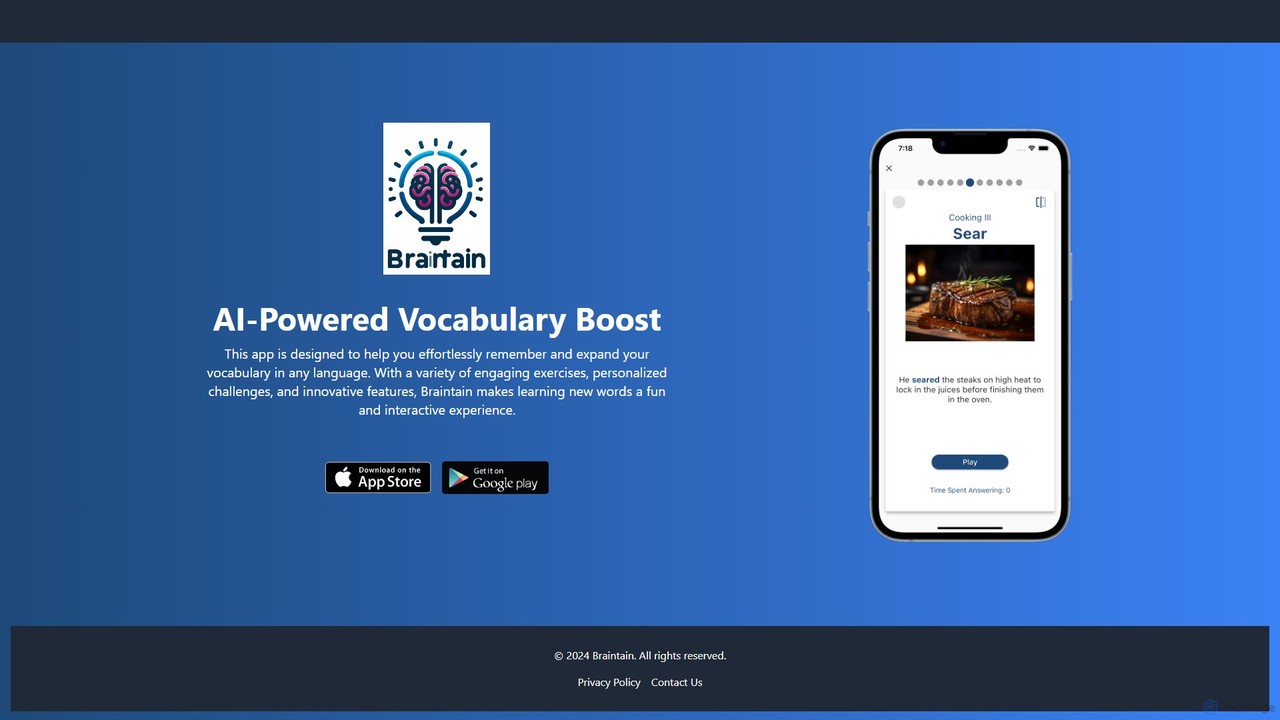
Braintain is an AI-powered language learning app designed to boost your vocabulary retention. Using personalized challenges, gamified exercises, and a smart spaced repetition system, it makes remembering new words in any language effortless and engaging.
Personalized Learning
WordLingo
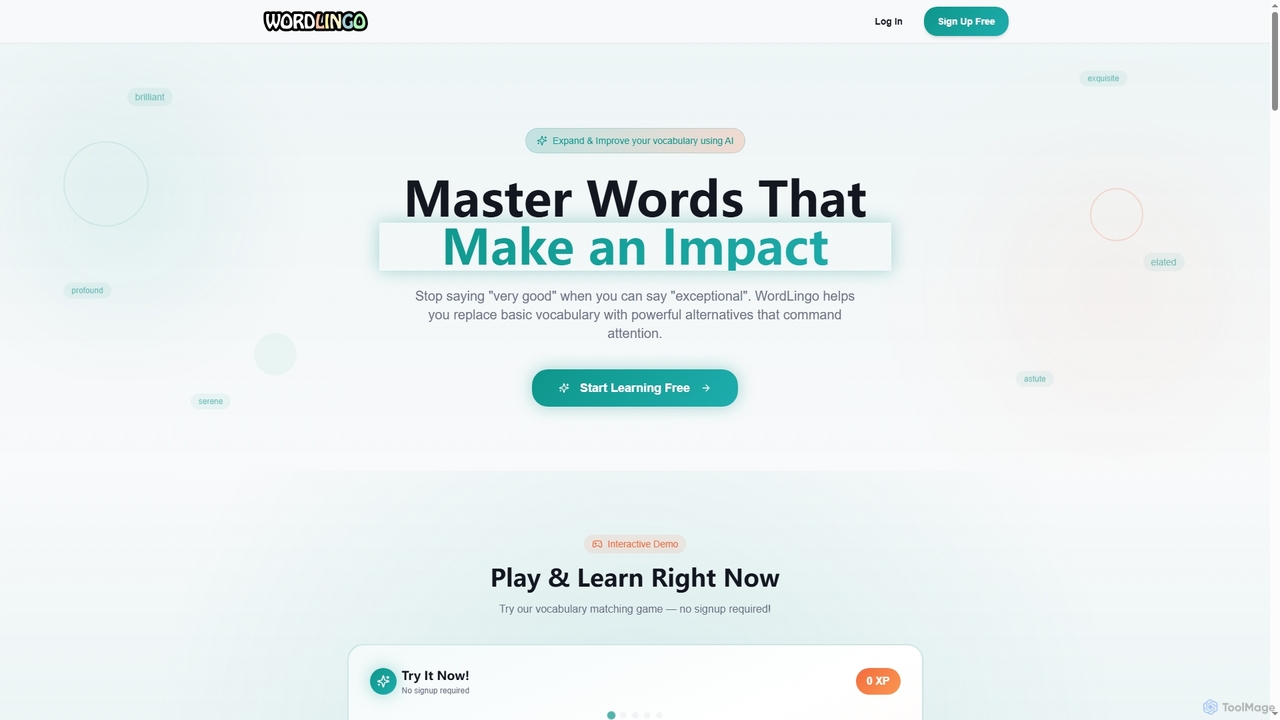
WordLingo is an AI-powered vocabulary builder designed to help users replace common words with powerful alternatives, enhancing communication impact and precision. It offers personalized learning paths, custom classrooms, interactive quizzes, and progress tracking, suitable for students, professionals, and lifelong learners.
Language Learning
Rootvocab
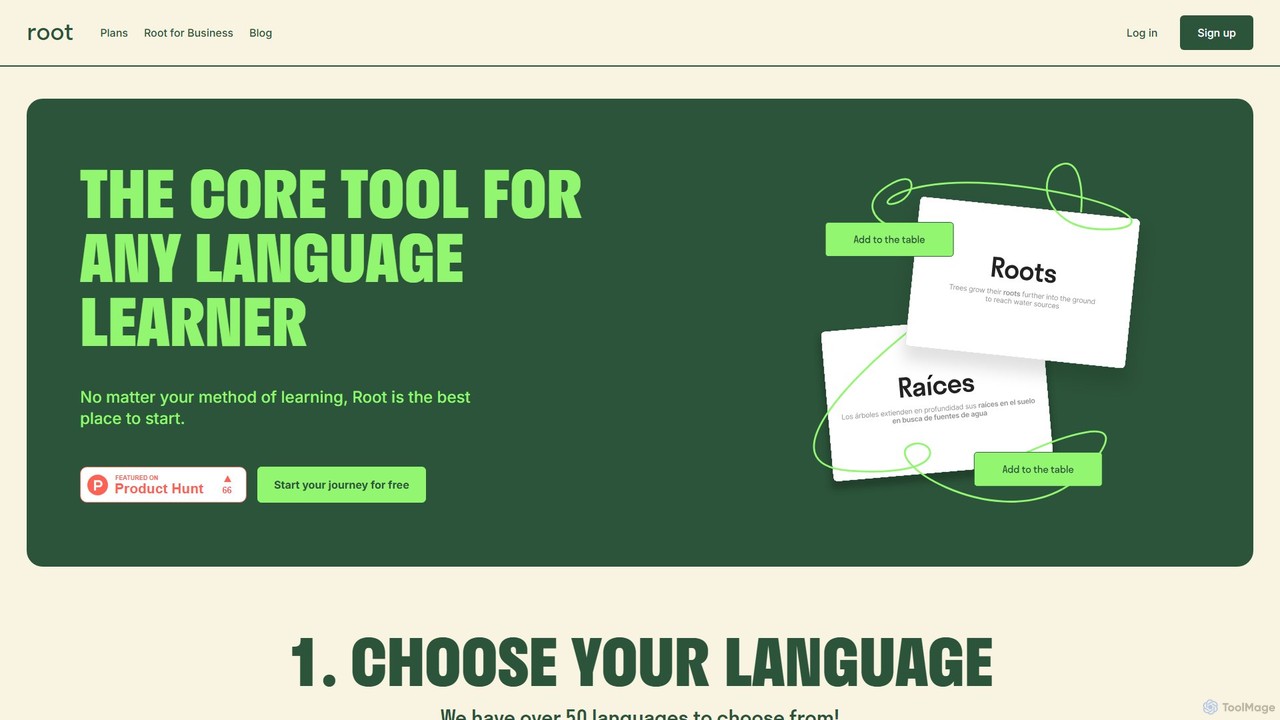
Rootvocab is a personal AI vocabulary assistant designed to make language learning effective and engaging. It supports over 50 languages, allowing users to build vocabulary with AI-generated examples, pronunciations, and translations. The platform features interactive flashcards, games, progress tracking, and advanced tools like AI essay correction, catering to individual learners, tutors, and language academies.
Language Learning
VocabGenerator
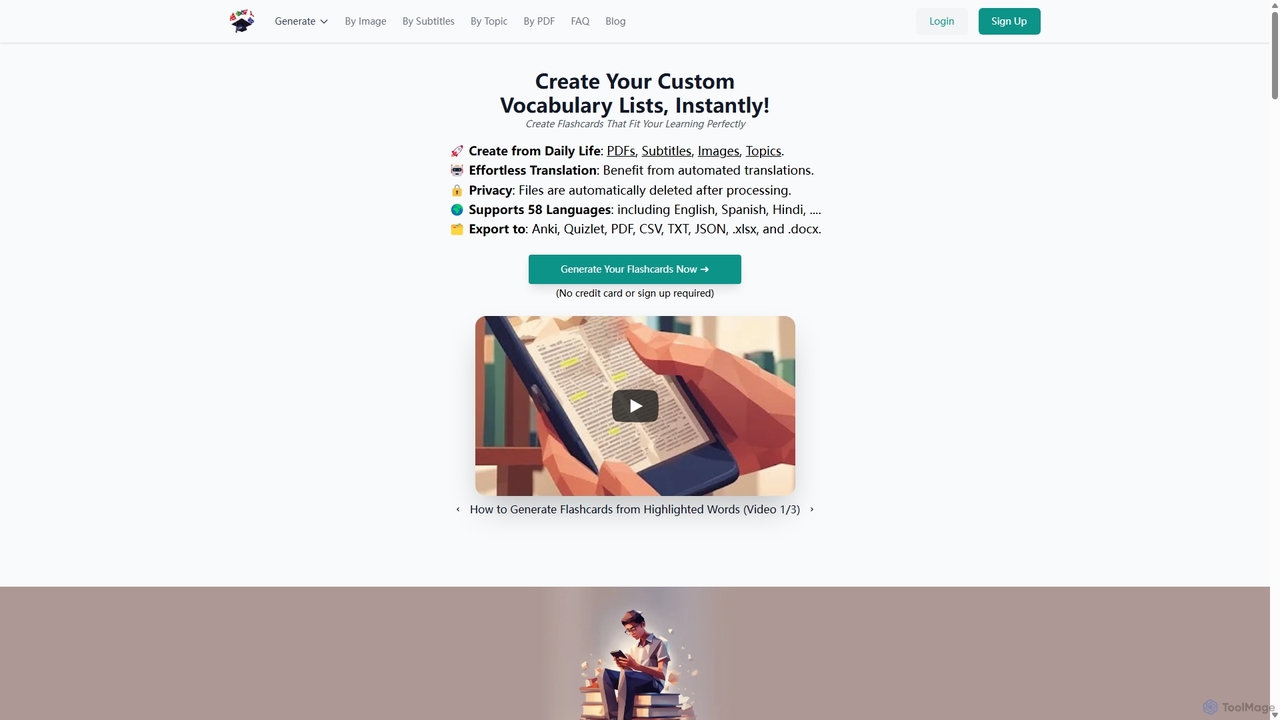
VocabGenerator is a powerful AI tool that instantly creates custom vocabulary flashcards. Generate translated flashcards from PDFs, images with highlighted text, subtitle screenshots, or any topic you choose. It supports a vast range of languages and allows for easy export to Anki or printable PDFs, making it an essential resource for language learners, students, and professionals.
Language Learning
StudyCards App
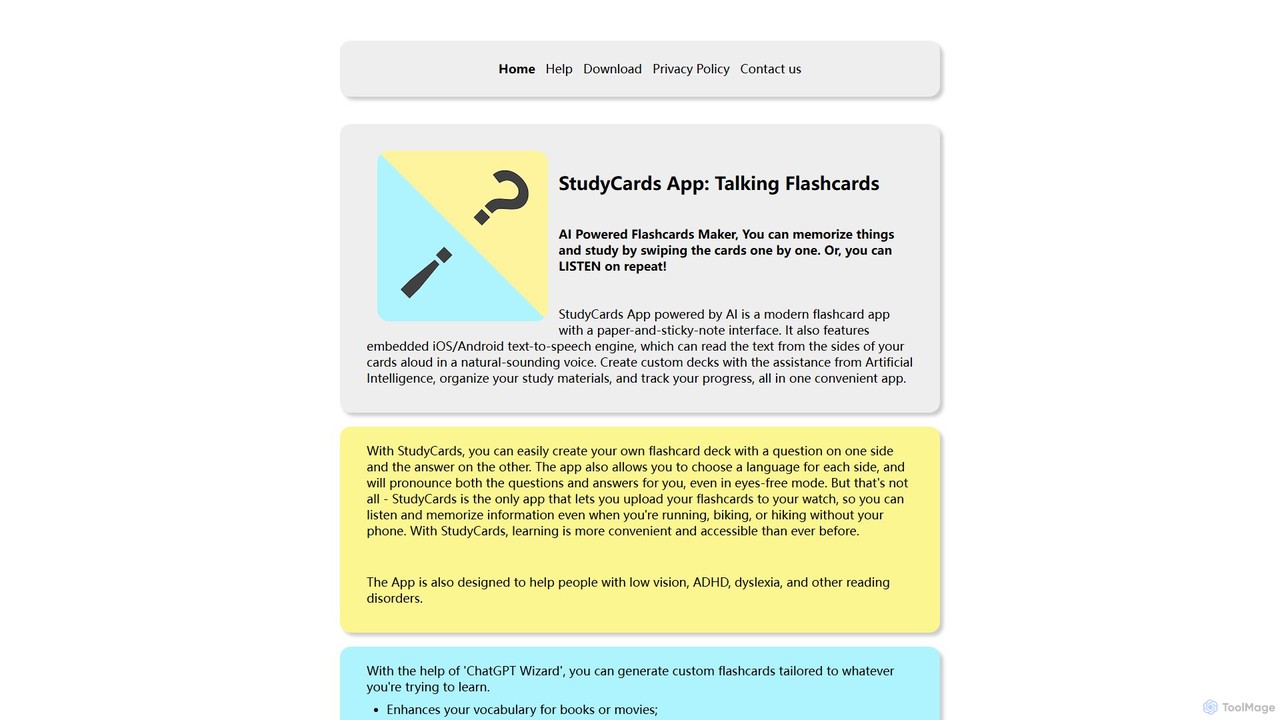
StudyCards App is an AI-powered flashcard maker for efficient learning on the go. It uses a 'ChatGPT Wizard' to instantly generate custom study decks on any topic. Key features include text-to-speech for auditory learning, smartwatch synchronization for phone-free studying, and CSV import. It's built with accessibility in mind, aiding users with dyslexia or ADHD. Available on iOS and Android, it makes memorization easy and accessible for everyone, from students to professionals.
Learning
FlashGenius
FlashGenius is an AI-powered tool designed to automatically generate high-quality flashcards for Anki. Simply input words or text, and the AI creates detailed cards with definitions, example sentences, and more, streamlining your study process and enhancing learning efficiency.
Learning
Quenti
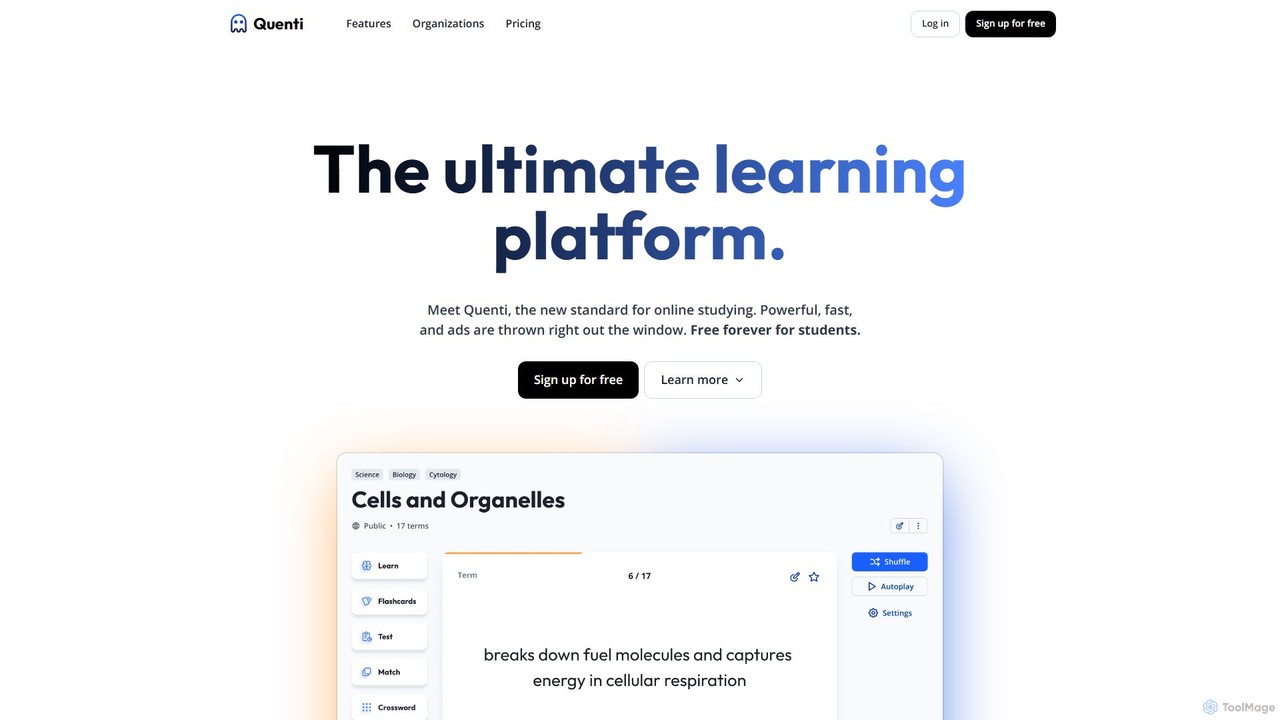
Quenti is an AI-powered learning platform designed as the ultimate study tool for students, teachers, and organizations. It offers an ad-free experience with features like flashcards, practice tests, and intelligent grading. Users can create study sets from scratch or seamlessly import them from Quizlet, making it a powerful and accessible alternative for mastering any subject.
Tutor
OmniSets
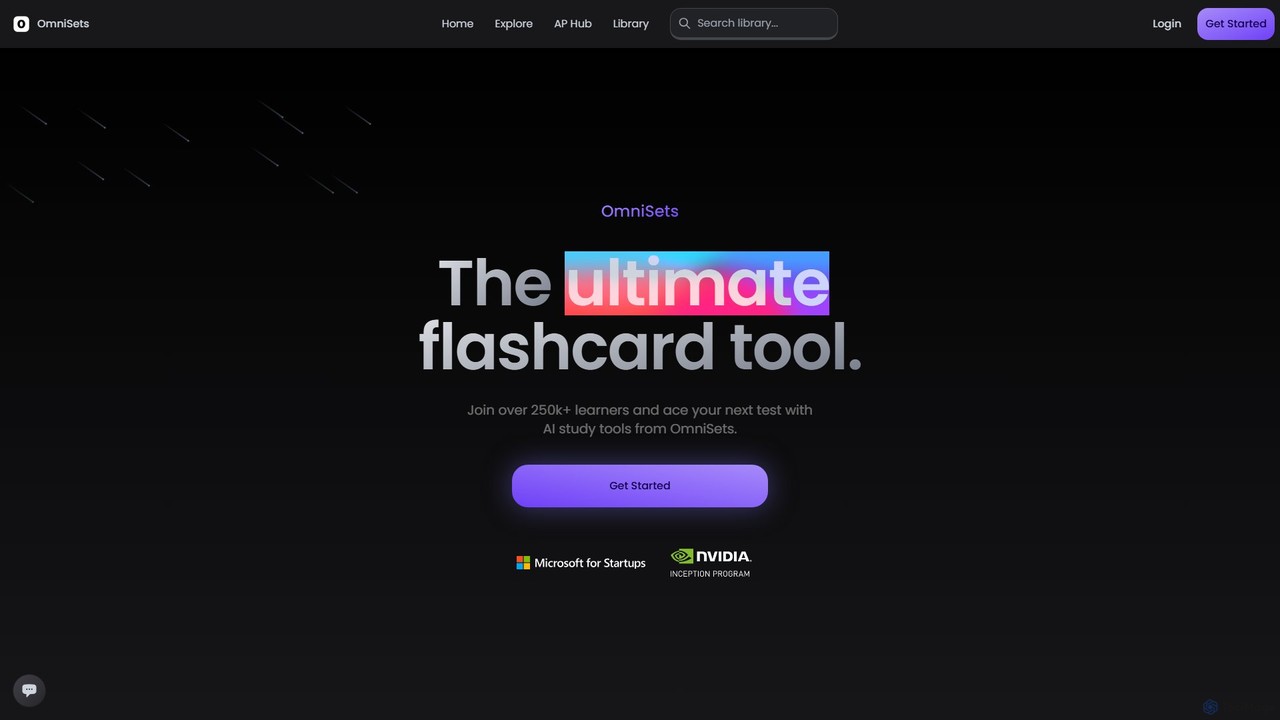
OmniSets is an AI-powered study platform that transforms your notes, documents, or any topic into dynamic flashcards and quizzes. It uses adaptive learning and spaced repetition to help over 250,000 learners master subjects, prepare for exams, and retain information efficiently.
Personalized Learning
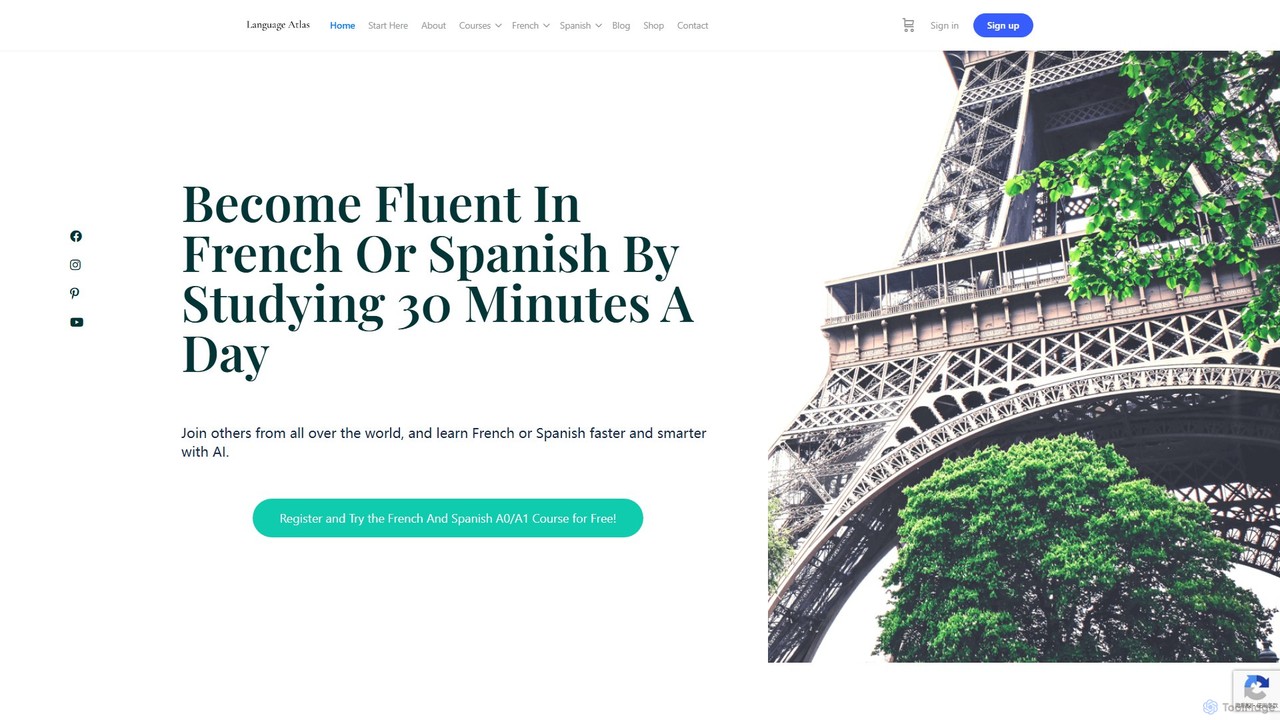
Language Atlas
Language Atlas is an AI-powered platform for learning French and Spanish, designed by a polyglot. It offers structured courses based on the CEFR framework (A0-C1), adaptive flashcards using spaced repetition, and a clear methodology to achieve fluency by studying 30 minutes a day.
Language Learning
LexiGym
LexiGym is a flexible, AI-enhanced language learning app that acts as your personal vocabulary coach. It allows you to create and import your own dictionaries using Google Sheets, breaking free from the rigid vocabulary lists of other apps. Practice with four distinct, adaptive training modes, including audio exercises, to master words from your own study materials at your own pace.
Language Learning
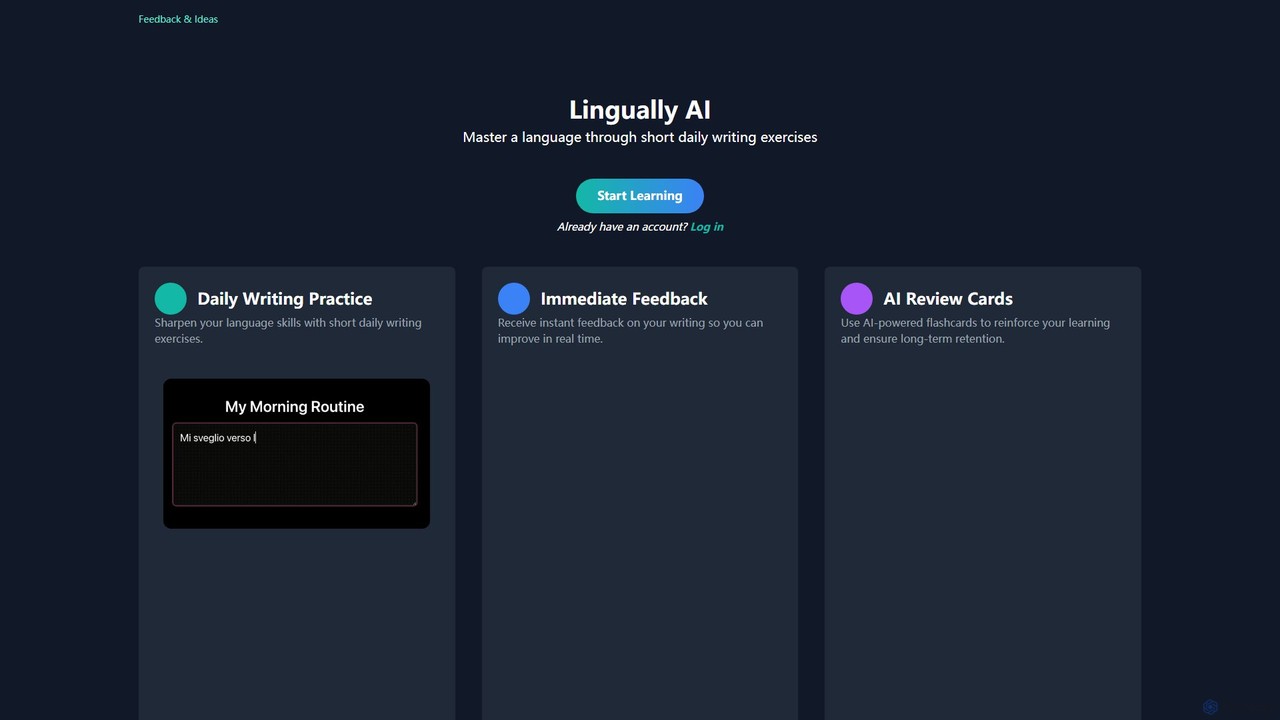
Lingually AI
Lingually AI is an AI-powered language learning platform that helps you master a new language through short, daily writing exercises. Get instant feedback on your grammar, syntax, and vocabulary, and reinforce your learning with personalized AI-powered flashcards. It's a practical and effective way to improve your writing skills and build confidence in a foreign language.
Personalized Learning
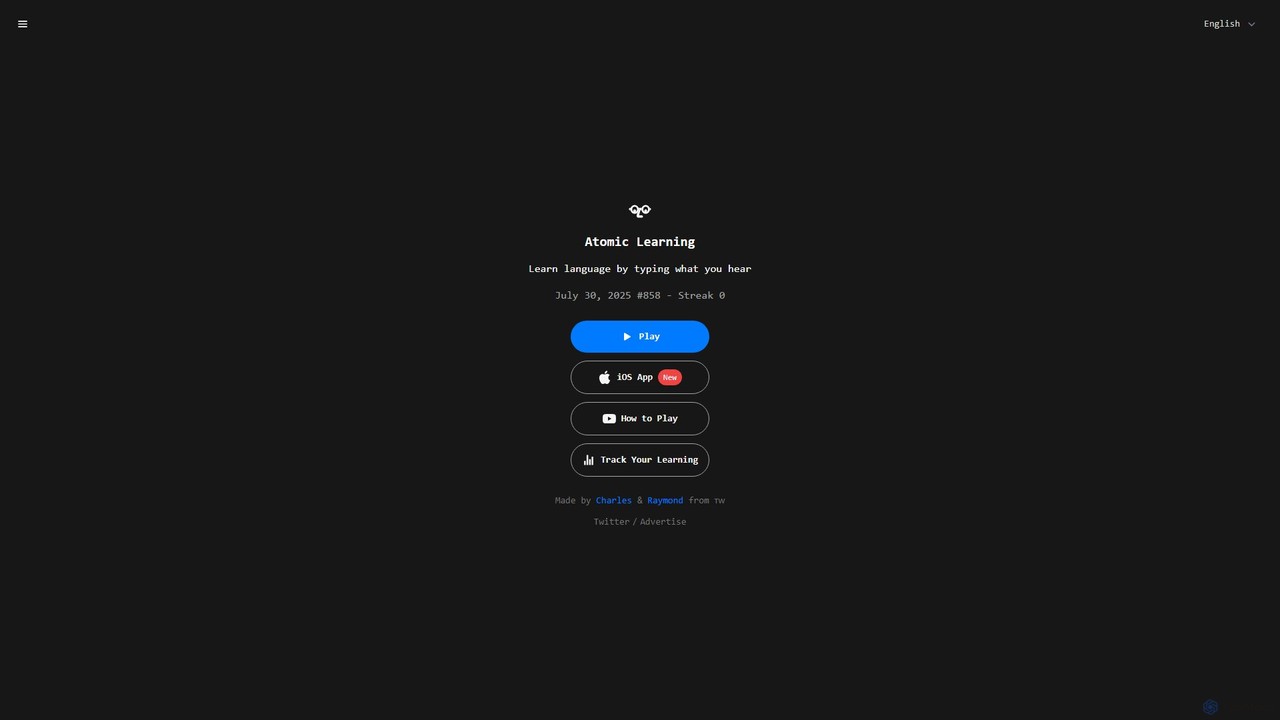
Atomic Learning
Atomic Learning is an AI-powered language learning platform that uses micro-learning and spaced repetition to make acquiring a new language easy and efficient. It breaks down complex concepts into small, manageable lessons, personalizing the learning path for each user to maximize retention and engagement through gamified challenges.
Personalized Learning
VocAdapt
VocAdapt is an AI-powered language learning platform that uses adaptive technology to create personalized vocabulary lessons. It helps users learn new words efficiently through spaced repetition, contextual examples, and interactive quizzes, tailoring the experience to individual learning paces and goals.
Personalized Learning
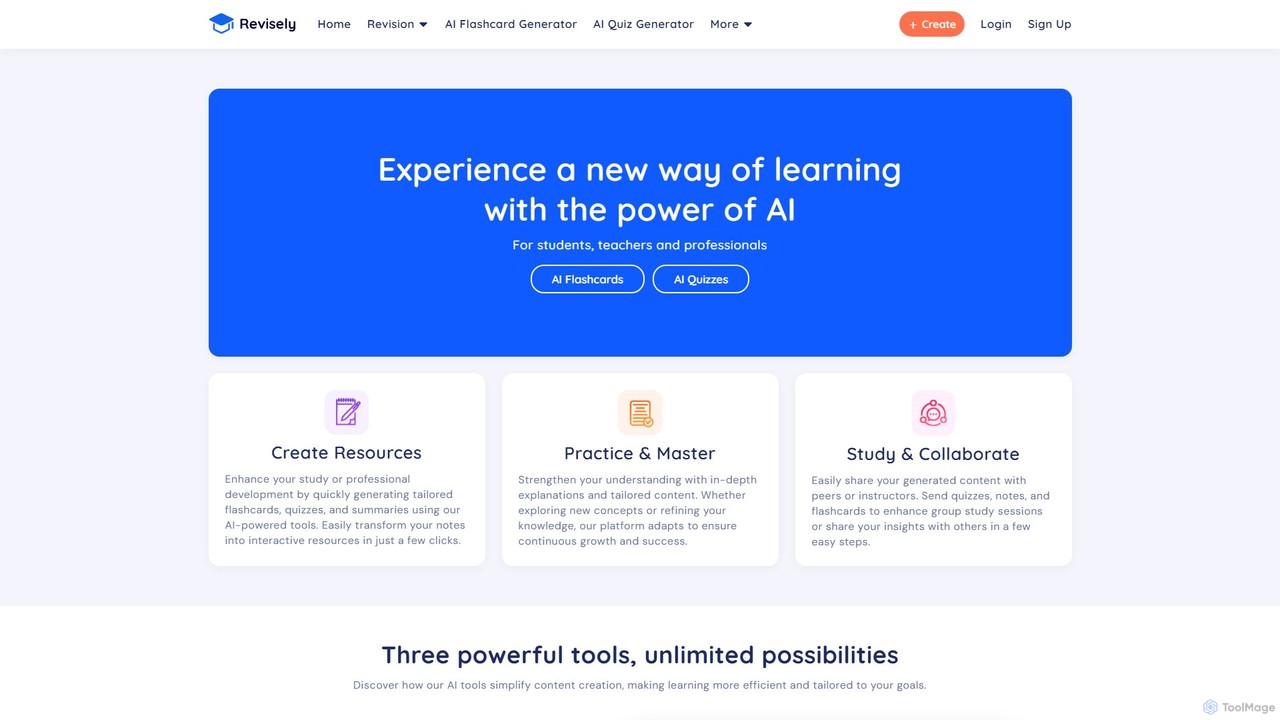
Revisely
Revisely is an AI-powered learning platform that helps students, teachers, and professionals create interactive study materials. Instantly generate flashcards, quizzes, and summaries from your notes, documents, or videos to accelerate learning and boost productivity.
Study Tools