Best of the Year 1 results Accounting AI Tools

Popular AI tools in the Accounting field include InvoiceClip, etc., helping you quickly improve efficiency.

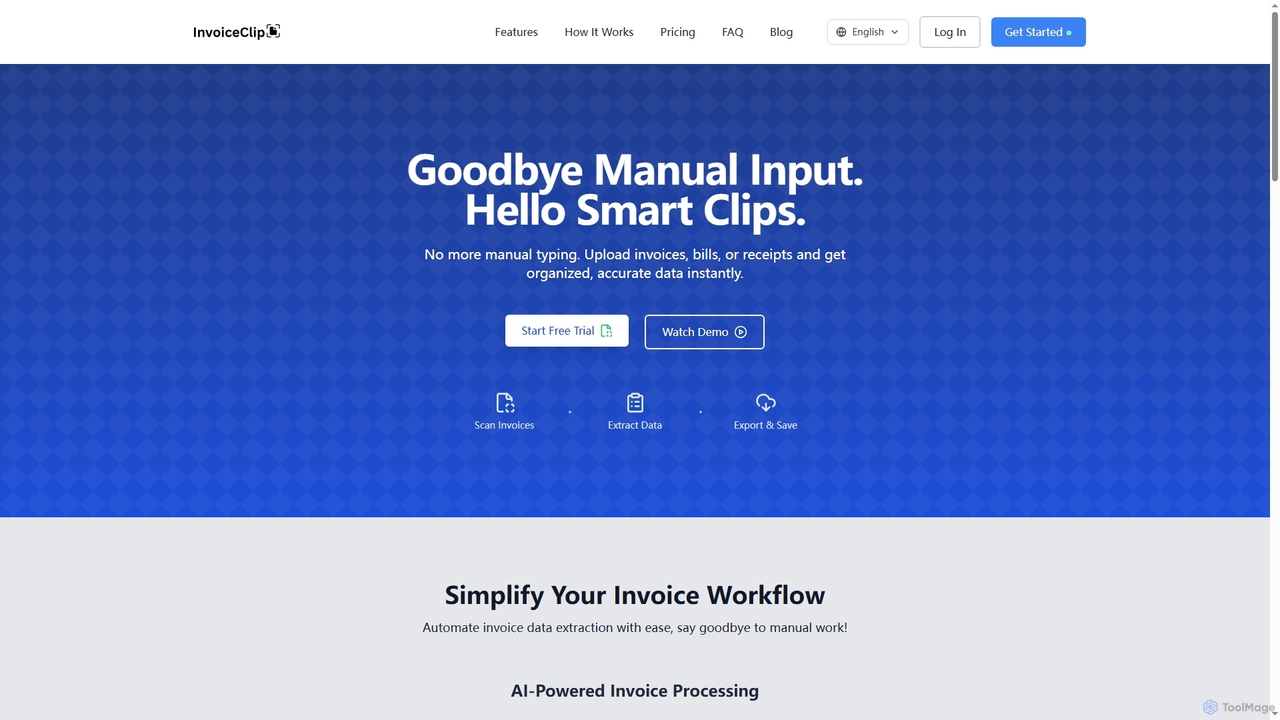
InvoiceClip

InvoiceClip

InvoiceClip is an AI-powered invoice and receipt scanner app designed to automate data extraction, categorization, and organization for …

2.5K

About Accounting

AI Accounting tools are a class of software that leverages artificial intelligence to automate and enhance financial management tasks. These tools use machine learning and optical character recognition (OCR) to process invoices, categorize transactions, and reconcile accounts with minimal human intervention. They empower businesses to improve accuracy, ensure compliance, and gain real-time insights into their financial health. By handling repetitive tasks, AI accounting platforms free up finance professionals to focus on strategic analysis and decision-making.

Core Features

  • Automated Bookkeeping: Automatically records and categorizes transactions from bank feeds, invoices, and receipts.
  • Intelligent Invoice Processing: Extracts data from invoices, matches them with purchase orders, and routes them for approval.
  • Expense Management Automation: Scans receipts, categorizes spending according to company policies, and flags anomalies.
  • Financial Forecasting: Analyzes historical data to predict future cash flow, revenue, and expenses.
  • Automated Reconciliation: Matches transactions between bank statements and accounting ledgers, instantly identifying discrepancies.

Use Cases

AI Accounting tools are valuable for a wide range of users, from small business owners seeking to simplify bookkeeping to large enterprises aiming for advanced financial analytics. Accounting firms use them to manage multiple clients more efficiently, while finance departments in growing companies rely on them to scale operations without increasing headcount. They are particularly useful in industries with high transaction volumes, such as e-commerce, retail, and consulting.

How to Choose

When selecting an AI Accounting tool, first consider its integration capabilities with your existing ERP, CRM, and banking systems. Evaluate the tool's scalability to ensure it can handle your growing transaction volume. Assess the specific feature set to confirm it meets your needs, such as multi-currency support or project accounting. Finally, verify the provider's security protocols and compliance with financial regulations like SOC 2 to ensure your data is protected.

AccountingUse Cases

1

Automating Invoice Processing for Small Businesses

A small e-commerce business owner receives dozens of supplier invoices via email each week. Instead of manually entering each one into their accounting software, they use an AI tool that automatically scans their inbox. The AI extracts key data like vendor name, invoice number, amount, and due date, then creates a draft bill for approval. This process reduces manual data entry time by over 90% and minimizes the risk of costly payment errors, freeing the owner to focus on sales and customer service.

2

Streamlining Employee Expense Reporting

A mid-sized consulting firm struggled with a slow and error-prone expense reporting process. By implementing an AI accounting tool, consultants can now simply take a photo of a receipt with their phone. The AI uses OCR to instantly capture the vendor, date, and amount, automatically categorizes the expense based on past behavior, and checks it against company policy. This reduces the time spent on creating reports from hours to minutes and accelerates reimbursement cycles, improving employee satisfaction.

3

Real-time Cash Flow Forecasting for Startups

A tech startup needs to manage its cash flow meticulously to ensure runway. By connecting their bank accounts and payment processors to an AI accounting platform, the founders get a real-time dashboard of their financial health. The AI analyzes historical income and spending patterns to generate a 90-day cash flow forecast. This predictive insight allows them to anticipate cash shortages, make timely decisions about hiring or major purchases, and confidently report to investors.

4

Automating Bank Reconciliation for Accounting Firms

An accounting firm manages the books for 50 different clients, a process that involves manually reconciling thousands of bank transactions each month. By adopting an AI platform, they automate this entire workflow. The system ingests bank feeds and uses machine learning to match transactions to invoices and expenses with high accuracy, flagging only the true exceptions for human review. This reduces the time spent on reconciliation by up to 80%, allowing the firm to take on more clients without hiring additional staff.

5

Enhancing Financial Audits with Anomaly Detection

An internal auditor at a large corporation is tasked with reviewing millions of financial transactions for potential fraud or errors. Using an AI-powered accounting tool, they can analyze the entire general ledger instead of just a sample. The AI algorithm is trained to identify unusual patterns, such as duplicate payments, out-of-hours journal entries, or transactions that deviate significantly from historical norms. This allows the auditor to focus their investigation on the highest-risk items, increasing the effectiveness and coverage of the audit.

6

Simplifying Tax Preparation and Compliance

A freelance consultant uses an AI accounting tool throughout the year to manage their business finances. The tool automatically categorizes every income and expense transaction into tax-relevant buckets, such as 'office supplies', 'travel', or 'software subscriptions'. When tax season arrives, the tool generates a comprehensive report that summarizes all deductible expenses and taxable income. This eliminates the last-minute scramble to organize receipts and ensures they can file their taxes accurately and maximize their deductions with minimal effort.

AccountingFrequently Asked Questions