
ToolMage
Sign in

Best 1 Text To Speech AI tools for Ai Audio

Popular Text To Speech AI tools in Ai Audio include Monet, helping you work more efficiently.

Monet
Freemium

Monet

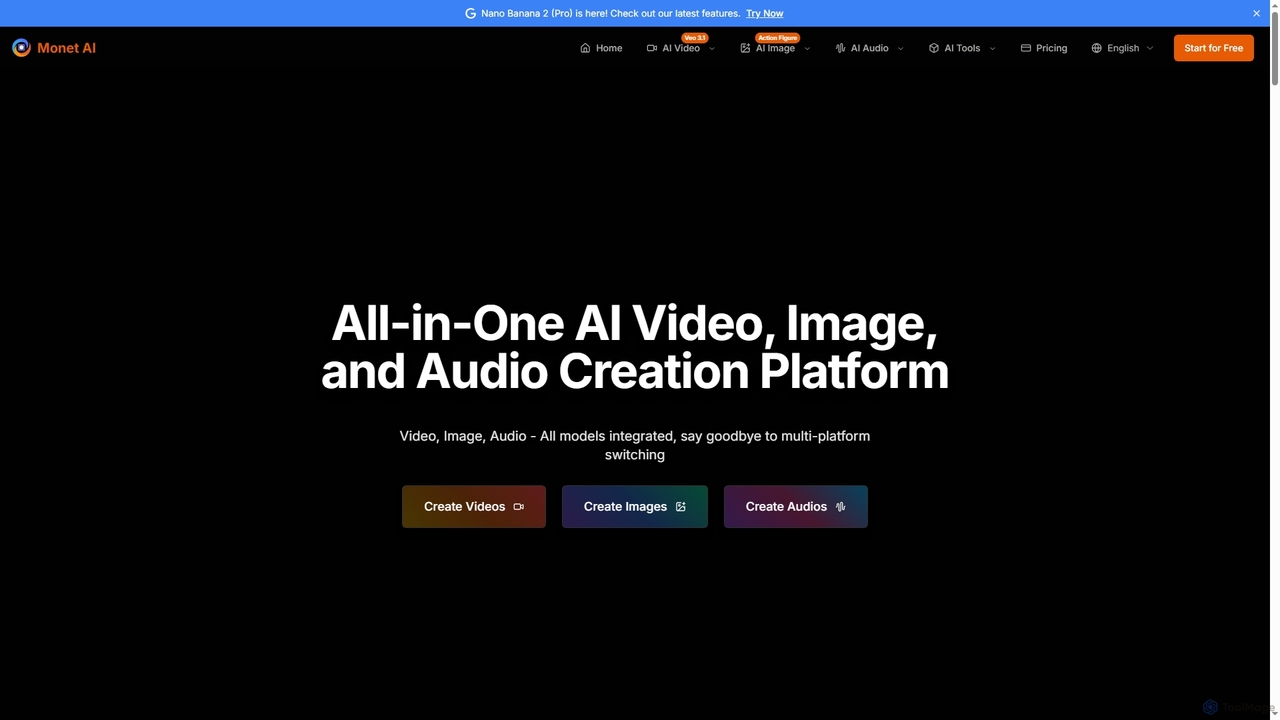
Monet is an all-in-one AI creation platform that integrates leading AI models for generating high-quality videos, images, and audio. It offers text-to-video, image-to-video, text-to-image, style transfer, and text-to-speech functionalities, streamlining creative workflows for diverse users.

Image Generation
Visits 195.4KFavorites 147Likes 128

About Text To Speech

Text To Speech (TTS) tools are AI-powered applications that convert written text into natural-sounding spoken audio. These tools leverage advanced deep learning models and neural networks to synthesize human-like voices, often with customizable tones and emotions. They enable users to transform articles, documents, and scripts into engaging audio content, enhancing accessibility and expanding content reach across various platforms. This technology is a crucial component within the broader AI audio landscape, offering efficient and scalable voice generation solutions.

Core Features

  • Natural Voice Synthesis: Generates highly realistic and human-like speech from text.
  • Multi-language Support: Offers a wide array of languages, dialects, and accents for global reach.
  • Voice Customization: Allows adjustment of pitch, speed, volume, and emotional nuances.
  • SSML Integration: Supports Speech Synthesis Markup Language for fine-grained control over pronunciation and pauses.
  • API Access: Provides programmatic interfaces for seamless integration into applications and workflows.

Use Cases

Text To Speech technology is widely adopted across various sectors. Content creators use it to produce audio versions of blogs and e-books, while educators integrate it into e-learning platforms for accessible course materials. Businesses deploy TTS for automated customer service, interactive voice response (IVR) systems, and dynamic voiceovers in marketing campaigns, significantly reducing production costs and time.

How to Choose

When selecting a Text To Speech tool, prioritize voice quality and naturalness, ensuring it aligns with your brand's tone. Evaluate the range of supported languages and accents for your target audience. Consider customization options for voice parameters and emotional expression. Assess API availability for integration into existing systems and compare pricing models based on usage volume and feature sets to find a cost-effective solution.

Text To Speech use cases

1

Creating Audio Versions of Blog Posts and Articles

Content creators and bloggers can use Text To Speech tools to convert their written articles into engaging audio formats. By simply pasting text into the tool, they can generate natural-sounding narrations, transforming blog posts into podcasts or audio articles. This expands their audience reach to individuals who prefer listening over reading, such as commuters or those with visual impairments, significantly increasing content consumption and accessibility without the need for professional voice actors.

2

Enhancing E-learning Modules and Accessibility

Educators and e-learning developers can leverage Text To Speech to create accessible and engaging course materials. By converting lesson texts, quizzes, and instructions into audio, they cater to diverse learning styles, including auditory learners and students with reading difficulties or visual impairments. This ensures that educational content is inclusive and can be consumed on the go, improving student engagement and comprehension across various digital learning platforms.

3

Automating Customer Service and IVR Systems

Businesses can integrate Text To Speech technology into their customer service operations, particularly for Interactive Voice Response (IVR) systems and chatbots. Instead of relying on pre-recorded messages, TTS allows for dynamic, real-time generation of responses, providing personalized information to callers. This reduces the need for extensive voice recording sessions, ensures consistency in messaging, and enables rapid updates to information, leading to more efficient and responsive customer interactions.

4

Generating Voiceovers for Marketing Videos and Ads

Marketing professionals and advertisers can utilize Text To Speech tools to quickly generate professional voiceovers for their video content, product demonstrations, and social media ads. This eliminates the time and cost associated with hiring voice actors or setting up recording studios. With TTS, marketers can experiment with different voices, languages, and scripts to A/B test their campaigns, ensuring their message resonates with diverse audiences efficiently and cost-effectively.

5

Developing Dynamic Dialogue for Games and Virtual Assistants

Game developers and creators of virtual assistants can utilize Text To Speech APIs to generate dynamic and context-aware dialogue for non-player characters (NPCs) or AI assistants. Instead of pre-recording every possible line, TTS allows for on-the-fly speech generation based on user input or game events. This enables more interactive and personalized experiences, reducing development time and storage requirements while offering a vast array of conversational possibilities.

6

Producing Audio News Briefs and Reports

News organizations and media outlets can leverage Text To Speech technology to quickly convert written news articles and reports into audio briefs. This allows them to offer listeners an alternative way to consume news, catering to those who prefer to listen while multitasking or commuting. By automating the audio production process, media companies can deliver timely news updates across various platforms, including smart speakers and podcast channels, enhancing their content delivery strategy.

Text To Speech FAQ

What are Text To Speech (TTS) tools?

Text To Speech (TTS) tools are AI-powered applications that convert written text into spoken audio. They leverage advanced algorithms and neural networks to synthesize human-like voices, often with customizable tones, languages, and emotional nuances. These tools are primarily used to enhance accessibility, automate voiceovers, and create dynamic audio content from any written input, making information more consumable for diverse audiences.

How do I choose the right Text To Speech tool?

To choose the right Text To Speech tool, consider several factors. First, evaluate the naturalness and quality of the voices offered, ensuring they sound human-like and fit your project's tone. Second, check the range of supported languages and accents if you need multilingual content. Third, look for customization options like pitch, speed, and emotional expression. Finally, assess API integration capabilities for your workflow and compare pricing models based on your usage volume and required features.

What are the key benefits of using Text To Speech?

The key benefits of using Text To Speech tools include enhanced accessibility for visually impaired individuals or those with reading difficulties, allowing them to consume written content auditorily. They offer significant time and cost savings by automating voiceover production, eliminating the need for human voice actors and recording studios. TTS also ensures consistency in voice and tone across large volumes of content, supports rapid content updates, and enables global reach through multi-language capabilities, making content creation more efficient and inclusive.

How does Text To Speech differ from human voiceovers?

Text To Speech (TTS) differs from human voiceovers primarily in its generation method and scalability. TTS uses AI algorithms to synthesize voices from text, offering instant, scalable production across multiple languages and tones without human intervention. Human voiceovers, conversely, involve professional voice actors recording audio, providing a unique human touch, nuanced emotional delivery, and artistic interpretation. While human voiceovers excel in bespoke, high-emotion projects, TTS offers unparalleled efficiency, cost-effectiveness, and consistency for large-scale, dynamic, or frequently updated content.

Can Text To Speech tools generate emotional or expressive voices?

Yes, modern Text To Speech tools, especially those powered by advanced neural networks and deep learning, are increasingly capable of generating emotional and expressive voices. Many platforms offer options to adjust parameters like pitch, speaking rate, and volume, and some even allow users to select specific emotional tones such as happy, sad, angry, or excited. This capability is crucial for creating more engaging and contextually appropriate audio content, moving beyond monotone robotic voices to deliver a richer listening experience.