ToolMage
Sign in

Best 2 Ai Avatars AI tools

Popular Ai Avatars AI tools include Glato AI and AnyCameo, helping you work more efficiently.

AnyCameo
Paid

AnyCameo

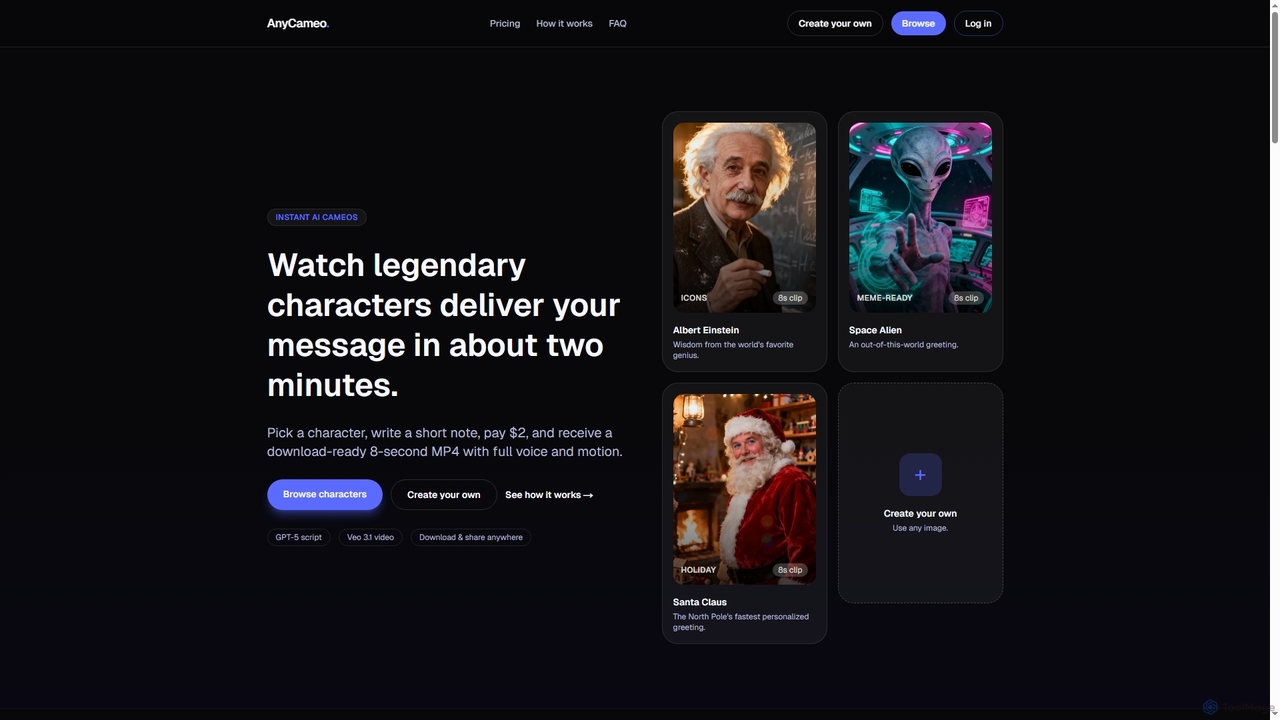
AnyCameo offers instant, personalized AI-generated video messages from legendary characters or custom uploaded images. In about two minutes, users can create an 8-second MP4 clip with synchronized voice and motion, perfect for sharing on social media or personal greetings, all for a flat fee of $2.

Character Animation
Visits 5KFavorites 121Likes 126
Glato AI
Freemium

Glato AI

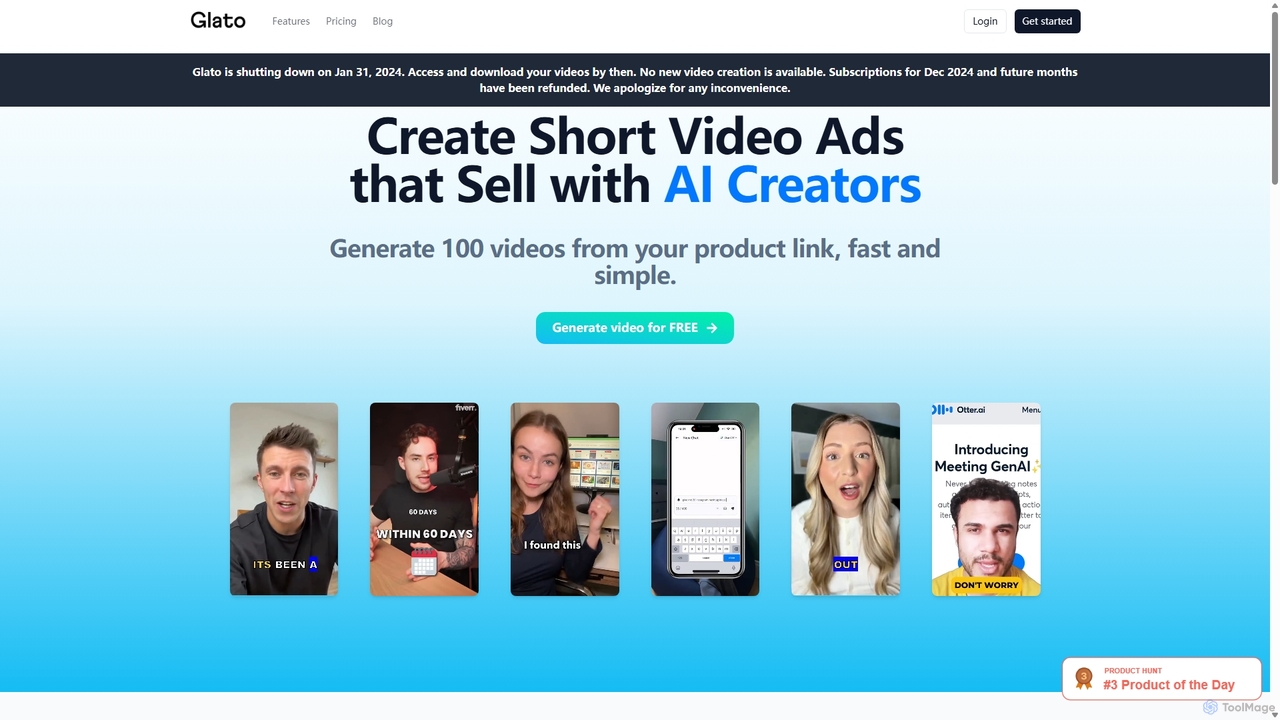
Glato AI is a powerful platform that generates high-converting short video ads using digital clones of real creators. Simply provide a product link, and the AI creates hundreds of variations with expressive avatars, automated B-roll, and trend analysis to maximize engagement. It's designed for brands and founders to scale their video marketing efforts quickly and cost-effectively.

Spokesperson
Visits 6.4KFavorites 135Likes 157

About Ai Avatars

AI Avatars are tools that use artificial intelligence to generate unique, personalized digital representations of a person. These tools typically leverage generative models, trained on vast datasets of images, to transform user photos or text descriptions into a wide variety of artistic styles. They are widely used for creating distinctive profile pictures, virtual identities for gaming and metaverses, and creative content for social media. The key advantage is the ability to produce high-quality, stylized portraits without needing any artistic skills.

Core Features

  • Photo-to-Avatar Conversion: Transforms uploaded photos into avatars in numerous styles, such as fantasy, anime, or professional headshots.
  • Text-to-Avatar Generation: Creates avatars from textual descriptions, allowing users to define appearance, clothing, and setting.
  • Style Customization: Offers a diverse library of artistic styles, themes, and effects to apply to the generated avatars.
  • Batch Generation: Produces multiple variations of an avatar from a single input, providing a range of options to choose from.
  • High-Resolution Output: Delivers avatars in high quality suitable for profile pictures, printing, or other digital uses.

Use Cases

AI Avatar tools are valuable for individuals and businesses alike. Social media users and content creators use them to establish a unique online brand and generate engaging visuals. Gamers and metaverse participants create personalized characters for virtual worlds. Professionals utilize them to generate polished and consistent headshots for platforms like LinkedIn, while marketing teams can design brand mascots or characters for campaigns.

How to Choose

When selecting an AI Avatar tool, consider the input method—whether it primarily uses photos or text prompts. Evaluate the variety and quality of the available art styles to ensure they match your needs. Check the output resolution and format options. It's also important to understand the pricing model (e.g., subscription, credit packs, or one-time fee) and review the platform's data privacy policy regarding how your uploaded images are used and stored.

Featured tool rankings

Ai Avatars use cases

1

Generate Professional Business Headshots

A marketing professional needs a consistent and high-quality set of headshots for their LinkedIn profile, company website, and conference speaker bios. Instead of scheduling an expensive photoshoot, they upload 10-15 casual photos of themselves to an AI Avatar generator. They select a 'professional' or 'corporate' style pack. The tool analyzes their facial features and generates over 100 different headshots with various outfits, backgrounds, and expressions, all maintaining a professional look. This allows them to select the perfect images for each platform, saving significant time and money while achieving a polished brand identity.

2

Create Unique Avatars for Gaming and Virtual Worlds

A gamer wants to create a unique identity for their online profiles across platforms like Discord, Twitch, and in virtual reality games. They use an AI Avatar tool and input a text prompt describing their ideal fantasy character: 'A cyberpunk elf with neon tattoos, silver hair, and glowing purple eyes'. The AI generates dozens of visual interpretations of this concept. The gamer can then select their favorite avatar to use as a profile picture, ensuring a consistent and highly personalized digital persona that stands out in online communities without needing any artistic skills to draw it themselves.

3

Design Fictional Characters for Creative Projects

An author writing a science fiction novel needs to visualize the main characters to help with descriptions and cover art concepts. Instead of hiring an artist for initial sketches, they use an AI Avatar tool with text-to-avatar functionality. They input detailed descriptions for each character, including age, ethnicity, clothing style, and key features. The AI generates a variety of portraits for each character, providing a strong visual foundation. This process helps the author solidify their vision, create more vivid descriptions in their writing, and provide a clear brief to a cover artist later, streamlining the creative workflow.

4

Generate Themed Avatars for Social Media Campaigns

A social media manager is running a holiday-themed campaign for an e-commerce brand. To make the brand's profile more festive, they use an AI Avatar generator to create holiday-themed versions of their company mascot. They upload an image of the mascot and apply styles like 'Christmas Elf', 'New Year's Party', or 'Winter Wonderland'. The tool generates dozens of options, which can be used as profile pictures, in social media posts, and in email newsletters throughout the campaign. This allows for quick, cost-effective creation of on-brand, seasonal content that increases audience engagement.

5

Experiment with Different Personal Styles

An individual is considering a new hairstyle or hair color but is hesitant to make a real-world change. They upload several photos of themselves to an AI Avatar tool. Then, they use text prompts like 'long wavy red hair' or 'short pixie cut with blue highlights' to generate realistic previews of how these styles might look on them. The AI produces a variety of images, allowing them to explore different aesthetics and gain confidence before visiting a salon. This serves as a personal, risk-free style consultation, helping them make more informed decisions about their appearance.

6

Create Anonymous but Personal Online Identities

A user active in online forums and communities wants to maintain their privacy while still having a recognizable and personal profile picture. They prefer not to use a real photo or a generic icon. Using an AI Avatar tool, they upload a photo and select a 'cartoon' or 'anime' style. The tool generates an avatar that captures their likeness in a stylized, non-photorealistic way. This allows them to create a unique and consistent identity across different platforms that feels personal, without revealing their actual appearance, striking a balance between anonymity and personal expression.

Ai Avatars FAQ

What are AI Avatars?

AI Avatars are digital images of a person, often stylized or artistic, created by artificial intelligence. These tools use generative AI models to analyze input, such as user photos or text descriptions, and then generate entirely new portraits. Unlike simple filters that just alter an existing photo, AI Avatar generators create new images from scratch in various styles, like fantasy, anime, cyberpunk, or professional headshots. They are commonly used for profile pictures, gaming identities, and creative content.

How to choose the right AI Avatar generator?

When selecting an AI Avatar generator, consider these factors:

  • Input Method: Determine if you need a tool that works from photos, text prompts, or both.
  • Style Variety: Check if the tool offers the specific artistic styles you're looking for (e.g., realistic, cartoon, fantasy).
  • Output Quality: Look at sample images to assess the resolution, detail, and artistic quality of the generated avatars.
  • Cost and Pricing Model: Compare whether the service is subscription-based, uses a credit system, or offers a one-time purchase.
  • Privacy Policy: Review how the service handles your uploaded data. Ensure they have clear policies on data storage, usage, and deletion.
How do AI Avatar generators work?

AI Avatar generators work by using complex machine learning models, often called generative adversarial networks (GANs) or diffusion models. First, a user provides input, which is typically a set of their own photos or a detailed text description. The AI analyzes this input to understand key features, like facial structure or described attributes. Then, it uses its training on a massive dataset of images and artistic styles to generate a completely new image that combines the user's features with the chosen style. It's not editing the original photo but creating a new piece of art inspired by it.

What's the difference between an AI Avatar and a photo filter?

The key difference lies in creation versus modification. A photo filter applies a layer of effects (like changing colors, contrast, or adding textures) on top of an existing photograph. The underlying image structure remains the same. In contrast, an AI Avatar generator creates a completely new image. It uses the input photo as a reference to understand your features but then generates a new piece of art from scratch, which can fundamentally change the style, clothing, background, and even pose, resulting in a unique artistic interpretation rather than a modified photo.

Can I use AI-generated avatars for commercial purposes?

The ability to use AI-generated avatars for commercial purposes depends entirely on the terms of service of the specific tool you use. Some services explicitly grant users full commercial rights to the images they create, especially with paid plans. Others may restrict usage to personal, non-commercial purposes only. It is crucial to read and understand the licensing agreement of any AI Avatar generator before using its output for business, marketing, or any other commercial activity to avoid potential copyright issues.