QuicSnap
QuicSnap is an AI-powered product photography service that transforms simple phone photos into studio-quality, market-ready visuals. It combines …
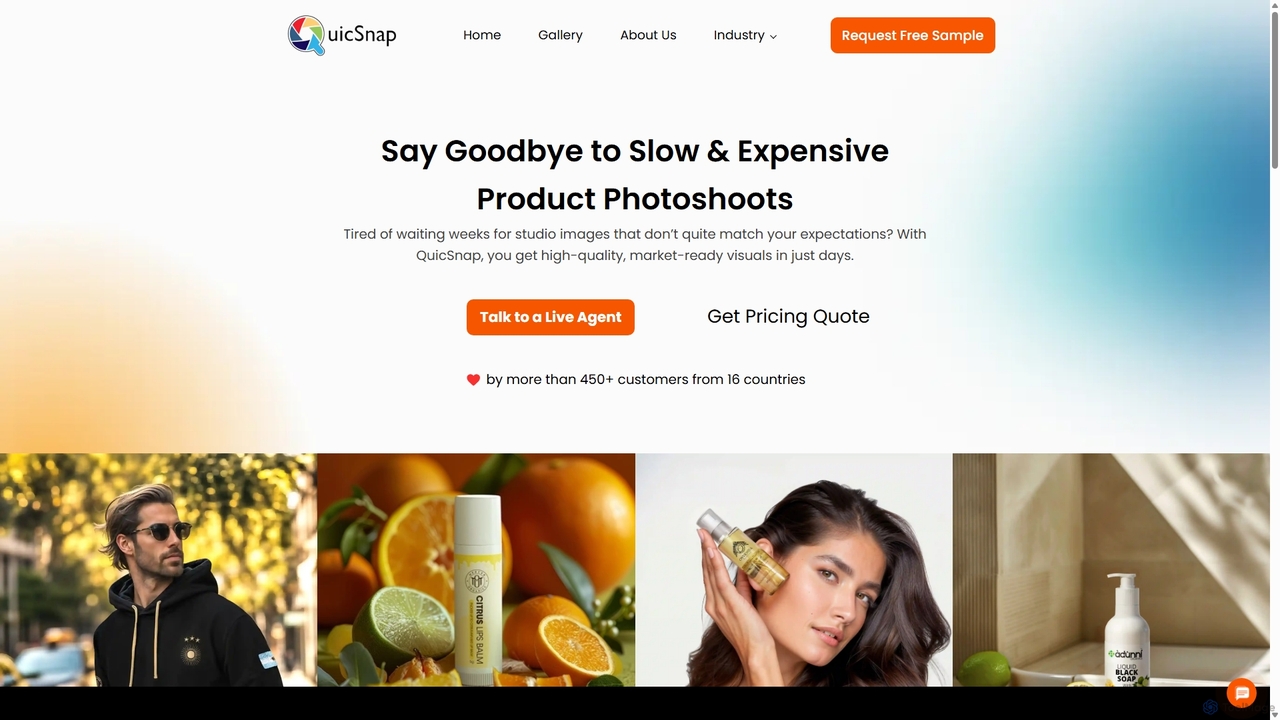
QuicSnap is an AI-powered product photography service that transforms simple phone photos into studio-quality, market-ready visuals. It combines AI generation with professional human designers to deliver fast, affordable, and brand-aligned images for e-commerce businesses, particularly in apparel, beauty, and FMCG sectors.
About Image Generation
Image Generation tools are a category of AI-powered applications that automatically create visual content from various inputs, such as text descriptions, existing images, or other data. These tools leverage advanced deep learning models, like Generative Adversarial Networks (GANs) and Diffusion Models, to interpret complex prompts and synthesize unique, high-quality images. They empower users to rapidly produce diverse visual assets for creative, marketing, and design purposes, significantly reducing the time and resources traditionally required for visual content creation and enabling unprecedented creative exploration.
Core Features
- Text-to-Image Synthesis: Generates images from natural language descriptions, allowing users to describe desired visuals with detailed prompts and parameters.
- Image-to-Image Transformation: Modifies existing images based on new prompts or style transfers, maintaining structural integrity while introducing new elements or artistic styles.
- Inpainting & Outpainting: Intelligently fills in missing parts of an image or extends its boundaries with AI-generated content that seamlessly blends with the original.
- Style Transfer: Applies the artistic style of one image to the content of another, creating unique visual blends for artistic expression or branding.
- Variations Generation: Produces multiple alternative versions of a generated or uploaded image, offering diverse creative options and facilitating iterative design processes.
Applicable Scenarios
Image Generation tools are invaluable across various industries and creative workflows. Graphic designers use them to quickly prototype concepts, explore different visual styles for client projects, and generate placeholder images. Marketing teams leverage these tools to create unique ad creatives, social media posts, and campaign visuals without needing extensive photography or illustration resources, enabling rapid content iteration. Game developers utilize them for generating concept art, textures, and environmental assets, accelerating the early stages of game design and iteration. Additionally, architects and interior designers can visualize design concepts and material options with photorealistic renderings.
How to Choose
When selecting an Image Generation tool, consider the quality and consistency of its output, especially for specific styles or subjects you frequently work with. Evaluate the range of customization options, such as granular control over composition, artistic style, resolution, and aspect ratios. Assess the ease of use and the learning curve, as some tools offer more intuitive interfaces for beginners while others provide advanced controls for professionals. Furthermore, compare pricing models, including subscription tiers and credit systems, and consider integration capabilities with your existing creative software or platforms to ensure a seamless fit for your workflow and budget.

Image GenerationUse Cases
Generate Product Mockups for E-commerce
E-commerce businesses and product designers can utilize image generation tools to create photorealistic mockups of products in various settings or with different design variations. By inputting product images and descriptive prompts, they can quickly visualize how a new product might look in a lifestyle shot, on a model, or with alternative packaging, saving significant time and cost compared to traditional photography or 3D rendering.
Concept Art for Game Development
Game artists and developers can accelerate their pre-production phase by using AI image generators to create diverse concept art for characters, environments, and props. Inputting textual descriptions or rough sketches allows them to rapidly iterate on visual ideas, explore different art styles, and generate hundreds of unique variations, providing a rich visual library for design discussions and reducing the manual effort of initial concepting.
Marketing Campaign Visuals for Social Media
Marketing professionals and social media managers can generate eye-catching visuals for their campaigns without relying on stock photos or extensive design work. By describing the desired mood, theme, and elements, they can create unique images tailored to specific ad copy or social media posts, ensuring brand consistency and fresh content daily, which helps in engaging audiences and improving ad performance.
Illustrations for Blog Posts and Articles
Content creators and bloggers can enhance their articles with custom-generated illustrations that perfectly match their content's theme and tone. Instead of searching for generic stock images, they can input keywords from their text to produce unique, relevant visuals, making their content more engaging and distinctive. This allows for a personalized visual experience that complements the written narrative.
Personalized Art and Digital Avatars
Individual users and digital artists can leverage image generation tools to create personalized artwork, unique digital avatars, or custom profile pictures. By feeding the AI personal photos or specific stylistic preferences, they can generate artistic renditions, fantasy portraits, or stylized self-portraits, offering a creative outlet for self-expression and unique digital identity creation.
Architectural Visualization and Interior Design
Architects and interior designers can use image generation tools to quickly visualize design concepts for clients. By providing floor plans, material preferences, or textual descriptions of desired aesthetics, they can generate photorealistic renderings of rooms, buildings, or landscapes. This significantly speeds up the design iteration process and helps clients better understand the proposed designs before physical construction or decoration begins.