rasa.io
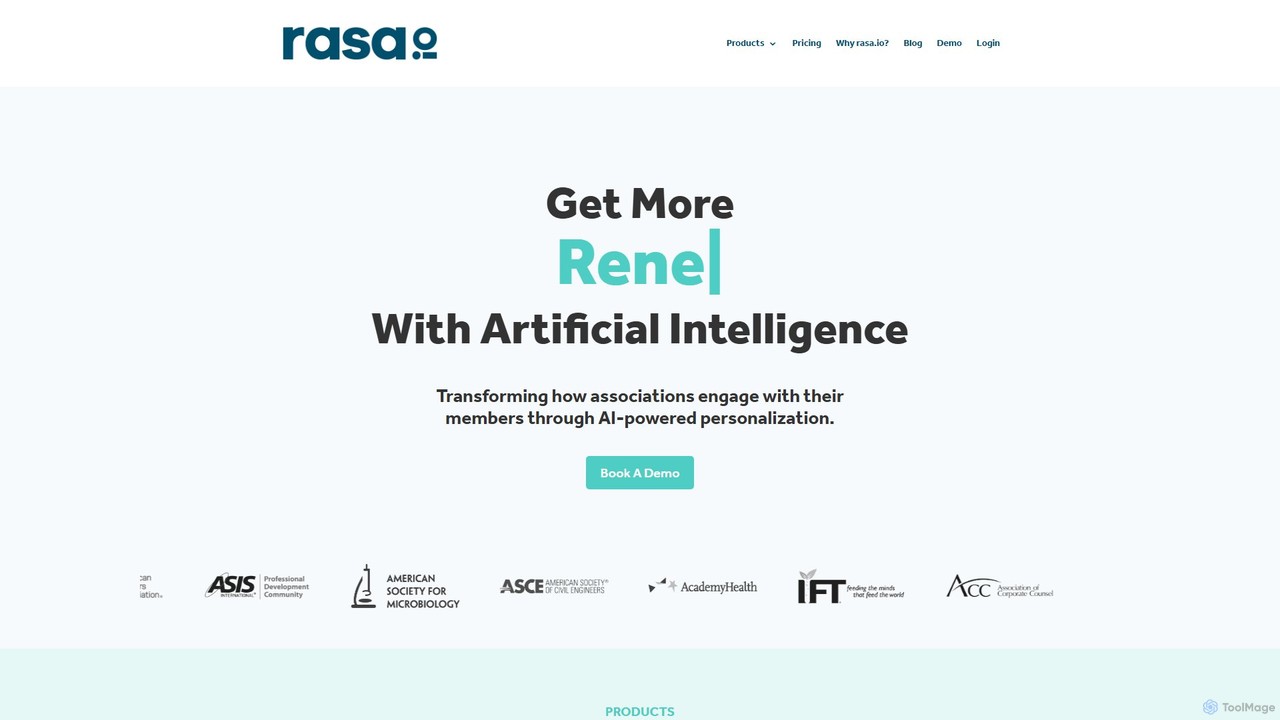
rasa.io is an AI-powered personalization platform designed for associations and nonprofits. It automates the creation of unique email …
rasa.io is an AI-powered personalization platform designed for associations and nonprofits. It automates the creation of unique email newsletters and campaigns for each member, dramatically increasing engagement, retention, and non-dues revenue. By analyzing individual interests, rasa.io ensures every communication is relevant, saving staff time and unlocking the value of your content.
About Personalization
AI Personalization tools are a class of software that uses machine learning to deliver tailored experiences to individual users. These tools analyze user data—such as behavior, preferences, and demographics—to dynamically adapt content, product recommendations, and marketing messages. The primary goal is to increase engagement, conversion rates, and customer loyalty by making every interaction relevant. Unlike rule-based systems, AI-driven personalization can predict user intent and adapt in real-time across various digital touchpoints.
Core Features
- Predictive Recommendations: Suggests products, articles, or media that a user is most likely to be interested in based on past behavior and similar user profiles.
- Dynamic Content Adaptation: Automatically modifies website content, emails, or app interfaces to match the individual user's context or segment.
- Behavioral Segmentation: Uses AI to group users into micro-segments based on complex patterns, enabling highly targeted campaigns.
- Real-time Data Analysis: Processes user interactions as they happen to deliver immediate and relevant personalized experiences.
Use Cases
These tools are widely used in e-commerce to power product recommendation engines and personalized shopping pages. Media and streaming platforms use them to create custom content feeds and suggestions. In digital marketing, they are essential for personalizing email campaigns, ad targeting, and landing page optimization to improve campaign ROI.
How to Choose
When selecting an AI Personalization tool, consider its integration capabilities with your existing tech stack (CRM, e-commerce platform). Evaluate the sophistication of its machine learning models and whether they align with your business goals. Also, assess the platform's scalability to handle your user traffic and data volume, and ensure it complies with data privacy regulations like GDPR and CCPA.

PersonalizationUse Cases
Enhance E-commerce Product Recommendations
An e-commerce manager uses an AI personalization tool to move beyond simple "most popular" lists. The tool analyzes a customer's browsing history, past purchases, and items in their cart in real-time. It then populates sections like "You Might Also Like" and "Frequently Bought Together" with highly relevant products, powered by collaborative filtering and predictive analytics. This leads to a measurable increase in average order value and customer lifetime value by surfacing products customers are genuinely interested in but might not have found on their own.
Deliver Dynamic Website Content
A digital marketer for a SaaS company aims to increase trial sign-ups. They use a personalization tool to alter the homepage hero section based on visitor data. A visitor from the finance industry sees a headline and customer logo relevant to banking. A visitor from a small business sees messaging focused on affordability and ease of use. The tool identifies visitor attributes (like industry or company size) via IP lookup or past behavior and serves the most relevant content variation, significantly improving conversion rates compared to a one-size-fits-all homepage.
Personalize Email Marketing Campaigns
A marketing team for an online retailer wants to reduce cart abandonment. They use a personalization tool integrated with their email service provider. The tool triggers an email sequence when a user abandons a cart. The first email might feature the exact items left behind. If there's no response, a follow-up email could offer a small discount on those items or suggest similar, lower-priced alternatives. By tailoring the content based on specific user actions and product interests, these automated campaigns achieve much higher open and conversion rates than generic reminder emails.
Create Tailored Content Feeds for Media Platforms
A content strategist for a news or video streaming service uses a personalization engine to curate the user's home feed. The AI analyzes viewing history, liked content, time spent on articles/videos, and topics of interest. It then populates the feed with a mix of content: items similar to what the user enjoys, popular content among similar users, and discovery items to broaden their interests. This keeps users engaged for longer sessions, increases content consumption, and reduces churn by consistently providing a valuable and relevant experience.
Optimize Ad Targeting and Creative
A performance marketer uses a personalization platform connected to their ad network. The platform analyzes user segments and identifies which ad creative (image, copy, call-to-action) performs best for each segment. Instead of running one generic ad, the system automatically serves the highest-performing creative to the right audience. For example, a younger demographic might see a video ad featuring influencers, while an older demographic sees a static ad focused on product benefits. This dynamic creative optimization increases click-through rates and lowers the cost per acquisition.
Design Customized User Onboarding Journeys
A product manager for a mobile app uses a personalization tool to improve user retention after installation. The tool identifies the user's initial actions within the app to understand their primary goal. A user who immediately starts using a specific feature receives a series of tips and tutorials focused on mastering that feature. Another user who seems lost gets a guided tour of the app's core functionalities. This tailored onboarding process helps users find value faster, increases feature adoption, and significantly reduces the drop-off rate in the first week.