Analytics Best in category 1 results Blockchain Analytics AI Tool

Popular AI tools in the Blockchain Analytics field of Analytics include MetaCRM, etc., helping you quickly improve efficiency.

MetaCRM

MetaCRM

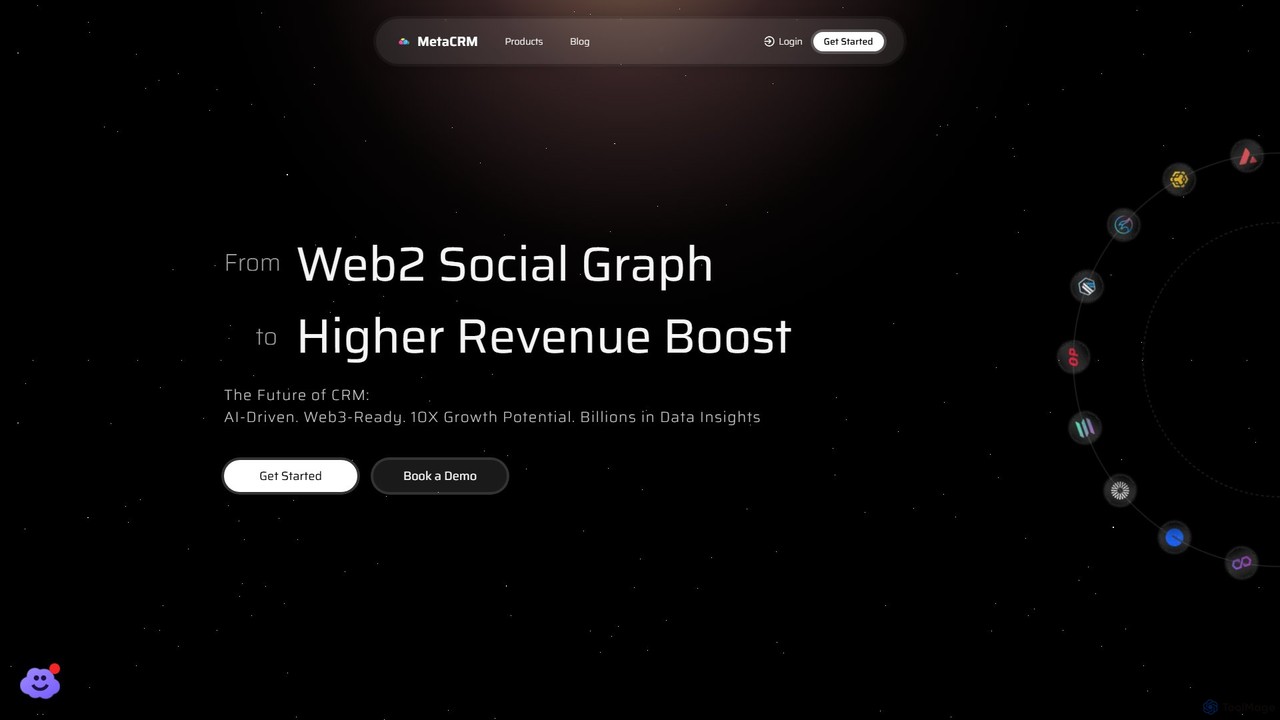
MetaCRM is an AI-powered, Web3-native CRM hub designed to unify on-chain and off-chain data. It empowers blockchain projects …

6.4K

About Blockchain Analytics

Blockchain Analytics tools are specialized AI-powered platforms designed to collect, process, and interpret data from various blockchain networks. They leverage advanced algorithms and machine learning to analyze on-chain activities, transaction patterns, and wallet behaviors. These tools provide critical insights into cryptocurrency markets, decentralized finance (DeFi) protocols, and non-fungible tokens (NFTs), enabling enhanced transparency, security, and informed decision-making for a wide range of users.

Core Features

  • Transaction Tracking: Monitor and trace individual transactions across blockchain networks, revealing origins and destinations.
  • Wallet Analysis: Examine wallet activity, holdings, and historical interactions to identify key entities and behavioral patterns.
  • Smart Contract Auditing: Analyze smart contract code and execution for vulnerabilities, compliance, and performance issues.
  • Market Surveillance: Track real-time market data, liquidity, and trading volumes to identify trends and potential manipulations.
  • Compliance & AML: Identify suspicious activities and flag transactions associated with illicit finance, aiding regulatory compliance.

Applicable Scenarios

Blockchain Analytics are essential for cryptocurrency exchanges, financial institutions, and regulatory bodies to monitor market integrity and prevent fraud. Developers use them to audit DeFi protocols and ensure security, while investors leverage insights to optimize trading strategies and perform due diligence on projects. Law enforcement agencies also utilize these tools for forensic investigations into crypto-related crimes.

How to Choose

When selecting a Blockchain Analytics tool, consider its data coverage across different blockchains and tokens, the depth of its analytical capabilities, and the quality of its visualization features. Evaluate its real-time data processing, API integration options for custom applications, and compliance-specific functionalities like AML screening. User interface intuitiveness and pricing models are also crucial factors for effective adoption.

Blockchain AnalyticsUse Cases

1

Detecting Illicit Financial Activities

Law enforcement agencies and compliance officers use blockchain analytics to trace funds involved in ransomware attacks, money laundering, or terrorist financing. By analyzing transaction flows, identifying suspicious addresses, and linking on-chain activity to real-world entities, these tools help uncover criminal networks and provide actionable intelligence for investigations, enhancing digital asset security.

2

Optimizing Cryptocurrency Trading Strategies

Individual and institutional crypto traders employ blockchain analytics to gain an edge in volatile markets. They monitor large whale movements, exchange inflows/outflows, and token distribution patterns to anticipate price shifts. This data-driven approach allows traders to refine entry and exit points, manage risk more effectively, and identify emerging investment opportunities before they become mainstream.

3

Monitoring Decentralized Finance (DeFi) Protocol Health

DeFi project developers and auditors utilize blockchain analytics to continuously monitor the health, security, and performance of their protocols. They track liquidity pools, user engagement, smart contract interactions, and potential vulnerabilities in real-time. This proactive surveillance helps in identifying and mitigating risks, ensuring the stability and trustworthiness of decentralized applications.

4

Performing Due Diligence for Crypto Investments

Venture capitalists and sophisticated investors conduct thorough due diligence on new crypto projects using blockchain analytics. They analyze tokenomics, distribution, team wallet activity, and project treasury movements to assess long-term viability and potential risks. This deep dive into on-chain data provides an objective view beyond whitepapers and marketing claims, informing investment decisions.

5

Ensuring Regulatory Compliance for Financial Institutions

Traditional financial institutions entering the crypto space use blockchain analytics to meet stringent Anti-Money Laundering (AML) and Know Your Customer (KYC) regulations. These tools screen transactions for high-risk indicators, identify sanctioned entities, and generate audit trails. This ensures adherence to global financial standards, mitigating regulatory penalties and reputational damage.

6

Tracking NFT Market Trends and Rarity

NFT collectors, artists, and market analysts leverage blockchain analytics to understand the rapidly evolving NFT ecosystem. They track sales volumes, floor prices, wallet activity of prominent collectors, and rarity traits of specific collections. This helps in identifying valuable assets, understanding market sentiment, and making informed decisions on buying, selling, or creating NFTs.

Blockchain AnalyticsFrequently Asked Questions