Analytics Best in category 1 results People Analytics AI Tool

Popular AI tools in the People Analytics field of Analytics include Emploio, etc., helping you quickly improve efficiency.

Emploio

Emploio

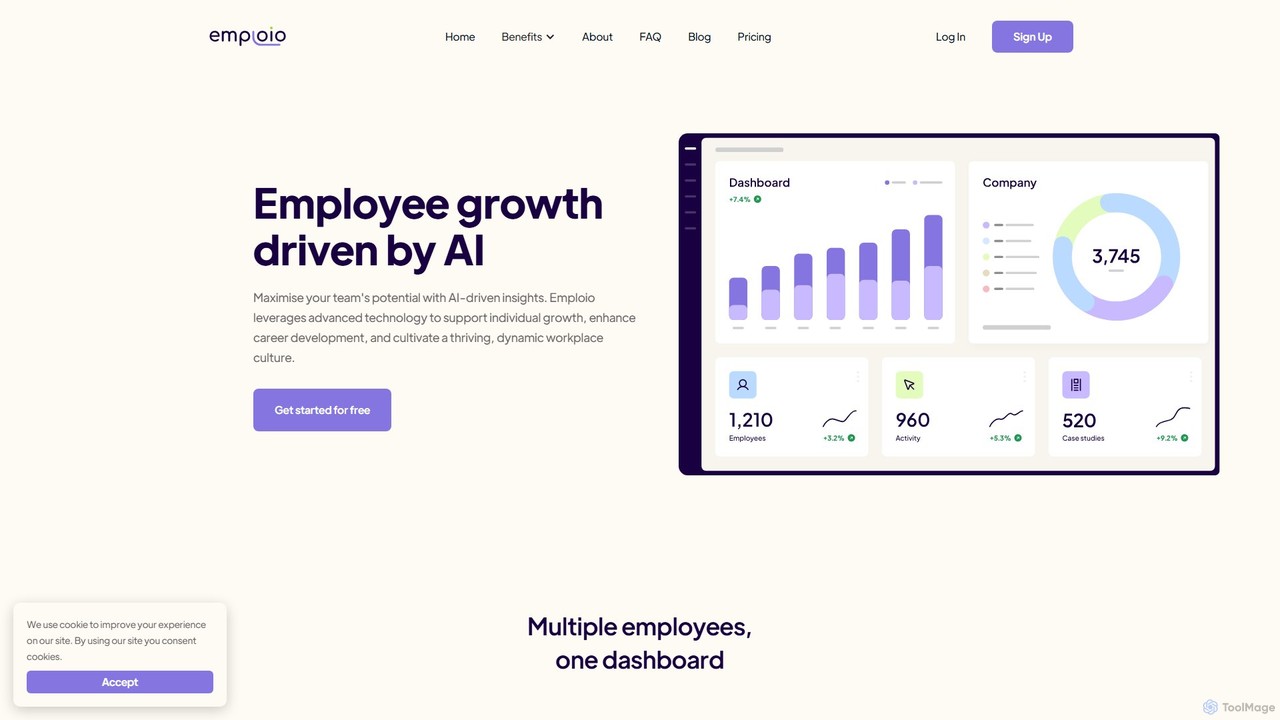
Emploio is an AI-driven platform designed to foster employee growth and build high-performing teams. It uses data analysis …

3.8K

About People Analytics

People Analytics are AI-powered tools that leverage data and analytical methods to gain insights into workforce dynamics and human resources. These tools apply statistical models, machine learning, and data visualization to analyze employee data, enabling organizations to make data-driven decisions about talent management, recruitment, retention, and employee development. They transform raw HR data into actionable intelligence, optimizing organizational performance and fostering a more engaged workforce.

Core Features

  • Workforce Planning & Optimization: Predict future talent needs, identify skill gaps, and optimize staffing levels.
  • Talent Acquisition Analysis: Evaluate recruitment channels, candidate experience, and hiring effectiveness.
  • Employee Engagement & Experience: Measure sentiment, identify drivers of engagement, and improve workplace satisfaction.
  • Retention & Turnover Prediction: Identify at-risk employees and factors contributing to attrition, enabling proactive interventions.
  • Performance Management Insights: Analyze performance data to identify high-performers, training needs, and development opportunities.

Applicable Scenarios

People Analytics tools are crucial for HR departments, business leaders, and talent managers seeking to move beyond anecdotal evidence. They are used in strategic workforce planning, optimizing recruitment processes, enhancing employee experience initiatives, and proactively addressing potential talent loss. These tools provide a comprehensive view of human capital, supporting evidence-based decision-making across the employee lifecycle.

How to Choose

When selecting a People Analytics tool, consider its data integration capabilities with existing HRIS and other systems, the breadth and depth of its analytical models (e.g., predictive vs. descriptive), compliance with data privacy regulations (GDPR, CCPA), and the clarity of its reporting and visualization features. Scalability, user-friendliness, and the level of support offered are also vital for successful implementation and adoption.

People AnalyticsUse Cases

1

Optimizing Recruitment Funnels

Recruitment managers use People Analytics to analyze data from various hiring stages, including source of hire, time-to-fill, cost-per-hire, and candidate conversion rates. By identifying bottlenecks and inefficient channels, they can refine their recruitment strategies, allocate resources more effectively, and improve the quality of hires. This leads to faster, more cost-efficient talent acquisition.

2

Predicting Employee Turnover

HR teams leverage People Analytics to identify patterns and factors that contribute to employee attrition, such as compensation, manager effectiveness, tenure, and engagement scores. The tools build predictive models to flag employees at high risk of leaving, allowing HR to implement targeted retention strategies like personalized development plans, mentorship programs, or compensation adjustments before critical talent departs.

3

Enhancing Employee Engagement Initiatives

Organizations use People Analytics to measure and understand employee sentiment and engagement drivers through surveys, feedback platforms, and performance data. By analyzing these insights, HR can pinpoint specific areas for improvement, such as communication, work-life balance, or career development opportunities, and tailor engagement programs that genuinely resonate with the workforce, leading to higher satisfaction and productivity.

4

Strategic Workforce Planning

Business leaders and HR strategists utilize People Analytics to forecast future talent demands based on business growth projections, market trends, and internal skill inventories. These tools help identify potential skill gaps, assess the impact of automation, and plan for upskilling or reskilling initiatives. This ensures the organization has the right talent with the right skills at the right time to meet strategic objectives.

5

Identifying and Addressing Skill Gaps

Learning and Development (L&D) departments employ People Analytics to map current employee skills against future business needs and industry trends. By analyzing performance data, training records, and project assignments, they can identify critical skill deficiencies across teams or the entire organization. This data-driven approach informs the creation of targeted training programs and development pathways to close gaps effectively.

6

Measuring Training Program Effectiveness

HR and L&D professionals use People Analytics to evaluate the impact of training and development programs. By correlating training participation with subsequent performance metrics, promotion rates, and employee retention, they can assess the ROI of learning initiatives. This allows for continuous improvement of training content and delivery methods, ensuring that development efforts yield tangible business benefits.

People AnalyticsFrequently Asked Questions