ThriftyAI
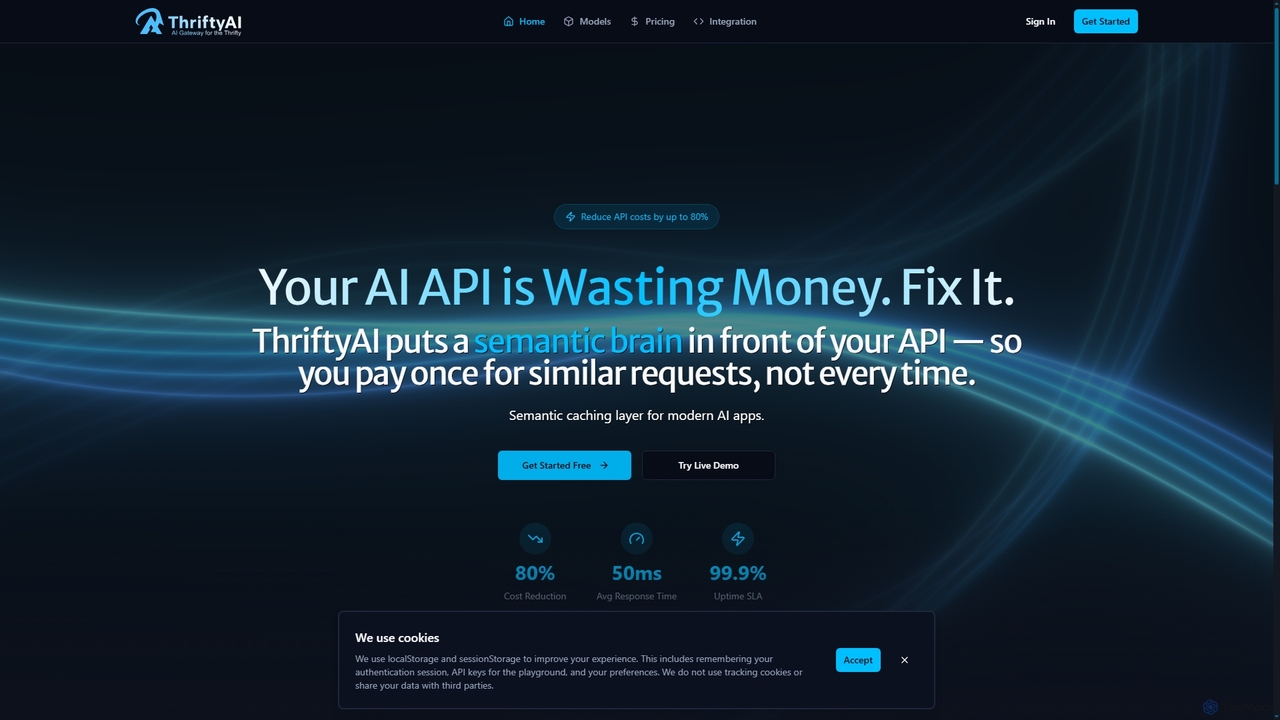
ThriftyAI is an advanced AI gateway and semantic caching layer designed to significantly reduce AI API costs by …
ThriftyAI is an advanced AI gateway and semantic caching layer designed to significantly reduce AI API costs by up to 80% and accelerate response times. It intelligently caches similar requests, masks sensitive data, and provides robust safety features, making it ideal for modern AI applications seeking efficiency and enterprise-grade security.
Xano
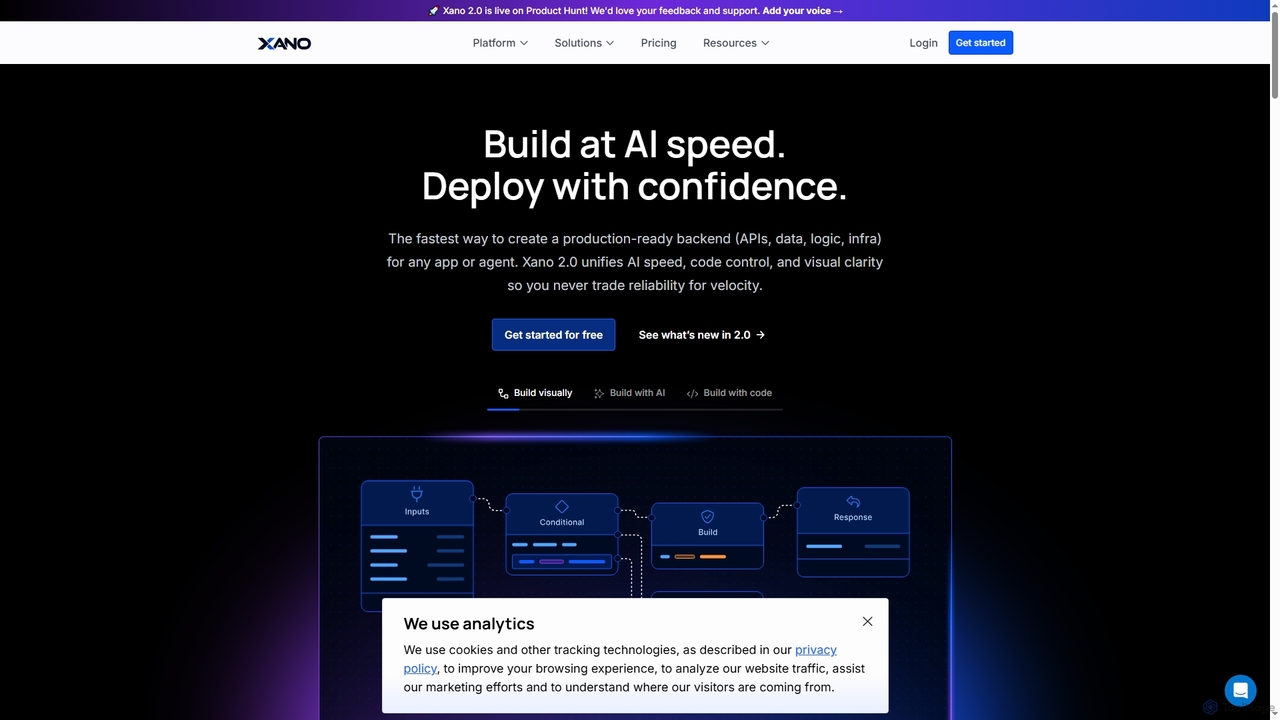
Xano is a scalable no-code backend platform that empowers developers and teams to build production-ready applications and AI …
Xano is a scalable no-code backend platform that empowers developers and teams to build production-ready applications and AI agents at speed. It provides a unified solution for APIs, a managed Postgres database, visual logic, and auto-scaling infrastructure, eliminating the need for complex DevOps.
About Api Management
Api Management tools are AI-powered platforms that oversee the entire lifecycle of Application Programming Interfaces (APIs), from design and publication to security, monitoring, and versioning. These tools leverage AI to enhance API performance, predict usage patterns, and automate security threat detection. They enable organizations to efficiently manage their API ecosystem, ensuring seamless integration, robust security, and optimal performance for internal and external developers. By centralizing API governance, they facilitate innovation and accelerate digital transformation.
Core Features
- API Gateway: Manages all API traffic, enforces policies, and handles routing, authentication, and authorization.
- Security & Access Control: Implements robust authentication, authorization, and threat protection mechanisms for APIs.
- Monitoring & Analytics: Provides real-time insights into API performance, usage, and potential issues through dashboards.
- Developer Portal: Offers a self-service platform for developers to discover, subscribe to, and test APIs easily.
- Lifecycle Management: Supports API versioning, deprecation, and updates, ensuring smooth transitions and backward compatibility.
Use Cases
Organizations utilize Api Management for exposing internal services securely to partners, enabling third-party developers to build applications on their platforms, and streamlining microservices communication within complex architectures. It's crucial for businesses building digital ecosystems or monetizing data through APIs.
How to Choose
When selecting an Api Management solution, consider its scalability to handle future growth, the breadth of security features, ease of integration with existing infrastructure, and the quality of its developer portal. Evaluate its AI capabilities for advanced analytics and automation.

Api ManagementUse Cases
Securely Exposing Internal Business Services to Partners
An enterprise needs to share its inventory data with a logistics partner while maintaining strict security and access control. Using an API Management platform, the enterprise can define granular access policies, apply robust authentication methods like OAuth, and monitor API usage in real-time. This ensures only authorized partners access specific data, preventing breaches and maintaining data integrity, while also providing clear analytics on partner consumption.
Building a Developer Ecosystem for Third-Party Integrations
A software company aims to expand its platform's functionality by allowing third-party developers to build integrations and applications. An API Management solution provides a comprehensive developer portal with clear documentation, SDKs, and a sandbox environment. This self-service approach empowers developers to easily discover, test, and subscribe to APIs, fostering a vibrant ecosystem that drives innovation and extends the platform's reach without requiring direct support for every integration.
Monetizing Data and Services through API Subscriptions
A data provider wants to offer its valuable datasets and specialized services to external clients on a subscription basis. An API Management platform enables the creation of tiered access plans, usage quotas, and billing integration. This allows the provider to define different service levels (e.g., free, premium, enterprise), enforce rate limits, and automatically charge clients based on their consumption, effectively turning their digital assets into a revenue stream with minimal operational overhead.
Managing Microservices Architecture and Internal API Governance
A large organization with a complex microservices architecture faces challenges in governing inter-service communication, ensuring consistency, and maintaining security. API Management provides a centralized control plane for all internal APIs, enforcing consistent standards for design, documentation, and security policies across teams. This streamlines development workflows, reduces integration friction between microservices, and enhances overall system reliability and maintainability by providing clear visibility and control over the internal API landscape.
Automating API Security Policies and Threat Detection with AI
As API attack surfaces grow, organizations need advanced security measures. AI-powered API Management tools can automatically analyze API traffic for anomalies, detect sophisticated threats like SQL injection or cross-site scripting, and enforce dynamic security policies in real-time. This proactive approach significantly reduces the risk of data breaches and service disruptions, allowing security teams to focus on strategic initiatives rather than manual threat hunting, thereby enhancing the overall resilience of the API infrastructure.
Optimizing API Performance and Reliability with AI-driven Insights
Ensuring high availability and low latency for APIs is critical for user experience and business operations. AI-powered API Management solutions continuously monitor API performance metrics, identify bottlenecks, and predict potential outages before they occur. By analyzing vast amounts of traffic data, AI can suggest optimal routing, caching strategies, and resource allocation, leading to improved response times, reduced downtime, and a more reliable API infrastructure that can dynamically adapt to fluctuating demand.