Pixelbin
Pixelbin is a comprehensive AI-powered platform for visual asset management and real-time image transformation. It offers a suite …
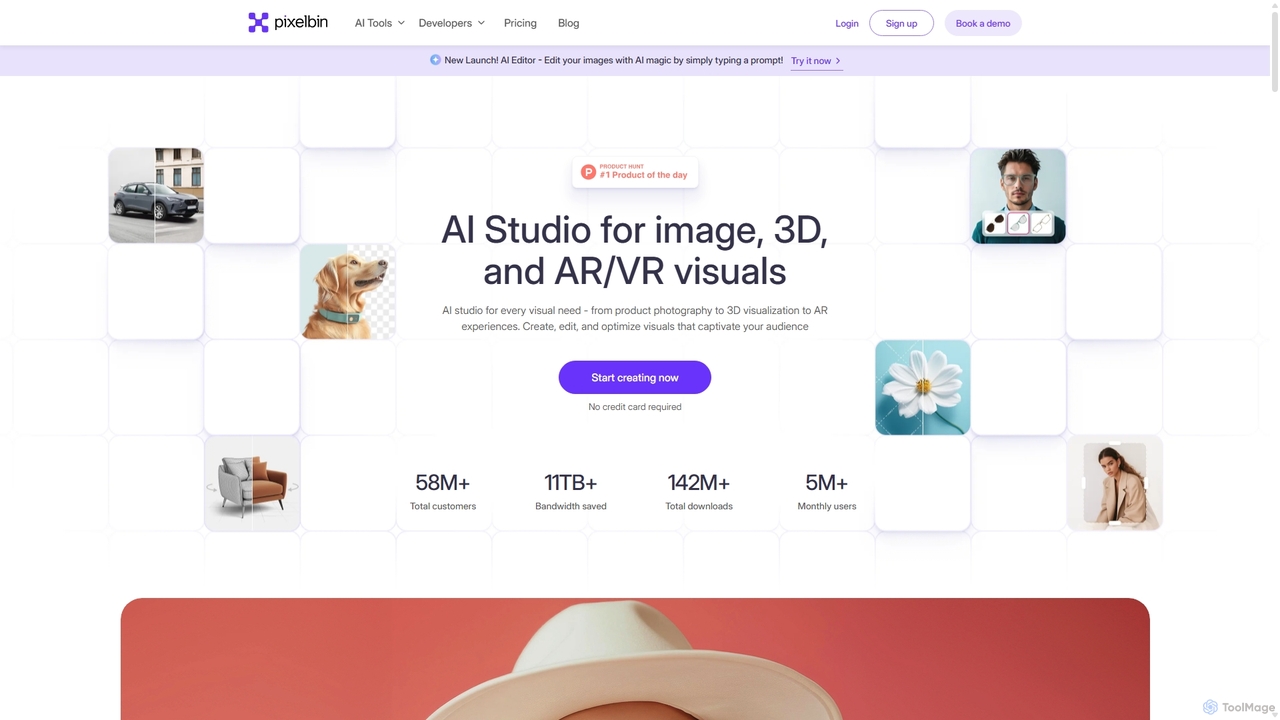
Pixelbin is a comprehensive AI-powered platform for visual asset management and real-time image transformation. It offers a suite of tools including an AI editor, background remover, image upscaler, and watermark remover, alongside a robust Digital Asset Management (DAM) system and a smart CDN. Designed for developers, marketers, and e-commerce businesses, Pixelbin streamlines the entire visual content lifecycle from creation and storage to optimization and delivery, ensuring high-quality visuals and faster performance.
About Asset Management
Asset Management tools are AI-powered solutions designed to automate and optimize the entire lifecycle of an organization's assets, from acquisition to disposal. These tools leverage machine learning and data analytics to provide real-time insights into asset performance, utilization, and maintenance needs. By enhancing decision-making and operational efficiency, AI asset management helps businesses reduce costs, mitigate risks, and maximize asset value.
Core Features
- Predictive Maintenance: Uses AI to forecast equipment failures, enabling proactive repairs and minimizing downtime.
- Automated Inventory Tracking: Employs computer vision or IoT data to monitor asset locations and quantities in real-time.
- Performance Optimization: Analyzes operational data to identify underperforming assets and suggest improvements for efficiency.
- Risk Assessment: Evaluates asset-related risks, such as obsolescence or compliance issues, and recommends mitigation strategies.
- Lifecycle Cost Analysis: Provides AI-driven insights into the total cost of ownership for assets, aiding procurement and disposal decisions.
Applicable Scenarios
AI-powered Asset Management is crucial for industries with extensive physical or digital assets. Manufacturing companies use it for predictive maintenance of machinery, reducing unexpected breakdowns. IT departments leverage it for tracking software licenses and hardware inventory, ensuring compliance and optimal resource allocation. Real estate firms apply it to manage property portfolios, optimizing maintenance schedules and tenant services.
How to Choose
When selecting an AI Asset Management tool, consider its integration capabilities with existing ERP or IoT systems, the types of assets it supports (physical, digital, financial), and its predictive analytics accuracy. Evaluate the scalability to match your organization's growth and the level of customization offered for specific industry needs. User-friendliness and robust security features are also vital for successful adoption.

Asset ManagementUse Cases
Predictive Maintenance for Factory Machinery
A manufacturing plant manager uses AI Asset Management to monitor the health of critical production machinery. Sensors on equipment feed data to the AI system, which predicts potential failures days or weeks in advance. This allows maintenance teams to schedule proactive repairs during planned downtime, preventing costly unexpected breakdowns, extending equipment lifespan, and ensuring continuous production flow, ultimately saving significant operational costs.
Automated IT Asset Tracking and Compliance
An IT administrator in a large corporation deploys AI Asset Management to gain real-time visibility into all hardware and software assets. The system automatically discovers devices, tracks software licenses, and flags non-compliant installations. This ensures that the company avoids costly licensing penalties, optimizes software usage, and efficiently allocates hardware resources, streamlining IT operations and enhancing security posture.
Intelligent Digital Asset Organization
A marketing team utilizes AI Asset Management to organize and categorize vast libraries of digital content, including images, videos, and documents. AI automatically tags assets with relevant keywords, identifies duplicates, and suggests optimal usage based on past campaign performance. This drastically reduces time spent searching for assets, improves content reuse, and ensures brand consistency across all marketing channels.
AI-Driven Fleet Performance Monitoring
A logistics company implements AI Asset Management to oversee its vehicle fleet. Telematics data from trucks is analyzed by AI to predict maintenance needs, optimize fuel consumption routes, and monitor driver behavior. This leads to reduced operational costs, fewer vehicle breakdowns, improved delivery times, and enhanced safety for drivers, maximizing the efficiency and longevity of the entire fleet.
Smart Property Maintenance Scheduling
A real estate investment firm uses AI Asset Management to manage a diverse portfolio of commercial and residential properties. The AI analyzes historical maintenance data, tenant feedback, and sensor readings to predict necessary repairs and optimize maintenance schedules. This proactive approach minimizes property downtime, improves tenant satisfaction, and preserves property value, ensuring higher returns on investment.
AI-Powered Investment Portfolio Insights
A financial analyst employs AI Asset Management to monitor and analyze the performance of various financial assets within an investment portfolio. The AI processes market data, economic indicators, and news sentiment to identify trends, assess risks, and suggest rebalancing strategies. This enables more informed investment decisions, helps mitigate potential losses, and optimizes portfolio growth in dynamic market conditions.