Audio Processing Best in category 1 results Dubbing AI Tool

Popular AI tools in the Dubbing field of Audio Processing include LipSync Studio, etc., helping you quickly improve efficiency.

LipSync Studio

LipSync Studio

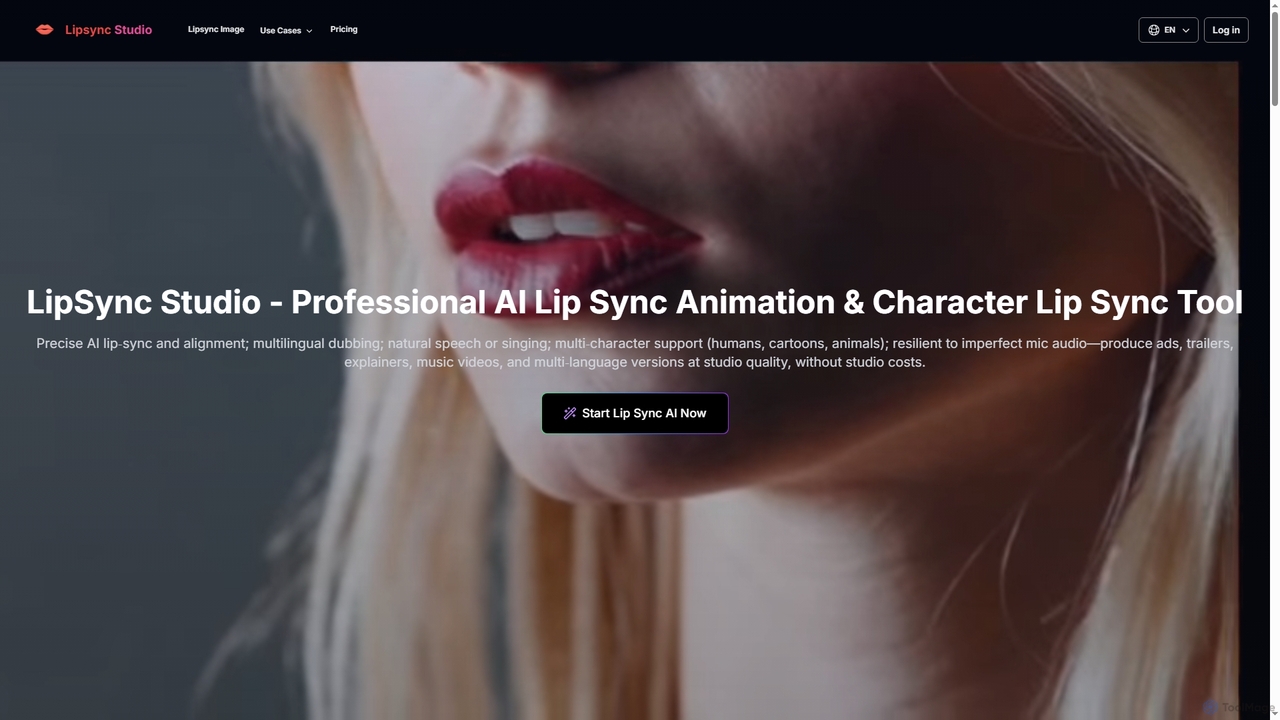
LipSync Studio is an advanced AI tool for creating professional lip-sync animations and character lip-sync videos. It supports …

95.5K

About Dubbing

AI Dubbing tools are specialized AI-powered solutions designed to replace original spoken audio in videos or audio tracks with new voices, often in different languages, while maintaining synchronization. These tools leverage advanced speech synthesis, natural language processing, and sometimes lip-syncing technologies to create highly realistic and contextually appropriate voiceovers. They enable content creators, filmmakers, and businesses to localize their media efficiently, reaching global audiences without the need for traditional, time-consuming manual dubbing processes.

Core Features

  • Multi-language Synthesis: Generate voiceovers in numerous languages with native-speaker quality.
  • Voice Cloning & Customization: Replicate existing voices or create unique AI voices with adjustable parameters like pitch, speed, and emotion.
  • Lip-Sync Technology: Automatically adjust synthesized speech to match the on-screen speaker's lip movements for a more natural viewing experience.
  • Emotion & Intonation Control: Fine-tune the emotional tone and speech patterns to convey the intended message accurately.
  • Background Audio Preservation: Seamlessly integrate new dialogue while preserving original background music and sound effects.

Use Cases

AI dubbing tools are invaluable for media localization, allowing production studios to quickly adapt films, TV series, and documentaries for international release. E-learning platforms utilize them to translate educational content into multiple languages, making courses accessible to a wider student base. Corporate training departments employ these tools to localize internal videos and presentations for diverse global teams, ensuring consistent messaging across different regions.

How to Choose

When selecting an AI dubbing tool, consider the range and quality of supported languages, the naturalness and emotional expressiveness of the synthesized voices, and the accuracy of its lip-syncing capabilities. Evaluate its integration options with existing video editing software, the flexibility of voice customization, and the pricing model based on usage volume. Also, assess the tool's ability to handle complex audio layers and preserve original soundscapes.

DubbingUse Cases

1

Localizing Film and TV Series

Production studios use AI dubbing to translate dialogue for movies and TV shows into multiple languages, ensuring cultural nuances are maintained and lip movements are synchronized. This drastically reduces post-production time and costs for global distribution, allowing content to reach international audiences faster and more efficiently than traditional methods.

2

Creating Multilingual E-learning Content

Educational institutions and online course providers employ AI dubbing to convert lectures, tutorials, and training videos into various languages. This makes learning materials accessible to a diverse international student body without the need to hire numerous voice actors, significantly expanding their reach and impact globally.

3

Adapting Corporate Training Videos for Global Teams

Multinational corporations utilize AI dubbing to translate internal training modules, onboarding videos, and corporate communications into the native languages of their employees worldwide. This ensures consistent understanding and engagement across different regions, fostering a unified corporate culture and improving training effectiveness for diverse global teams.

4

Producing International Marketing and Advertisement Campaigns

Marketing agencies leverage AI dubbing to quickly create localized versions of video advertisements and promotional content for different markets. This allows brands to connect with target audiences in their preferred language while maintaining brand voice and message, leading to higher engagement and conversion rates in global campaigns.

5

Enhancing Accessibility for Video Content

Content creators and broadcasters use AI dubbing to provide alternative audio tracks for visually impaired audiences or those who prefer consuming content in a different language. This significantly improves accessibility and reach for their video productions, ensuring a wider and more inclusive audience can engage with their material.

6

Developing Multilingual Video Game Dialogue

Game developers integrate AI dubbing into their localization pipelines to generate character dialogue in various languages. This enables a more immersive experience for players worldwide and accelerates the release of games in new markets, reducing the manual effort and time traditionally required for extensive voice acting in multiple languages.

DubbingFrequently Asked Questions