Authentication Best in category 1 results Security AI Tool

Popular AI tools in the Security field of Authentication include Starbase, etc., helping you quickly improve efficiency.

Starbase

Starbase

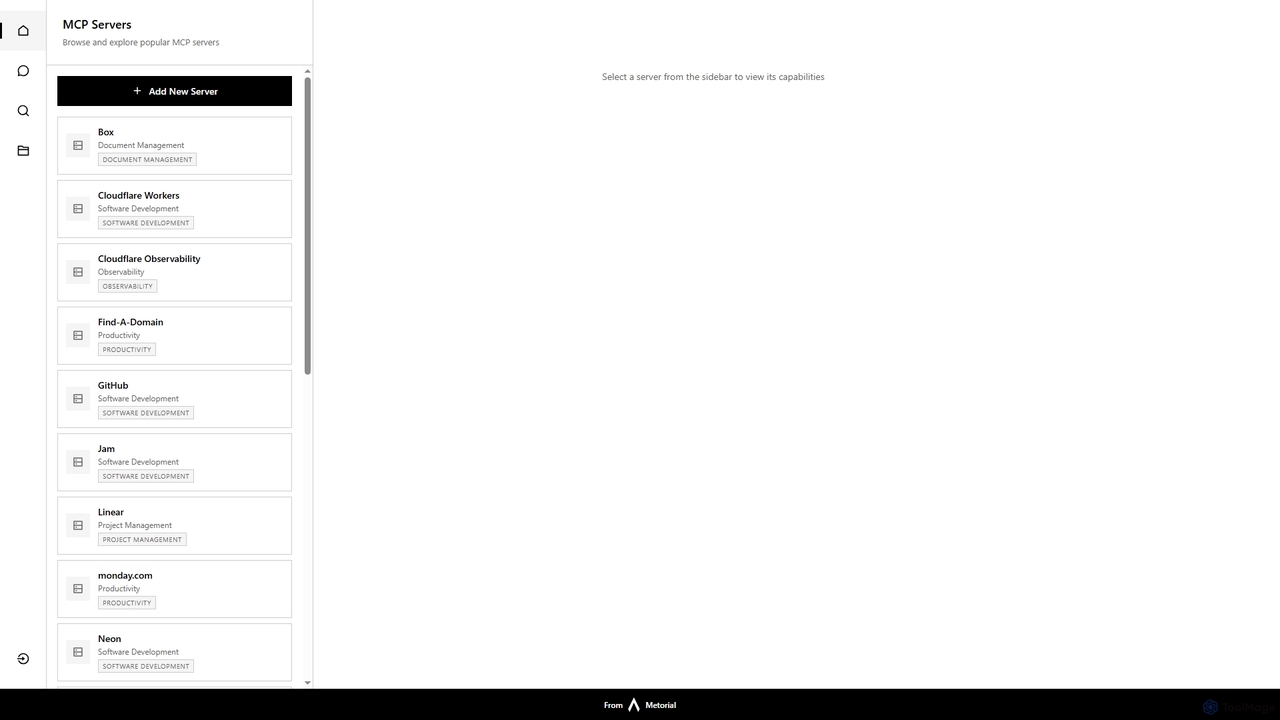
Starbase by Metorial is a comprehensive platform designed to centralize the browsing, exploration, and management of various popular …

2.3K

About Security

AI Security tools are specialized solutions that leverage artificial intelligence to protect digital assets, systems, and data from cyber threats. As a critical component within the broader field of authentication and access management, these tools enhance traditional security measures by proactively identifying, analyzing, and responding to vulnerabilities and attacks. They provide advanced capabilities for threat detection, anomaly identification, and automated incident response, ensuring robust protection against evolving cyber risks and safeguarding user identities and data.

Core Features

  • Advanced Threat Detection: Utilizes machine learning to identify sophisticated malware, phishing attempts, and zero-day exploits that traditional methods might miss.
  • Behavioral Analytics: Monitors user and system behavior to detect anomalies indicative of insider threats or compromised accounts.
  • Automated Incident Response: Triggers immediate, predefined actions to contain and mitigate security incidents without human intervention.
  • Vulnerability Management: Scans for and prioritizes software vulnerabilities, misconfigurations, and compliance gaps across the IT infrastructure.
  • Fraud Detection: Analyzes transaction patterns and user data to identify and prevent fraudulent activities in real-time.

Applicable Scenarios

AI Security tools are indispensable for organizations facing complex and dynamic cyber threats. They are widely adopted by cybersecurity teams in enterprises to enhance their Security Operations Centers (SOCs), by financial institutions to combat fraud, and by cloud service providers to secure vast infrastructures. These tools automate routine tasks, allowing security analysts to focus on strategic threat intelligence and complex investigations.

How to Choose

When selecting AI Security tools, consider the scope of protection (endpoint, network, cloud), integration capabilities with existing security infrastructure, and the accuracy of threat detection to minimize false positives. Evaluate the level of automation for incident response, the scalability to meet future demands, and the vendor's expertise in AI and cybersecurity. Prioritize solutions that offer comprehensive reporting and compliance features.

SecurityUse Cases

1

Real-time Anomaly Detection in Network Traffic

A network security analyst uses AI Security tools to continuously monitor network traffic for unusual patterns or behaviors that could indicate a cyberattack, such as a DDoS attack or data exfiltration. The AI system learns normal network baselines and flags deviations, enabling the analyst to quickly investigate and respond to potential threats before they escalate, significantly reducing detection time from hours to minutes.

2

Automated Malware Analysis and Remediation

A security operations center (SOC) team leverages AI Security tools to automatically analyze suspicious files and URLs submitted by users or detected by endpoint protection. The AI rapidly determines if a file is malicious, identifies its characteristics, and suggests or executes remediation actions like quarantining the file or blocking access. This automation drastically reduces the manual effort and time required for malware analysis, improving the SOC's response efficiency by up to 70%.

3

Proactive Vulnerability Scanning and Prioritization

An IT security manager employs AI-driven vulnerability management tools to regularly scan the organization's entire IT infrastructure, including servers, applications, and network devices. The AI not only identifies vulnerabilities but also prioritizes them based on exploitability, potential impact, and asset criticality, providing actionable insights. This allows the manager to allocate resources effectively, focusing on the most critical risks first and reducing the overall attack surface by 40%.

4

Enhanced Fraud Detection in Financial Transactions

A fraud prevention team at a bank utilizes AI Security solutions to analyze millions of daily financial transactions for suspicious patterns indicative of credit card fraud, money laundering, or account takeover. The AI models learn from historical data and adapt to new fraud techniques, identifying anomalies in real-time that human analysts might miss. This significantly reduces financial losses due to fraud by detecting and blocking fraudulent transactions with over 95% accuracy.

5

Securing Cloud Environments with AI-driven Monitoring

A cloud architect implements AI Security tools to continuously monitor their dynamic cloud infrastructure (IaaS, PaaS, SaaS) for misconfigurations, unauthorized access attempts, and compliance violations. The AI provides a unified view of security posture across multiple cloud services, automatically identifies deviations from security policies, and can trigger automated remediation actions. This ensures continuous compliance and reduces the risk of data breaches in complex cloud environments by 30%.

6

Insider Threat Detection and Prevention

A corporate security team uses AI Security tools to analyze employee behavior, access patterns, and data usage across various systems. The AI establishes baselines for normal activity and flags unusual actions, such as an employee accessing sensitive files outside working hours or attempting to download large volumes of data. This proactive monitoring helps detect potential insider threats, whether malicious or accidental, allowing the team to intervene early and prevent data loss or intellectual property theft.

SecurityFrequently Asked Questions