Business Best in category 2 results Chatbots AI Tool

Popular AI tools in the Chatbots field of Business include My Main AI、langsaas, etc., helping you quickly improve efficiency.

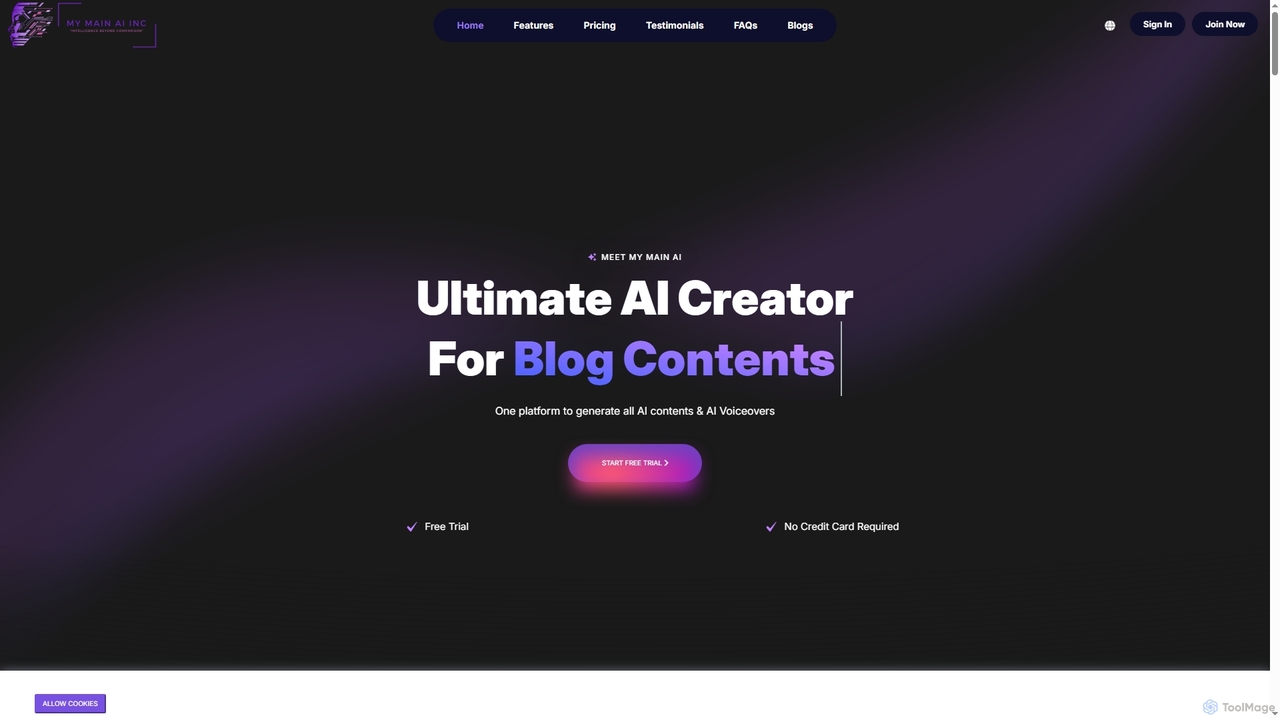
My Main AI

My Main AI

My Main AI is an all-in-one AI platform designed to accelerate content creation, image generation, voiceovers, speech-to-text, and …

4.0K
langsaas

langsaas

A no-code platform for building, deploying, and managing custom AI applications powered by Large Language Models (LLMs). Effortlessly …

2.6K

About Chatbots

Chatbots are AI-powered conversational agents designed to simulate human-like interactions through text or voice. Leveraging natural language processing (NLP) and machine learning, these tools can understand user intent, provide instant responses, and automate a wide range of tasks. They serve as virtual assistants, enhancing customer service, streamlining internal operations, and improving user engagement across various digital platforms.

Core Features

  • Natural Language Understanding (NLU): Interprets and understands user queries in natural language, regardless of phrasing variations.
  • Automated Dialogue Management: Guides conversations, provides relevant information, and executes tasks based on predefined flows or AI reasoning.
  • Multi-channel Deployment: Operates across websites, messaging apps (e.g., WhatsApp, Messenger), social media, and voice assistants.
  • Integration Capabilities: Connects seamlessly with CRM, ERP, ticketing systems, and other business applications for data exchange.
  • Personalization: Adapts responses and recommendations based on user history, preferences, and context.

Applicable Scenarios

Chatbots are widely adopted in customer support to handle frequently asked questions, resolve common issues, and route complex queries to human agents. In sales and marketing, they engage website visitors, qualify leads, and provide personalized product recommendations. Businesses also deploy them for internal HR support, automating responses to employee queries about policies, benefits, and IT issues.

How to Choose

When selecting an AI chatbot, evaluate its natural language understanding accuracy and support for required languages. Consider its integration capabilities with your existing business systems (CRM, helpdesk) to ensure seamless data flow. Assess scalability to handle varying user volumes and the ease of customization and training to align with your specific brand voice and knowledge base. Finally, compare pricing models and deployment options (cloud-based vs. on-premise).

ChatbotsUse Cases

1

Automating Customer Service Inquiries

E-commerce businesses can deploy AI chatbots on their websites or messaging apps to instantly answer common customer questions about order status, shipping, returns, and product details. This reduces the workload on human support agents, provides 24/7 assistance, and improves customer satisfaction by offering immediate resolutions without waiting times.

2

Qualifying and Nurturing Sales Leads

Sales and marketing teams use chatbots to engage website visitors, ask qualifying questions (e.g., budget, needs, timeline), and collect contact information. The chatbot can then provide relevant information, schedule demo calls, or pass warm leads directly to sales representatives, significantly streamlining the lead generation and nurturing process.

3

Providing Internal HR and IT Support

Large organizations utilize chatbots to serve as virtual HR assistants, answering employee questions about company policies, benefits, payroll, and leave requests. Similarly, IT departments can use chatbots to troubleshoot common technical issues, guide employees through password resets, or escalate complex IT problems, freeing up support staff.

4

Delivering Personalized Product Recommendations

Retailers and online stores can integrate chatbots to act as personal shopping assistants. By asking users about their preferences, style, and needs, the chatbot can analyze product catalogs and offer tailored recommendations, enhancing the shopping experience and potentially increasing conversion rates by guiding customers to relevant items.

5

Streamlining Booking and Appointment Scheduling

Service-based businesses, such as clinics, salons, or consulting firms, can use chatbots to automate the booking process. Users can interact with the chatbot to check availability, select preferred dates and times, and confirm appointments, reducing administrative overhead and providing a convenient self-service option for clients.

6

Gathering Feedback and Conducting Surveys

Companies can deploy chatbots to collect customer feedback after a service interaction or to conduct market research surveys. Chatbots can engage users in a conversational manner, making the survey process more interactive and less tedious, leading to higher response rates and more valuable insights for business improvement.

ChatbotsFrequently Asked Questions