Business Best in category 3 results Customer Engagement AI Tool

Popular AI tools in the Customer Engagement field of Business include Myqrcode、Velt、TapGet, etc., helping you quickly improve efficiency.

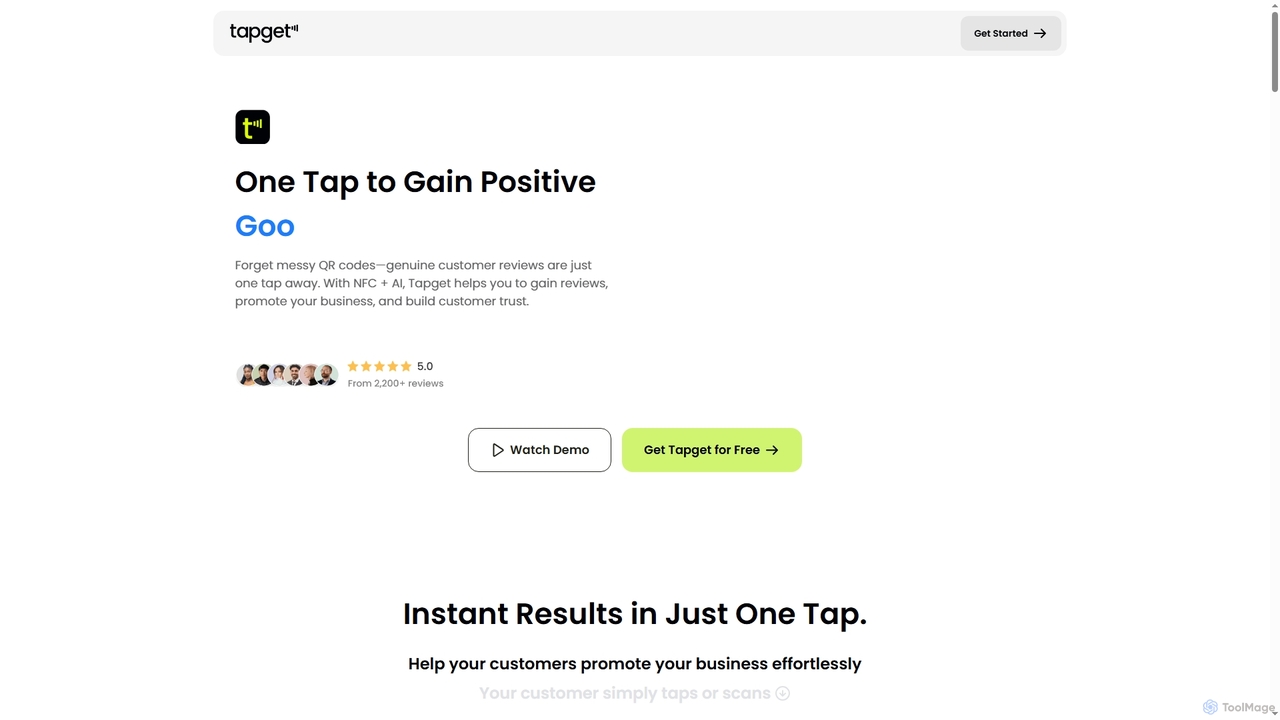
TapGet

TapGet

TapGet is an innovative smart marketing tool leveraging NFC and AI to help local businesses effortlessly gather positive …

3.2K
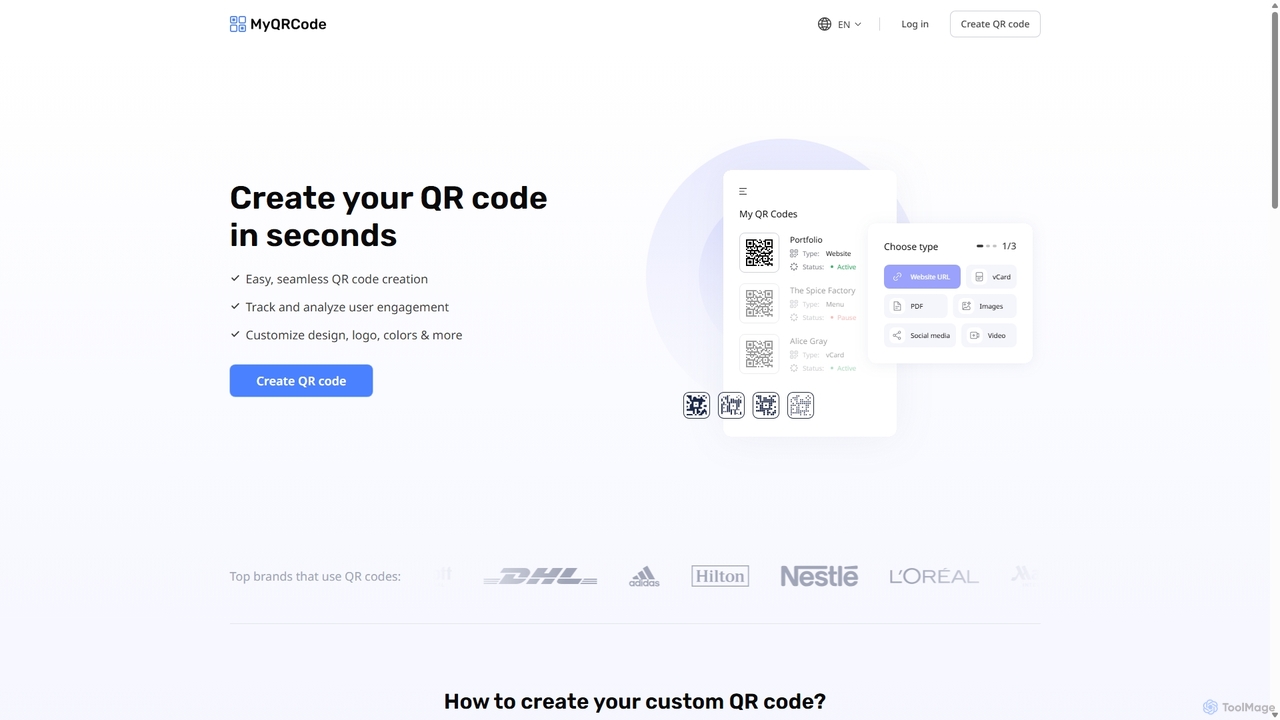
Myqrcode

Myqrcode

An advanced QR code generator that allows you to create, customize, and track dynamic QR codes. Turn any …

827.3K
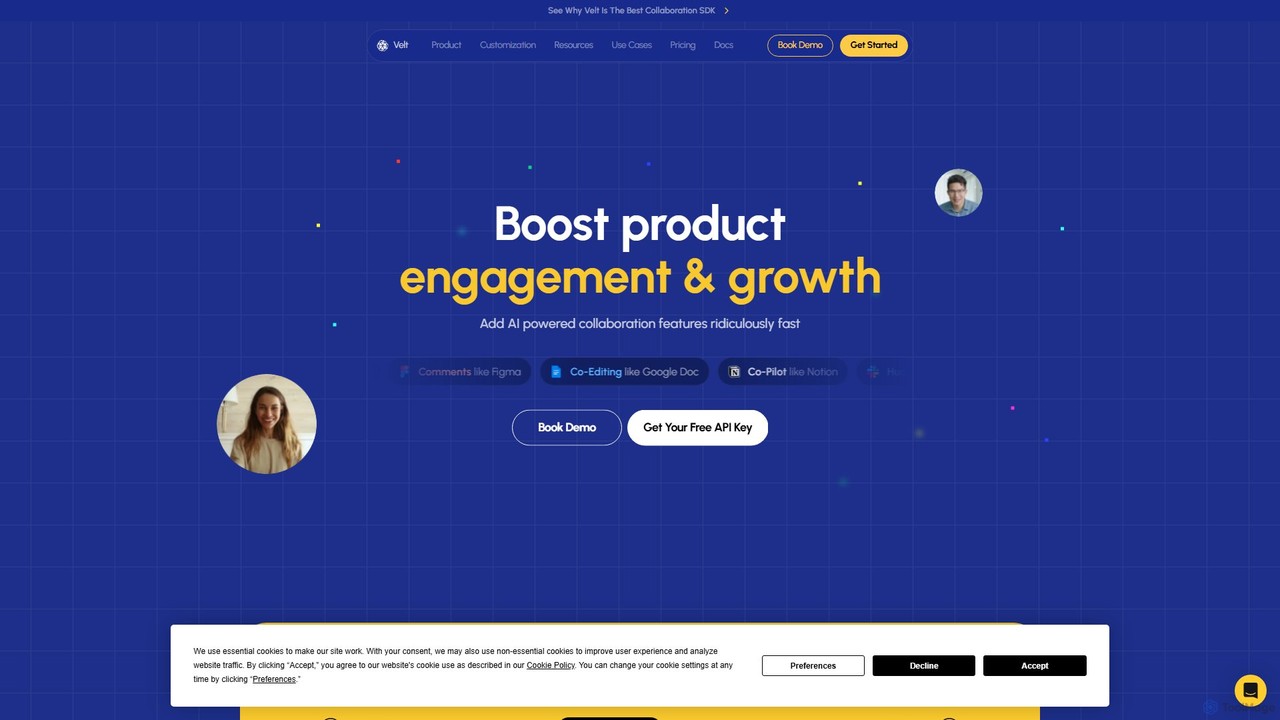
Velt

Velt

Velt is an AI-powered SDK for developers to rapidly integrate rich collaboration features like comments, co-editing, and live …

17.9K

About Customer Engagement

AI Customer Engagement tools are a class of software designed to create personalized, proactive, and meaningful interactions with customers at scale. These platforms leverage machine learning, natural language processing (NLP), and predictive analytics to understand user behavior and intent across various touchpoints. Their primary value lies in automating communication, personalizing user journeys, and anticipating customer needs, which helps businesses build stronger relationships and increase loyalty. This data-driven approach allows companies to move beyond reactive support to orchestrate intelligent, context-aware customer experiences.

Core Features

  • AI-Powered Chatbots & Voicebots: Provide instant, 24/7 support and guidance on websites, apps, and messaging platforms.
  • Predictive Analytics: Forecast customer behavior, such as churn risk, purchase intent, or lifetime value.
  • Personalization Engines: Dynamically tailor content, product recommendations, and offers for individual users.
  • Omnichannel Orchestration: Ensure a seamless and consistent customer experience across email, social media, SMS, and in-app channels.
  • Sentiment Analysis: Automatically gauge customer emotions from text or voice feedback to prioritize issues.

Use Cases

These tools are widely used in industries like e-commerce, SaaS, finance, and travel. Marketing teams use them to run hyper-personalized campaigns, customer success managers leverage them for automated user onboarding and retention, and support teams deploy them to scale their operations and improve customer satisfaction.

How to Choose

When selecting an AI Customer Engagement tool, consider its integration capabilities with your existing CRM and marketing stack. Evaluate the depth of its analytics and reporting features. Assess the level of customization available for workflows and communication, and ensure it supports all the channels where your customers are active. Finally, consider its scalability to grow with your user base.

Customer EngagementUse Cases

1

Automated User Onboarding for SaaS

A Customer Success Manager at a SaaS company needs to ensure new users understand the product's value quickly to prevent early churn. Using an AI Customer Engagement tool, they design an automated onboarding sequence. The tool tracks user actions in real-time. When a user signs up, it triggers a series of personalized in-app guides, contextual tooltips, and targeted emails based on which features they have or haven't used. For example, if a user hasn't created their first project after 24 hours, the system automatically sends an email with a helpful video tutorial. This proactive guidance significantly increases user activation rates and reduces the manual workload on the success team.

2

Proactive Cart Abandonment Reduction in E-commerce

An e-commerce store manager notices a high cart abandonment rate, especially at the checkout page. They implement an AI engagement tool that monitors user behavior. When the AI detects a user hesitating on the payment page for more than 60 seconds or moving their cursor towards the exit button, it triggers a proactive chat window. The AI chatbot can offer immediate assistance, answer common questions about shipping or returns, or even provide a small, time-sensitive discount code to encourage completion of the purchase. This real-time intervention helps resolve customer doubts, creates a sense of urgency, and effectively recovers sales that would otherwise be lost.

3

Personalized Financial Product Recommendations

A digital marketing manager at a bank wants to increase the adoption of new investment products. Instead of sending a generic email blast to all customers, they use an AI engagement platform. The platform analyzes each customer's transaction history, savings patterns, and stated financial goals from their profile. Based on this data, the AI segments customers and sends highly personalized messages. For example, a young professional saving aggressively might receive an email about a high-growth mutual fund, while a customer nearing retirement gets information about a low-risk bond fund. This targeted approach results in much higher open rates, click-through rates, and ultimately, more new investment accounts opened.

4

Real-time Travel Disruption Management

An airline's operations team faces a sudden flight cancellation due to weather. Using an AI engagement platform integrated with their booking system, they can manage customer communications efficiently. The system automatically identifies all affected passengers. It then initiates omnichannel outreach: an SMS with the critical alert, an email with detailed rebooking options, and a push notification to their mobile app. A dedicated AI chatbot is activated on their website and app to handle the surge in inquiries, answering questions about refunds, alternative flights, and hotel vouchers. This automated, multi-channel approach significantly reduces call center volume and keeps passengers informed, mitigating frustration during a stressful event.

5

Scaling Customer Support with AI Chatbots

A rapidly growing online retailer's support team is overwhelmed with repetitive inquiries about order status, return policies, and product specifications. They deploy an AI chatbot on their website and messaging channels. The chatbot is trained on the company's knowledge base and integrated with the order management system. It can instantly answer over 80% of common questions, providing tracking numbers and explaining return procedures 24/7. For complex issues or frustrated customers (identified through sentiment analysis), the chatbot seamlessly transfers the conversation to a human agent, along with the full chat history. This frees up human agents to focus on high-value, complex problems, improving both efficiency and customer satisfaction.

6

Predicting and Preventing Customer Churn

A subscription-based streaming service wants to proactively reduce its churn rate. Their customer success team uses an AI engagement platform with predictive analytics capabilities. The AI model analyzes various data points for each user, such as login frequency, content consumption patterns, support ticket history, and recent payment issues. It then assigns a 'churn risk score' to every customer. The platform automatically enrolls high-risk customers into a 'retention workflow'. This could involve sending them a personalized email highlighting new content relevant to their interests, offering a temporary discount, or prompting an in-app survey to gather feedback. By identifying at-risk users before they cancel, the company can take targeted actions to retain them.

Customer EngagementFrequently Asked Questions