Business Best in category 4 results Financial Services AI Tool

Popular AI tools in the Financial Services field of Business include Casca、insightfol、STRATxAI、Allmind AI, etc., helping you quickly improve efficiency.

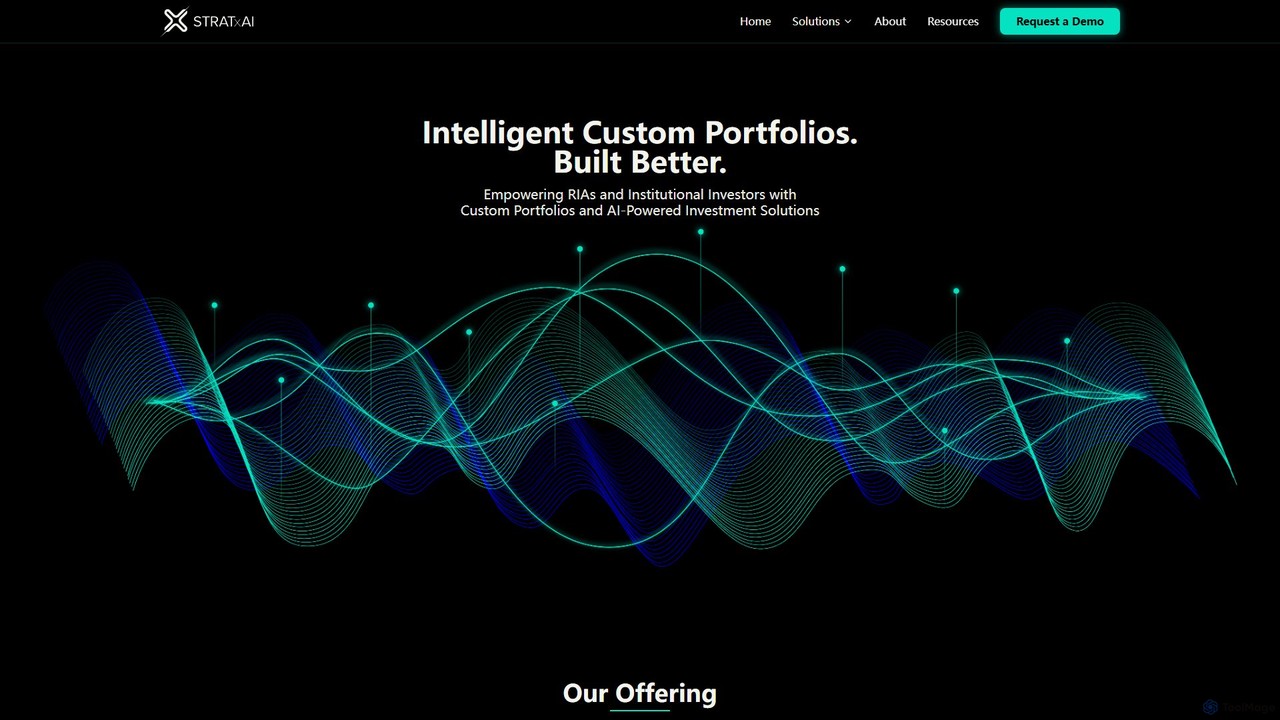
STRATxAI

STRATxAI

STRATxAI is an AI-powered investment platform for RIAs, TAMPs, and asset managers. It provides custom model portfolios, quantitative …

4.6K
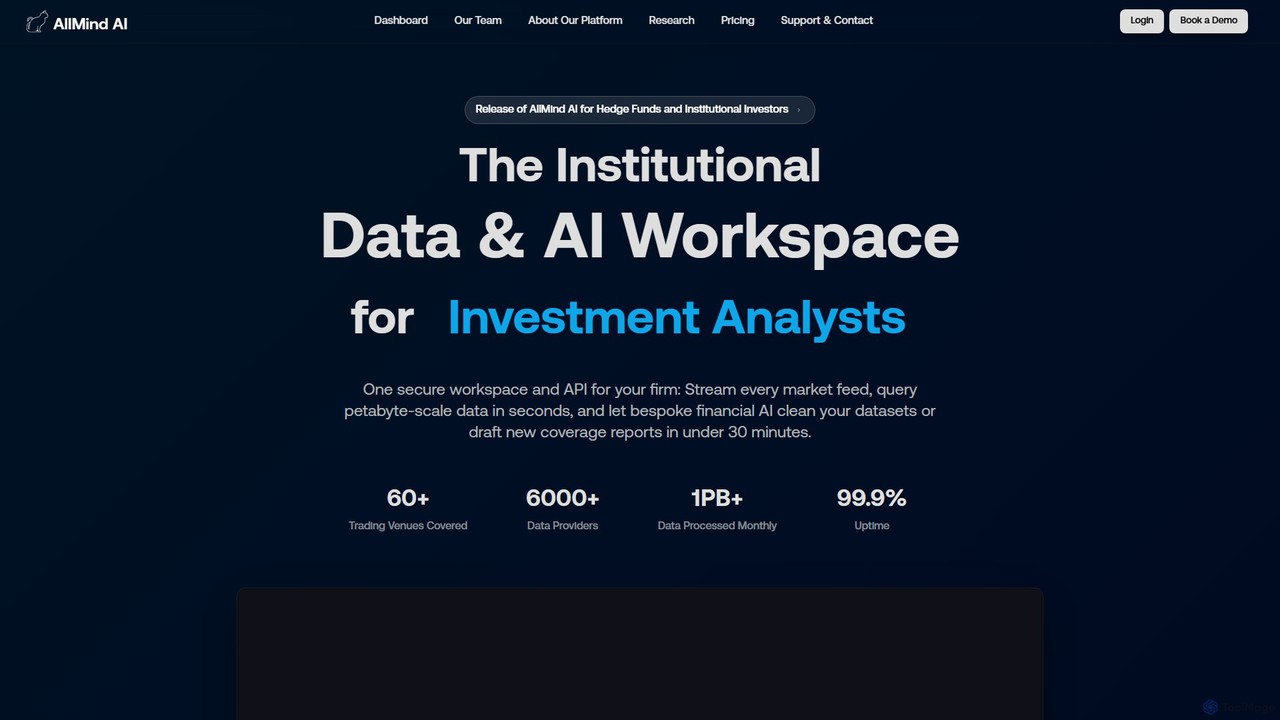
Allmind AI

Allmind AI

Allmind AI is an institutional-grade data and AI workspace for financial professionals. It integrates data from over 6,000 …

3.1K
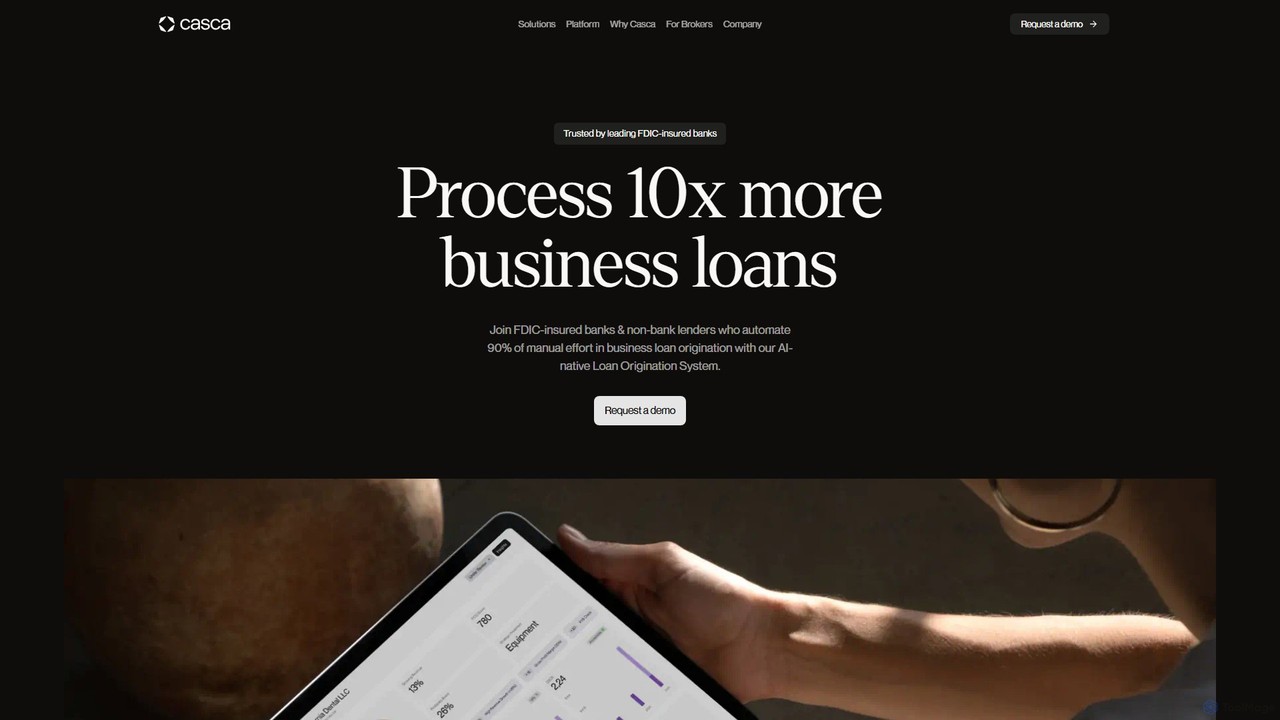
Casca

Casca

Casca is an AI-powered lending platform designed for banks and financial institutions to modernize their business loan origination …

19.2K
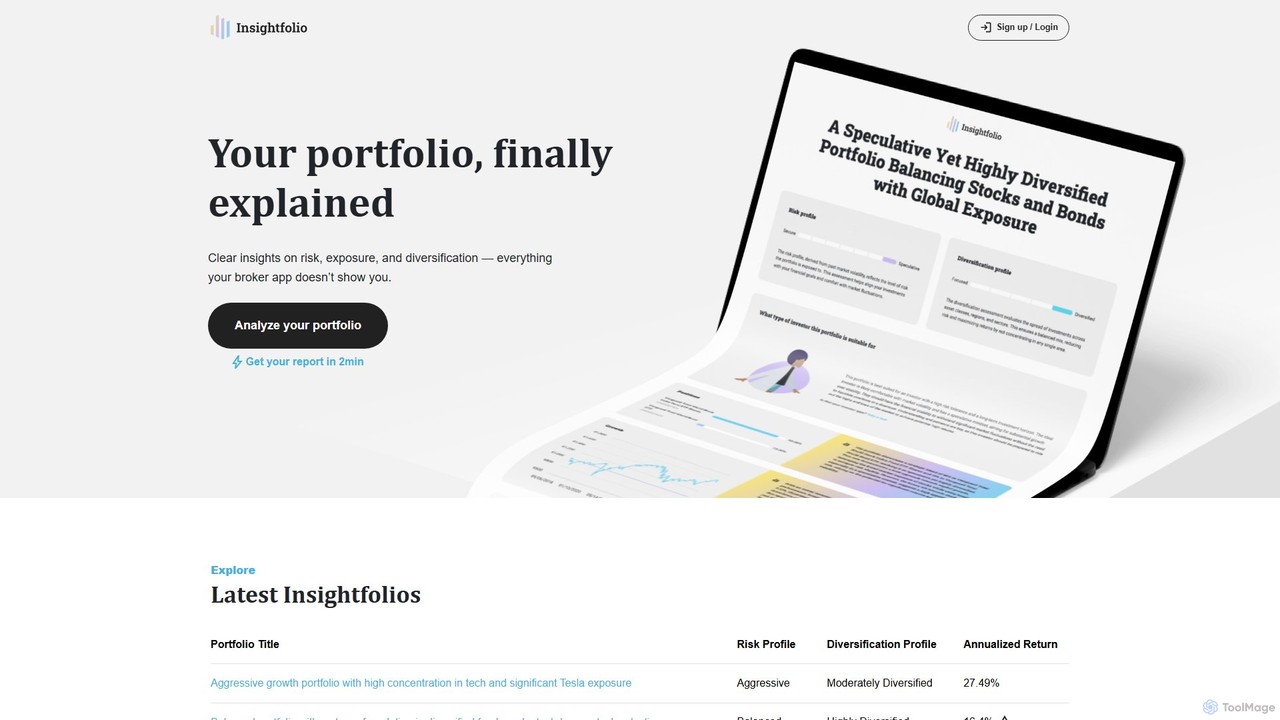
insightfol

insightfol

insightfol is an AI-powered investment analysis tool that provides clear, actionable insights into your portfolio. It demystifies complex …

5.1K

About Financial Services

Financial Services AI tools are specialized applications that leverage artificial intelligence to transform various aspects of the financial industry. These tools utilize machine learning, natural language processing, and advanced analytics to automate complex processes, enhance decision-making, and personalize client interactions. They provide data-driven insights, improve operational efficiency, and strengthen risk management across banking, investment, insurance, and fintech sectors. This integration helps financial institutions innovate and meet evolving market demands.

Core Features

  • Automated Risk Assessment: Analyzes vast datasets to identify potential financial risks, assess creditworthiness, and predict market volatility with high accuracy.
  • Fraud Detection & Prevention: Employs machine learning algorithms to detect unusual patterns and anomalies in transactions, flagging potential fraudulent activities in real-time.
  • Algorithmic Trading: Executes trades based on complex mathematical models and real-time market data, optimizing investment strategies and maximizing returns.
  • Personalized Financial Advice: Utilizes AI to analyze individual financial data and provide tailored investment recommendations, budget planning, and wealth management strategies.
  • Regulatory Compliance Automation: Automates the monitoring and reporting of financial transactions to ensure adherence to complex regulatory requirements, reducing human error.

Use Cases

Financial institutions, investment firms, insurance companies, and fintech startups utilize AI in financial services to streamline operations and gain competitive advantages. For example, banks deploy AI chatbots for 24/7 customer support, while investment managers use AI for predictive market analysis. Insurance providers leverage AI for faster claims processing and personalized policy recommendations, enhancing both efficiency and customer satisfaction.

How to Choose

When selecting Financial Services AI tools, consider the specific financial domain (e.g., banking, insurance, investment) and the scale of operations. Evaluate the tool's data integration capabilities with existing systems, its compliance features for relevant regulations (e.g., GDPR, AML), and the accuracy of its predictive models. User-friendliness, vendor support, and scalability for future growth are also crucial factors.

Financial ServicesUse Cases

1

Automating Real-time Fraud Detection in Banking

Bank security teams use AI tools to monitor millions of transactions instantly, identifying suspicious patterns that human analysts might miss. By leveraging machine learning, these tools can flag unusual spending habits, location discrepancies, or transaction frequencies, significantly reducing financial losses from fraud and enhancing customer trust. This allows banks to respond to threats proactively, often before a fraudulent transaction is completed.

2

Personalized Investment Portfolio Management

Financial advisors and individual investors utilize AI-powered platforms to analyze personal financial goals, risk tolerance, and market trends. These tools generate customized investment portfolios, rebalance assets automatically, and provide real-time advice on market shifts. This enables more informed decision-making, helps optimize returns, and adapts strategies to changing economic conditions, catering to diverse client needs.

3

Enhancing Customer Service with AI Chatbots

Financial institutions deploy AI chatbots on their websites and mobile apps to provide instant 24/7 customer support. These chatbots can answer common queries about account balances, transaction history, loan applications, and product information, freeing up human agents for more complex issues. This improves customer satisfaction by offering immediate assistance and reduces operational costs for support centers.

4

Predictive Analytics for Credit Risk Assessment

Lenders and credit companies employ AI to analyze vast amounts of applicant data, including credit history, income, and behavioral patterns, to accurately assess credit risk. AI models can predict the likelihood of default with greater precision than traditional methods, leading to more informed lending decisions, reduced bad debt, and fairer access to credit for a wider range of applicants.

5

Streamlining Regulatory Compliance (RegTech)

Compliance officers in financial firms use AI-driven RegTech solutions to monitor transactions, communications, and market activities for adherence to complex and evolving regulations like AML (Anti-Money Laundering) and KYC (Know Your Customer). These tools automate reporting, identify potential violations, and reduce the manual effort required for compliance, minimizing regulatory fines and reputational damage.

6

Optimizing Algorithmic Trading Strategies

Quantitative traders and hedge funds leverage AI to develop and refine complex algorithmic trading strategies. AI models analyze real-time market data, news sentiment, and historical patterns to identify profitable trading opportunities and execute high-frequency trades with minimal latency. This allows for rapid adaptation to market changes, optimizing trade execution and potentially generating higher returns.

Financial ServicesFrequently Asked Questions