Business Best in category 3 results Internationalization AI Tool

Popular AI tools in the Internationalization field of Business include Prismy、Locutio、Globify, etc., helping you quickly improve efficiency.

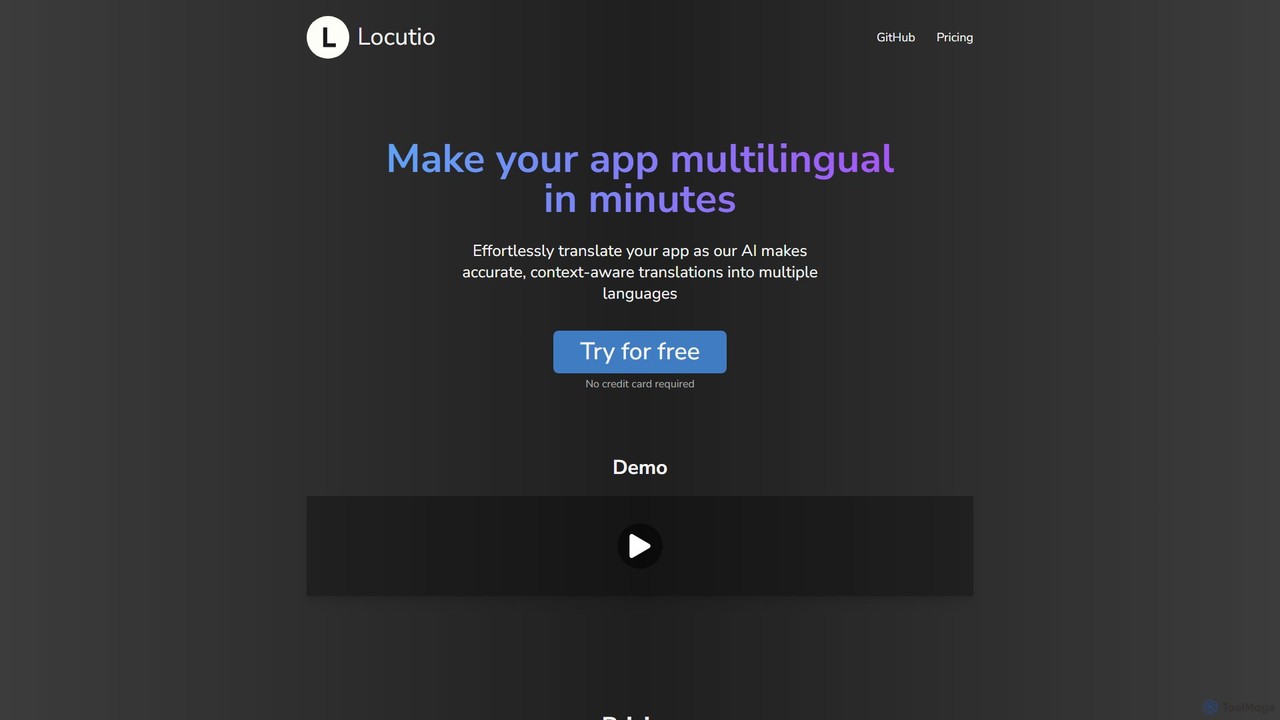
Locutio

Locutio

Locutio is an AI-powered platform that enables developers and businesses to make their applications multilingual in minutes. It …

3.1K
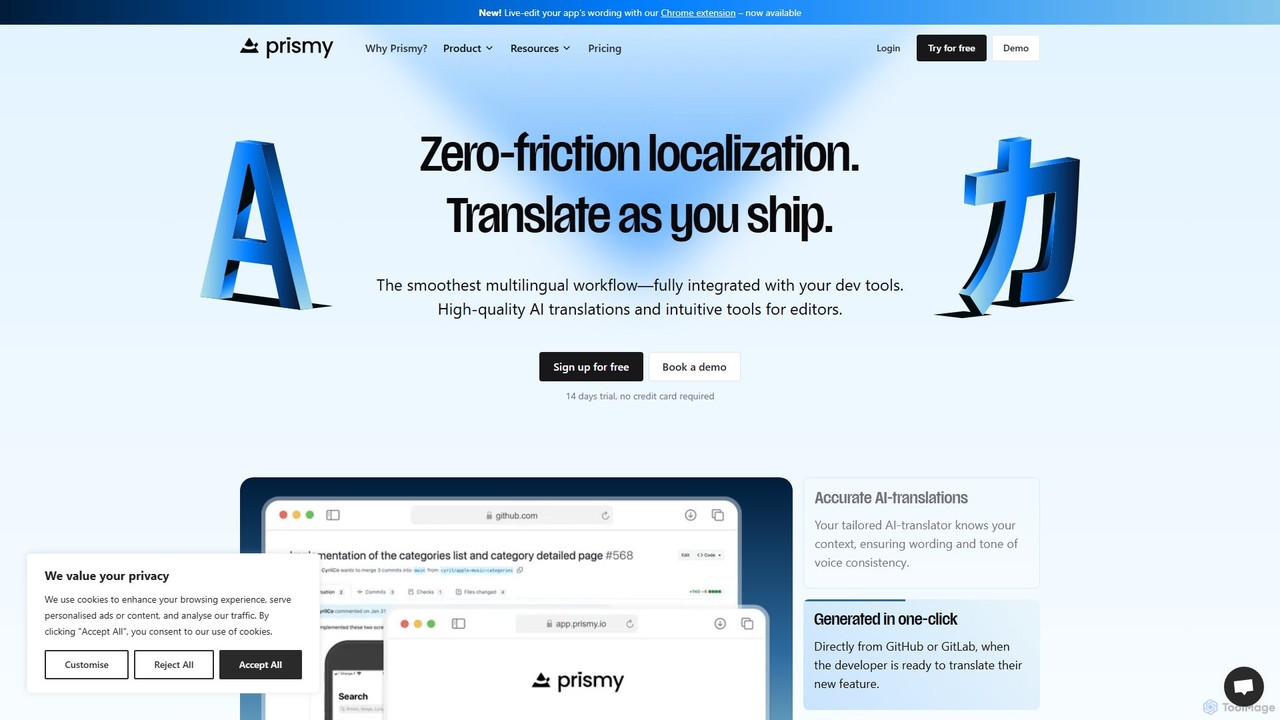
Prismy

Prismy

Prismy is a modern, AI-powered localization platform designed for fast-shipping software teams. It streamlines the entire translation workflow …

4.3K
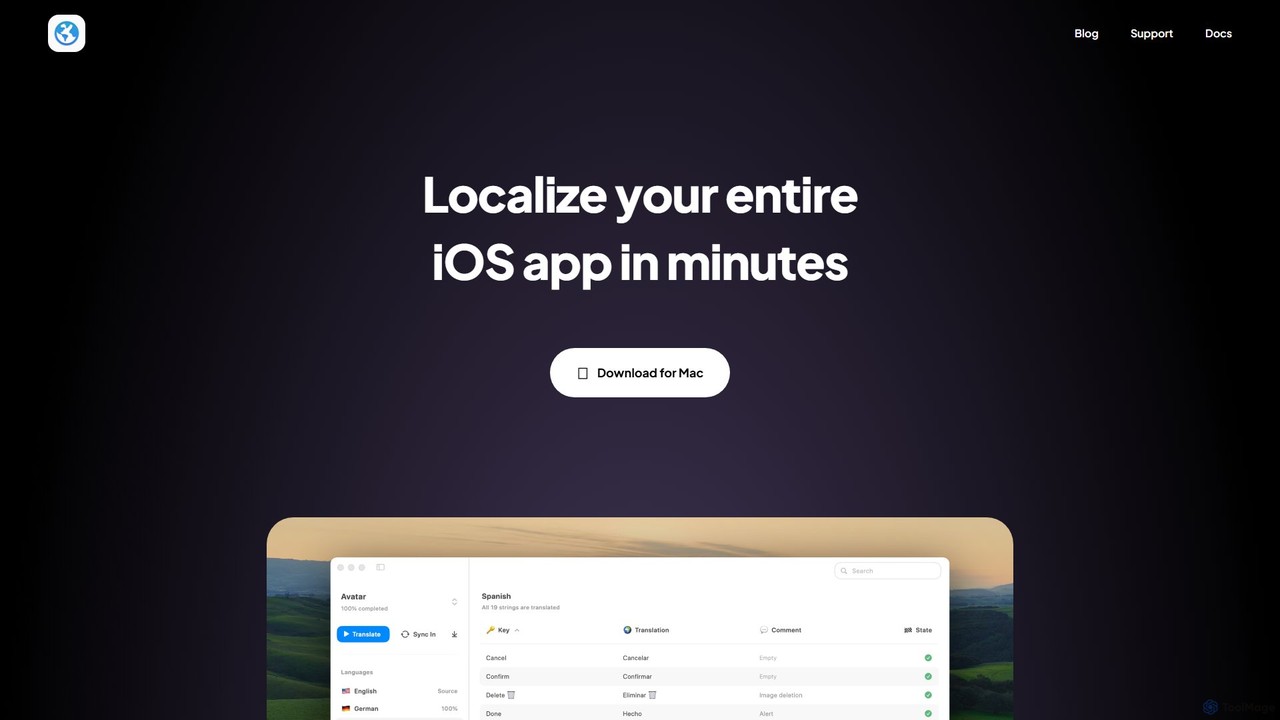
Globify

Globify

Globify is an AI-powered platform designed to streamline and automate the localization of mobile and web applications. It …

3.0K

About Internationalization

Internationalization tools are AI-powered solutions designed to prepare software, products, and content for global markets. These tools leverage advanced natural language processing and machine learning to identify and address linguistic, cultural, and technical challenges before localization begins. By streamlining the internationalization process, they enable businesses to expand their reach efficiently, ensuring seamless adaptation for diverse audiences worldwide.

Core Features

  • Content Analysis for I18n: Automatically scans text for hardcoded strings, cultural sensitivities, and locale-specific formats that hinder internationalization.
  • Resource Externalization: Helps extract translatable strings and other locale-dependent resources into external files, making them ready for localization.
  • Locale-Specific Formatting: Assists in managing and validating date, time, currency, number, and address formats for various regions.
  • Pseudo-Localization Testing: Simulates translated content to identify potential UI/UX issues like text expansion or truncation before actual translation.
  • Cultural Sensitivity Detection: Uses AI to flag content that might be culturally inappropriate or misunderstood in target markets.

Use Cases

Businesses aiming for global expansion utilize internationalization tools to ensure their digital products are inherently adaptable. This includes software development teams preparing applications for multiple languages, marketing departments ensuring global campaigns resonate culturally, and product managers designing features for diverse user bases. These tools lay the groundwork for effective localization, preventing costly rework.

How to Choose

When selecting internationalization tools, consider their integration capabilities with existing development workflows and content management systems. Evaluate the breadth of their analysis features, including support for various programming languages and content types. Assess their ability to handle complex locale-specific rules and provide actionable insights. Finally, look for robust pseudo-localization and testing functionalities to validate internationalization efforts early in the development cycle.

InternationalizationUse Cases

1

Preparing Software for Multi-Language Support

Software development teams use internationalization tools to identify and externalize all user-facing strings, messages, and UI elements from their code. This ensures that the application architecture is ready for translation into multiple languages without requiring code changes for each locale, significantly reducing development time and maintenance overhead for global releases.

2

Ensuring Cultural Appropriateness in Marketing Content

Global marketing teams leverage AI internationalization tools to pre-screen campaign materials, advertisements, and website copy for potential cultural misunderstandings or inappropriate imagery. The tools analyze text and sometimes visual cues to flag elements that might not resonate positively or could even offend audiences in specific target markets, ensuring brand consistency and cultural respect.

3

Standardizing Date and Time Formats Across Regions

E-commerce platforms or financial services operating internationally use internationalization tools to automatically detect and correctly format dates, times, currencies, and numbers based on the user's locale. This prevents confusion and errors for customers worldwide, ensuring a consistent and trustworthy user experience regardless of their geographical location.

4

Streamlining Product Documentation for Global Audiences

Technical writers and product documentation teams employ internationalization tools to prepare user manuals, help guides, and product specifications for translation. The tools help identify and simplify complex sentences, remove jargon, and ensure consistent terminology, making the source content easier and more cost-effective to localize for various linguistic markets.

5

Validating User Interface Adaptability with Pseudo-Localization

UI/UX designers and quality assurance engineers use pseudo-localization features to test how their application's interface will look with expanded or contracted text after translation. By simulating longer or shorter strings, they can proactively identify and fix layout issues, overlapping text, or truncated labels, ensuring a smooth user experience in all target languages.

6

Managing Global Legal and Compliance Content

Legal departments in multinational corporations utilize internationalization tools to prepare legal disclaimers, terms of service, and privacy policies for global deployment. These tools help ensure that the underlying structure and content are adaptable to different legal frameworks and cultural expectations, facilitating accurate and compliant localization for various jurisdictions.

InternationalizationFrequently Asked Questions