PurposeTech.ai
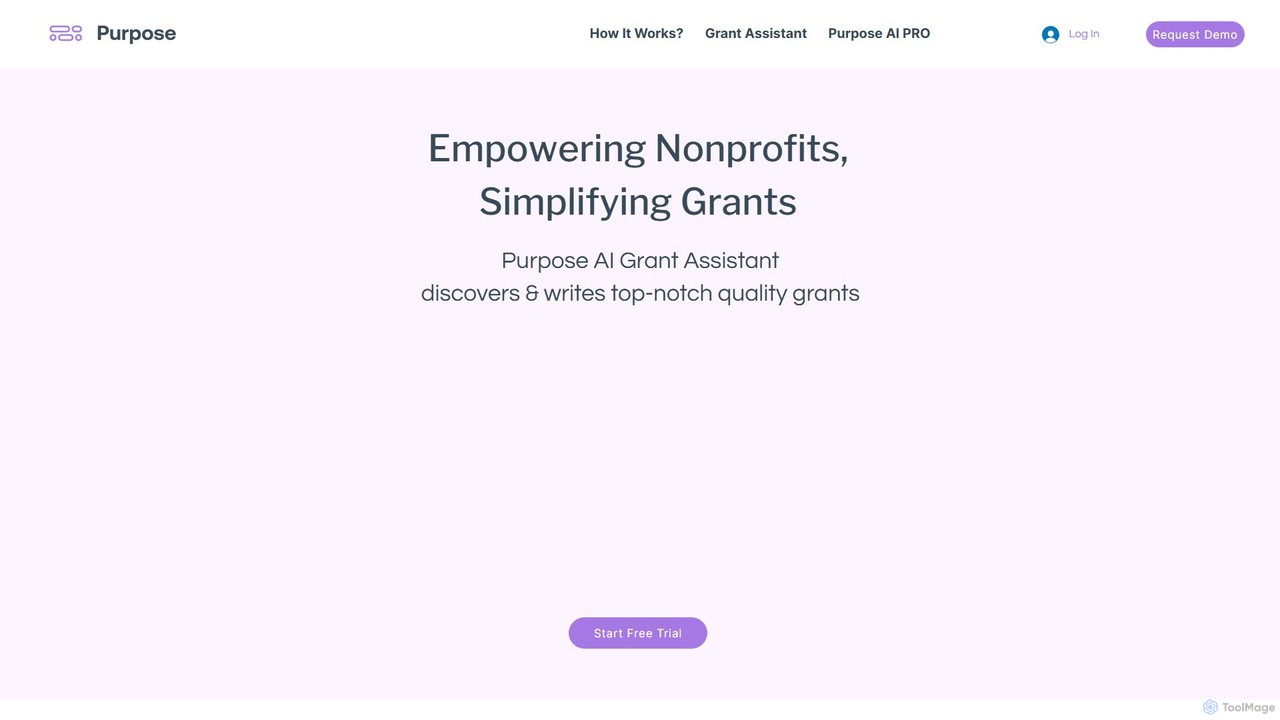
PurposeTech.ai is an AI-powered grant assistant designed for nonprofits. It automates the grant discovery, writing, and evaluation process, …
PurposeTech.ai is an AI-powered grant assistant designed for nonprofits. It automates the grant discovery, writing, and evaluation process, helping organizations find perfectly matched funding opportunities and generate high-quality proposals. This allows nonprofits to save time on fundraising and focus more on their core mission.
About Nonprofit Management
Nonprofit Management AI tools are specialized solutions designed to optimize the operational efficiency and impact of non-profit organizations. These tools leverage artificial intelligence to automate administrative tasks, enhance fundraising efforts, and improve donor engagement. They empower nonprofits to streamline workflows, make data-driven decisions, and dedicate more resources to their core mission, ultimately amplifying their social impact within the broader business landscape.
Core Features
- Donor Relationship Management: AI-powered systems track donor interactions, predict giving patterns, and personalize communication strategies to foster stronger relationships and increase retention.
- Automated Grant Writing & Research: Tools assist in identifying relevant grant opportunities, drafting proposals, and managing application deadlines, significantly reducing manual effort.
- Fundraising Campaign Optimization: AI analyzes past campaign data to identify optimal timing, messaging, and target audiences, maximizing the effectiveness of fundraising initiatives.
- Volunteer Management & Engagement: Solutions help recruit, schedule, and communicate with volunteers, matching skills to needs and improving overall volunteer satisfaction.
- Impact Measurement & Reporting: AI processes program data to generate comprehensive impact reports, demonstrating accountability and informing future strategic planning.
Use Cases
Nonprofit organizations utilize these AI tools across various functions to enhance their operational effectiveness. For instance, a large charity can use AI for predictive analytics to identify potential major donors and tailor personalized outreach campaigns. Smaller community groups can automate volunteer scheduling and communication, ensuring smooth event execution. Additionally, advocacy groups can leverage AI to analyze policy documents and public sentiment, informing their strategic lobbying efforts and public awareness campaigns.
How to Choose
Selecting the right Nonprofit Management AI tool requires careful consideration of several factors. Evaluate the tool's specific features against your organization's core needs, such as fundraising, donor management, or program evaluation. Assess its integration capabilities with existing CRM or accounting systems to ensure seamless data flow. Consider the scalability of the solution to accommodate future growth and the level of technical support provided. Finally, review pricing models to find a solution that aligns with your budget and offers a clear return on investment for your mission.
Nonprofit ManagementUse Cases
Optimizing Donor Engagement and Retention
A non-profit's fundraising team uses AI-powered CRM tools to analyze donor history, communication preferences, and giving patterns. The AI identifies donors at risk of lapsing and suggests personalized outreach strategies, such as tailored email campaigns or specific project updates, leading to a 15% increase in donor retention rates and more consistent funding.
Streamlining Grant Application Processes
A grant manager at a research-focused non-profit leverages AI tools to automate the search for relevant grant opportunities based on their mission and project scope. The AI also assists in drafting initial proposal sections by extracting key data from past successful applications and identifying compliance requirements, significantly reducing the time spent on administrative tasks and increasing application submission rates by 20%.
Enhancing Volunteer Recruitment and Scheduling
An event coordinator for a community service organization employs AI-driven volunteer management software. The system matches potential volunteers with roles based on their skills, availability, and interests, and automates scheduling and communication reminders. This ensures optimal staffing for events, reduces no-shows, and improves overall volunteer satisfaction and engagement.
Automating Impact Measurement and Reporting
A program director at a social welfare non-profit uses AI analytics to collect and process data from various program activities, such as participant surveys, attendance records, and outcome metrics. The AI generates comprehensive, real-time impact reports, visualizing key performance indicators and demonstrating the program's effectiveness to stakeholders and funders, enhancing transparency and accountability.
Personalizing Fundraising Campaigns
A development director utilizes AI to segment their donor base and create highly personalized fundraising appeals. The AI analyzes demographic data, past giving behavior, and engagement levels to suggest optimal messaging, channels (email, social media, direct mail), and ask amounts for different donor segments, resulting in higher conversion rates and increased average donation size.
Efficient Financial Management and Compliance
A finance officer at a large foundation employs AI-powered accounting and compliance software. The AI automates expense tracking, reconciles transactions, and flags potential compliance issues related to tax regulations or grant spending. This reduces manual errors, ensures adherence to financial guidelines, and frees up staff time for strategic financial planning and oversight.