
Business Best in category 1 results People Analytics AI Tool

Popular AI tools in the People Analytics field of Business include Happily.ai, etc., helping you quickly improve efficiency.

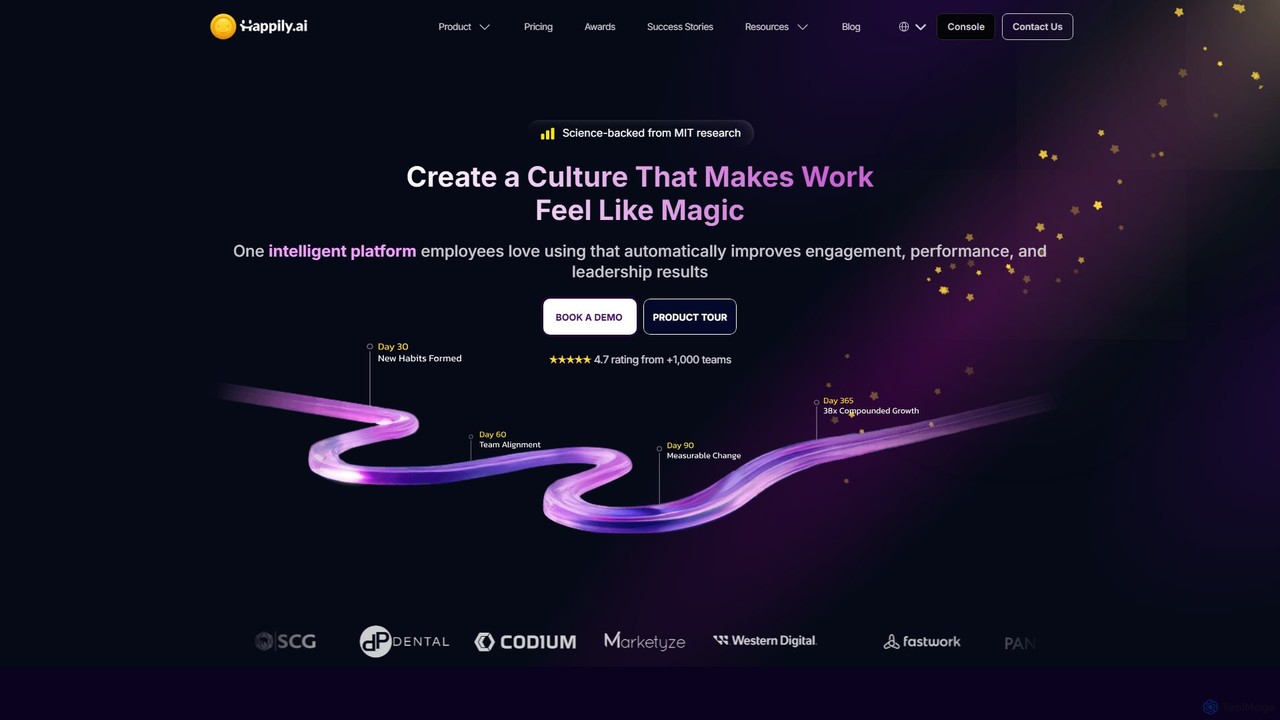
Happily.ai

Happily.ai

Happily.ai is an AI-powered people transformation platform designed to build positive workplace cultures. It replaces traditional HR practices …

16.2K

About People Analytics

People Analytics tools are AI-driven platforms that analyze workforce data to provide actionable insights for strategic human resource management. They leverage machine learning to process information from sources like HRIS, surveys, and performance reviews, helping organizations make data-informed decisions on talent acquisition, engagement, and retention. By uncovering hidden patterns and predicting future trends, these tools transform HR from a reactive function into a strategic business partner. This data-centric approach enables businesses to optimize their workforce and align talent strategy with organizational goals.

Core Features

  • Predictive Analytics: Forecasts employee turnover, identifies high-potential employees, and predicts future hiring needs based on historical data.
  • Talent Acquisition Insights: Analyzes the effectiveness of recruitment channels, quality of hire, and time-to-fill metrics to optimize the hiring process.
  • Employee Engagement Analysis: Measures morale and satisfaction by analyzing survey responses, communication patterns, and other qualitative data.
  • Performance Management Analytics: Identifies top performers, reveals skill gaps within teams, and correlates performance with business outcomes.
  • DEI Analytics: Monitors diversity, equity, and inclusion metrics across the employee lifecycle to identify and mitigate biases in hiring, promotion, and compensation.

Use Cases

These tools are essential for HR departments, business leaders, and talent managers in data-driven organizations. A technology firm can use People Analytics to identify the key attributes of its top-performing engineers to refine its hiring criteria. Similarly, a large retail corporation can analyze attrition data to understand why employees leave in specific regions and implement targeted retention strategies.

How to Choose

When selecting a People Analytics tool, prioritize its integration capabilities with your existing HR systems (HRIS, ATS). Evaluate the depth of its analytical features, from basic reporting dashboards to advanced predictive modeling. Data security and compliance with regulations like GDPR are critical. Also, consider the user-friendliness of the interface, ensuring it is accessible to HR professionals who may not be data scientists.

People AnalyticsUse Cases

1

Predicting and Reducing Employee Attrition

An HR manager at a large tech company uses a People Analytics tool to proactively combat employee turnover. The platform integrates with their HRIS and performance data, using a machine learning model to identify employees with a high flight risk based on factors like tenure, promotion history, compensation ratio, and manager feedback. The manager receives a prioritized list of at-risk individuals, allowing them to initiate targeted retention conversations, offer development opportunities, or adjust workloads before the employee decides to leave. This data-driven approach helps reduce attrition rates by 15% in key departments.

2

Optimizing Recruitment Channel Effectiveness

A talent acquisition team for a multinational corporation needs to optimize its hiring budget. They use a People Analytics tool to analyze the entire recruitment funnel, from application to hire. The tool tracks the source of every candidate (e.g., LinkedIn, employee referrals, job boards) and correlates it with performance data after one year of employment. The analysis reveals that while a specific job board generates the highest volume of applicants, employee referrals result in hires who perform better and stay longer. Based on this insight, the team reallocates its budget, investing more in the employee referral program and reducing spend on less effective channels.

3

Identifying and Addressing Skill Gaps

A Learning and Development (L&D) manager for a manufacturing company uses a People Analytics platform to conduct a company-wide skills gap analysis. The tool aggregates data from performance reviews, project management software, and employee self-assessments. It visualizes the current skill inventory against the skills required for future strategic initiatives, such as automation and IoT integration. The dashboard clearly highlights a critical shortage in data analysis and machine maintenance skills. With this information, the L&D manager designs and launches targeted upskilling programs, ensuring the workforce is prepared for upcoming technological shifts.

4

Improving Employee Engagement Through Data

A retail company notices a decline in customer satisfaction scores. The HR team uses a People Analytics tool to analyze annual employee engagement survey data alongside sales performance. The platform's sentiment analysis feature processes thousands of open-ended comments, revealing a strong correlation between low morale in specific stores and poor sales figures. The key issues identified are inconsistent scheduling and lack of manager support. Armed with this specific feedback, HR works with regional managers to implement more stable scheduling practices and provide additional leadership training, leading to improved employee morale and a subsequent uplift in customer satisfaction.

5

Ensuring Fair and Unbiased Promotion Processes

A Diversity, Equity, and Inclusion (DEI) officer at a financial services firm uses a People Analytics tool to audit their internal promotion process. The tool analyzes promotion rates across different demographic groups, controlling for variables like performance ratings, tenure, and department. The analysis uncovers a statistically significant disparity, showing that women in a specific division are promoted at a lower rate than their male peers despite similar performance scores. This objective data allows the DEI officer to present a clear business case to leadership, leading to a review of promotion criteria and mandatory unconscious bias training for managers in that division.

6

Strategic Workforce Planning for Growth

A fast-growing software company is planning to launch a new product line. Business leaders use a People Analytics platform for strategic workforce planning. The tool analyzes current employee skills, projected attrition rates, and the talent market for the required new roles (e.g., AI specialists, product marketers). It generates a forecast model showing the number of people they need to hire versus upskill internally over the next 18 months. The model also identifies potential leadership gaps. This allows the company to build a proactive talent pipeline, create targeted internal training programs, and align its hiring strategy with its long-term business objectives, avoiding costly delays.

People AnalyticsFrequently Asked Questions