
TimeSqueeze
TimeSqueeze is an automatic time tracking application for Windows that consolidates your activity down to the second. It …
TimeSqueeze is an automatic time tracking application for Windows that consolidates your activity down to the second. It tracks time spent on websites, files, and apps, simplifying billing, improving productivity, and providing detailed cost accounting insights without manual timers.
Standuply
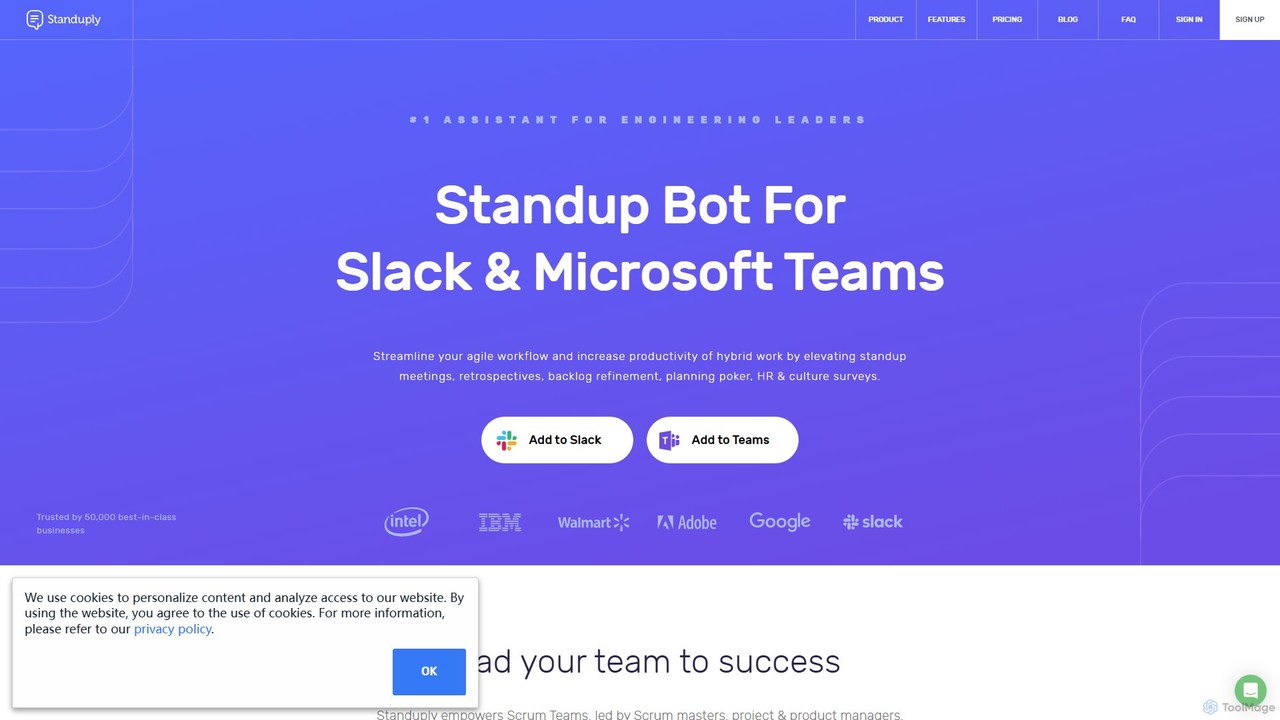
Standuply is a digital scrum master for Slack and Microsoft Teams that automates agile processes like stand-up meetings, …
Standuply is a digital scrum master for Slack and Microsoft Teams that automates agile processes like stand-up meetings, retrospectives, and team surveys. It helps remote and co-located teams stay in sync, track progress, and improve communication asynchronously. With integrations and AI-powered knowledge management, it streamlines workflows and boosts productivity.
Taim
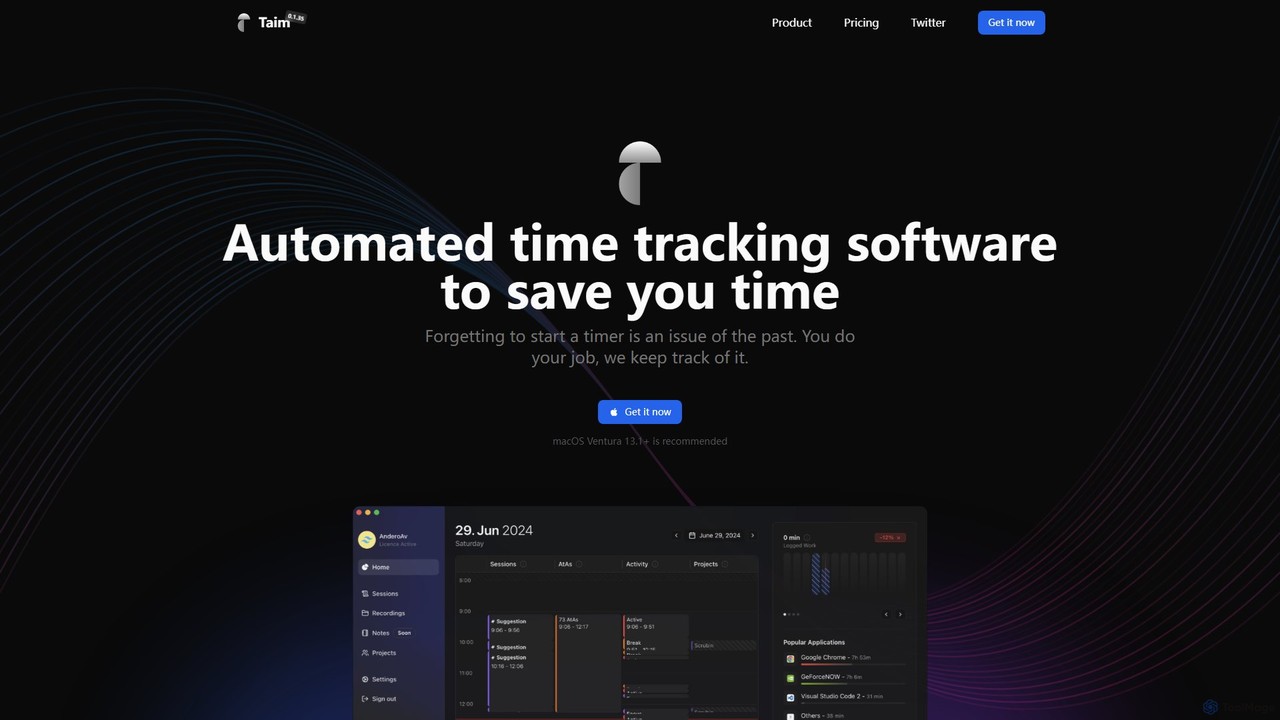
Taim is an intelligent, automated time tracking software for macOS and Windows designed for freelancers, consultants, and teams. …
Taim is an intelligent, automated time tracking software for macOS and Windows designed for freelancers, consultants, and teams. It automatically records your activity across apps and windows, providing accurate data for billing and productivity analysis. With both manual and automatic modes, Pomodoro timer, and detailed analytics, Taim helps you work smarter, not harder, while ensuring your data remains private and on your device.
About Project Management
AI Project Management tools are a class of software that leverages artificial intelligence to automate, predict, and optimize project workflows. They go beyond traditional task tracking by using machine learning algorithms to analyze project data, forecast outcomes, and provide intelligent recommendations. This enables teams to proactively manage risks, allocate resources more effectively, and improve the accuracy of project planning. The key advantage lies in transforming project management from a reactive, manual process into a data-driven, predictive discipline.
Core Features
- Predictive Analytics: Forecasts project timelines, budgets, and potential delays based on historical data.
- Automated Task Scheduling: Intelligently assigns tasks and adjusts schedules based on real-time progress and team capacity.
- Intelligent Resource Allocation: Recommends the best team members for tasks based on skills, workload, and availability.
- AI-Powered Risk Detection: Proactively identifies potential bottlenecks and risks by analyzing project patterns and dependencies.
- Automated Reporting: Generates concise progress reports, performance dashboards, and project summaries automatically.
Use Cases
These tools are highly effective for software development teams managing complex sprints, marketing agencies coordinating multi-channel campaigns, and construction firms overseeing large-scale projects. For instance, a development team can use predictive analytics to anticipate sprint overruns, while an engineering firm can automate resource allocation for upcoming builds to prevent delays.
How to Choose
When selecting an AI project management tool, evaluate its integration capabilities with your existing stack (e.g., Slack, GitHub). Assess the sophistication of its predictive models and the accuracy of its forecasts. Also, consider the level of automation it provides for routine tasks and its user interface's intuitiveness for team adoption and daily use.
Project ManagementUse Cases
Automating Software Development Sprint Planning
A Scrum Master uses an AI tool to streamline sprint planning. By analyzing data from past sprints, the system accurately predicts story points for new tasks and suggests optimal task assignments to developers based on their historical performance and current workload. It also automatically flags potential dependencies between tasks that could cause delays, allowing the team to address them proactively. This reduces manual planning time by hours and significantly improves the accuracy of sprint forecasts.
Optimizing Marketing Campaign Resource Allocation
A marketing manager planning a multi-channel product launch uses an AI tool for resource management. The tool analyzes the required skills (e.g., graphic design, copywriting, SEO) and team members' availability. It then recommends an optimal project team and timeline, ensuring no individual is overloaded and all critical path deadlines are feasible. The system can also simulate different scenarios, showing the impact of adding or removing a team member on the project's completion date.
Proactive Risk Mitigation in Construction Projects
A construction project manager uses an AI platform to monitor project health. The system continuously analyzes data from various sources, including supply chain schedules, weather forecasts, and subcontractor progress reports. It identifies a high probability of a material delivery delay due to a weather event and flags it as a critical risk. This early warning allows the manager to arrange an alternative supplier in advance, preventing a costly work stoppage and keeping the project on schedule.
Generating Executive Project Status Reports
A project lead for a large enterprise initiative needs to provide weekly updates to stakeholders. Instead of manually compiling data from spreadsheets, task boards, and emails, they use an AI tool. The tool automatically synthesizes key progress updates, budget status, and identified risks into a concise, easy-to-read summary. It can even tailor the report's language and level of detail for different audiences, such as the technical team versus the executive board, saving hours of administrative work each week.
Balancing Workloads in a Creative Agency
A studio manager at a design agency uses an AI tool to get a real-time overview of every designer's workload. When a new project request comes in, the system automatically analyzes the project's requirements and suggests which designers have both the necessary skills and the available capacity. This data-driven approach prevents employee burnout by ensuring fair task distribution and helps the manager make informed decisions about hiring or outsourcing when the team's capacity is reached.
Forecasting Budget and Timeline for Client Proposals
A consultant at a professional services firm uses an AI project management tool to create more accurate client proposals. By inputting the project scope and key deliverables, the tool analyzes historical data from hundreds of similar past projects. It then generates a reliable estimate for the required budget and a realistic completion timeline, complete with confidence intervals. This allows the firm to submit more competitive and trustworthy bids, increasing their win rate and reducing the risk of project overruns.