Business Best in category 3 results Startup Resources AI Tool

Popular AI tools in the Startup Resources field of Business include Hustle Fund、Headline、LunarList, etc., helping you quickly improve efficiency.

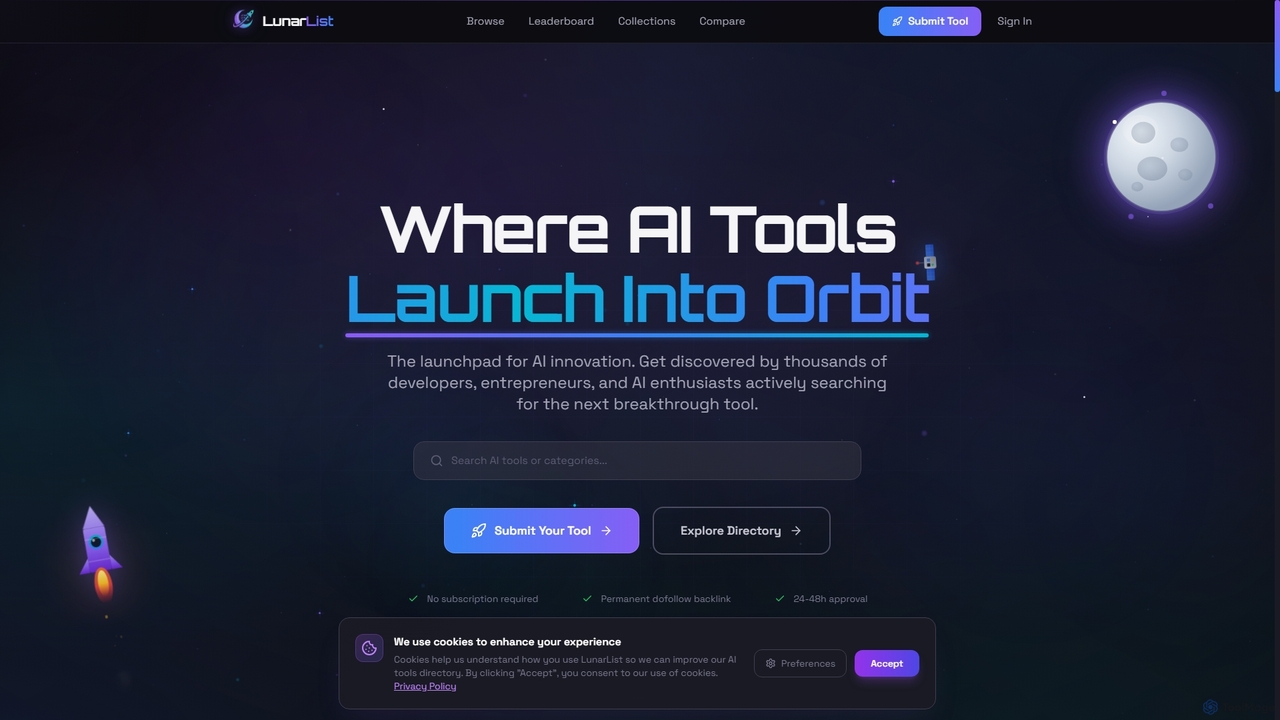
LunarList

LunarList

LunarList is a premier AI tools directory and launchpad designed to connect innovative AI solutions with a global …

3.0K
Free
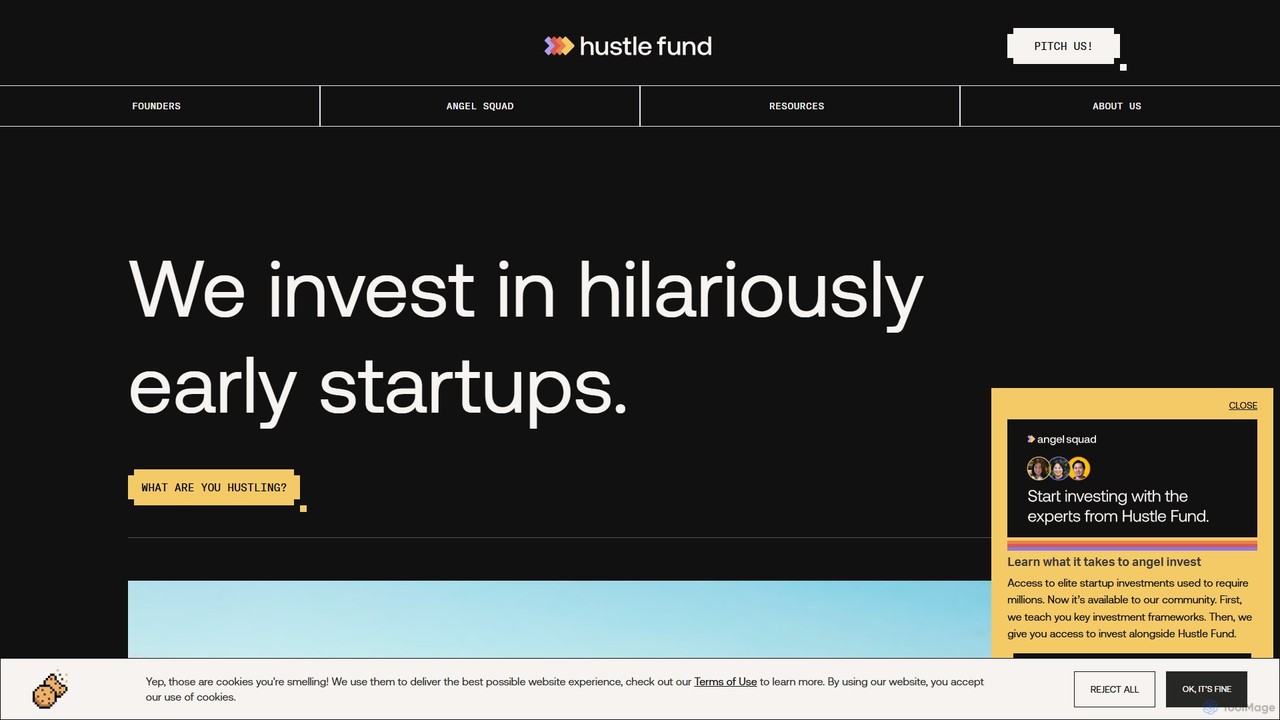
Hustle Fund

Hustle Fund

Hustle Fund is a pre-seed venture capital firm for early-stage startups. It provides fast funding, practical education through …

90.8K
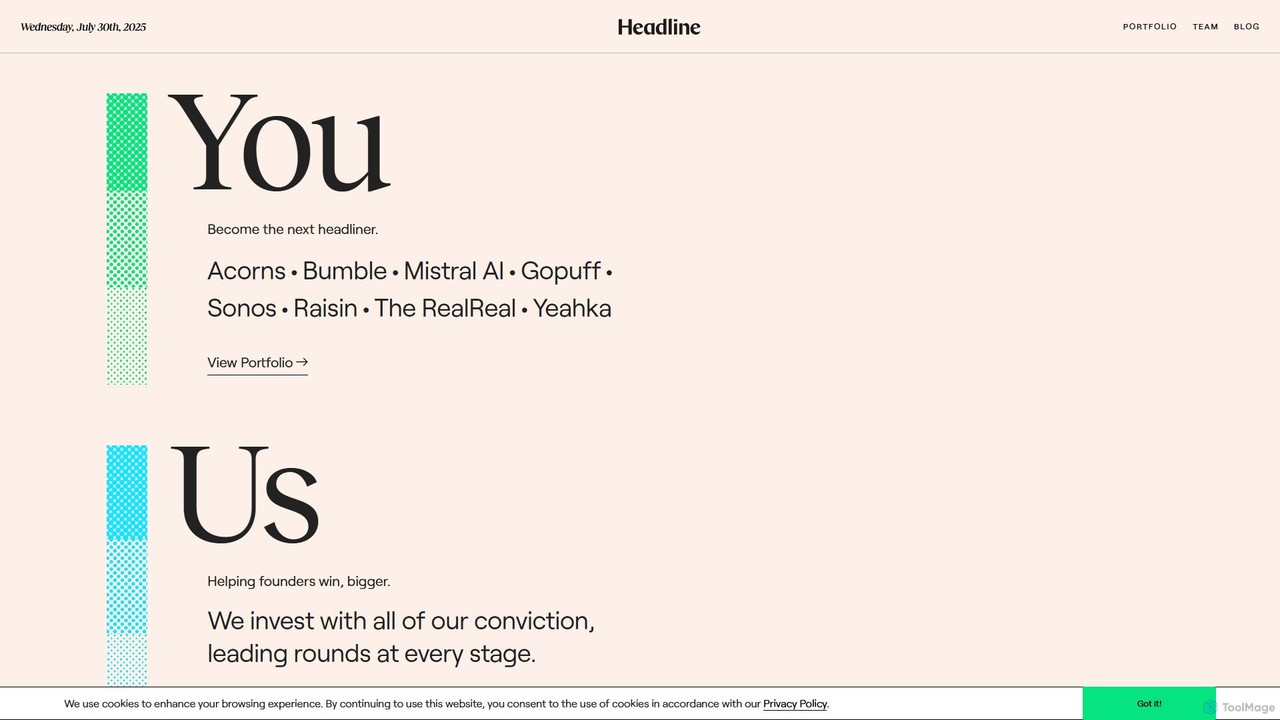
Headline

Headline

Headline is a global venture capital firm that invests in and partners with visionary founders across the technology …

47.9K

About Startup Resources

AI Startup Resources are a specialized suite of tools designed to address the unique challenges of early-stage companies. These tools leverage artificial intelligence to accelerate critical processes like market validation, product development, and fundraising. They provide founders with data-driven insights, automated content creation, and streamlined operational workflows, enabling lean teams to compete effectively. Unlike general business software, these resources are specifically tailored for speed, affordability, and scalability from the ground up.

Core Features

  • Market & Competitor Analysis: Automatically gathers and synthesizes market data, identifies trends, and analyzes competitor strategies to inform business decisions.
  • Pitch Deck & Business Plan Generation: Assists in structuring, writing, and designing compelling pitch decks and comprehensive business plans.
  • MVP & Prototyping Assistance: Generates code snippets, UI/UX mockups, or functional prototypes from simple text descriptions to speed up product validation.
  • Investor Matching & Outreach: Identifies suitable investors based on a startup's profile and helps draft personalized outreach communications.
  • Lean Operations Automation: Automates administrative tasks, generates standard legal documents, and manages early-stage marketing campaigns efficiently.

Use Cases

These tools are invaluable for tech startups, SaaS companies, e-commerce ventures, and solo founders in their idea, seed, or Series A stages. They are used by founders to validate business ideas, product managers to quickly prototype features, and marketing teams to launch initial go-to-market campaigns with limited resources.

How to Choose

When selecting an AI Startup Resource, consider your company's current stage—idea, pre-seed, or growth. Prioritize tools that solve your most immediate bottleneck, whether it's fundraising, development, or customer acquisition. Evaluate integration capabilities with your existing stack (e.g., Slack, GitHub) and look for flexible pricing models, such as free tiers or pay-as-you-go options, that can scale with your business.

Startup ResourcesUse Cases

1

Validate a Business Idea with Market Analysis

A non-technical founder has a new SaaS idea but needs to validate its market potential before investing in development. They use an AI startup resource to conduct comprehensive market analysis. The tool scrapes industry reports, competitor websites, and social media trends to generate a report on market size, target audience demographics, and key pain points. This data-driven approach allows the founder to refine their value proposition and identify a niche, saving months of manual research and preventing investment in a non-viable idea.

2

Create a Compelling Pitch Deck for Fundraising

An early-stage startup is preparing for its seed funding round. The team uses an AI pitch deck generator to streamline the creation process. They input their core business data, and the AI suggests a narrative structure, designs professional-looking slides with consistent branding, and generates compelling copy for each section, from the problem statement to the financial projections. The tool also provides feedback on clarity and persuasiveness, helping the team create a polished, investor-ready presentation in days instead of weeks.

3

Accelerate MVP Development with AI-Generated Code

A solo founder with a strong product vision but limited coding expertise wants to build a Minimum Viable Product (MVP) quickly. They use an AI coding assistant specialized for startups. By describing the desired features in natural language, such as 'create a user login page with Google authentication,' the tool generates the necessary front-end and back-end code snippets. This significantly reduces development time, allowing the founder to launch a functional prototype, gather user feedback, and iterate much faster than with traditional coding methods.

4

Identify and Contact Relevant Investors

A fintech startup is looking for angel investors with a portfolio in their specific niche. Instead of manually searching through databases, they use an AI investor matching platform. The platform analyzes their business plan and pitch deck to create a startup profile. It then scours its network to find investors whose investment thesis, past investments, and preferred stage align perfectly. The tool also helps generate personalized introductory emails, increasing the response rate and saving the founding team hundreds of hours of prospecting work.

5

Generate Early-Stage Legal Documents

A bootstrapped startup needs to formalize agreements with its co-founders and first contractor but wants to minimize initial legal costs. They use an AI legal resource to generate standard documents. By answering a series of guided questions, the platform drafts a Founder Agreement, a Non-Disclosure Agreement (NDA), and an Independent Contractor Agreement. While not a substitute for legal counsel on complex issues, this provides the startup with solid, standardized documents quickly and affordably, ensuring basic legal protections are in place from day one.

6

Automate Initial Content Marketing Efforts

A SaaS startup with a small team needs to build an online presence but lacks a dedicated content marketer. They use an AI content creation tool to kickstart their marketing. The tool generates blog post ideas based on target keywords, drafts articles explaining their product's features, and creates social media posts for different platforms. This allows the team to maintain a consistent publishing schedule, drive initial organic traffic, and engage with their community, all while focusing their limited human resources on product development and customer support.

Startup ResourcesFrequently Asked Questions