Best of the Year 1 results Businessoperations AI Tools

Popular AI tools in the Businessoperations field include TalentReview, etc., helping you quickly improve efficiency.

TalentReview

TalentReview

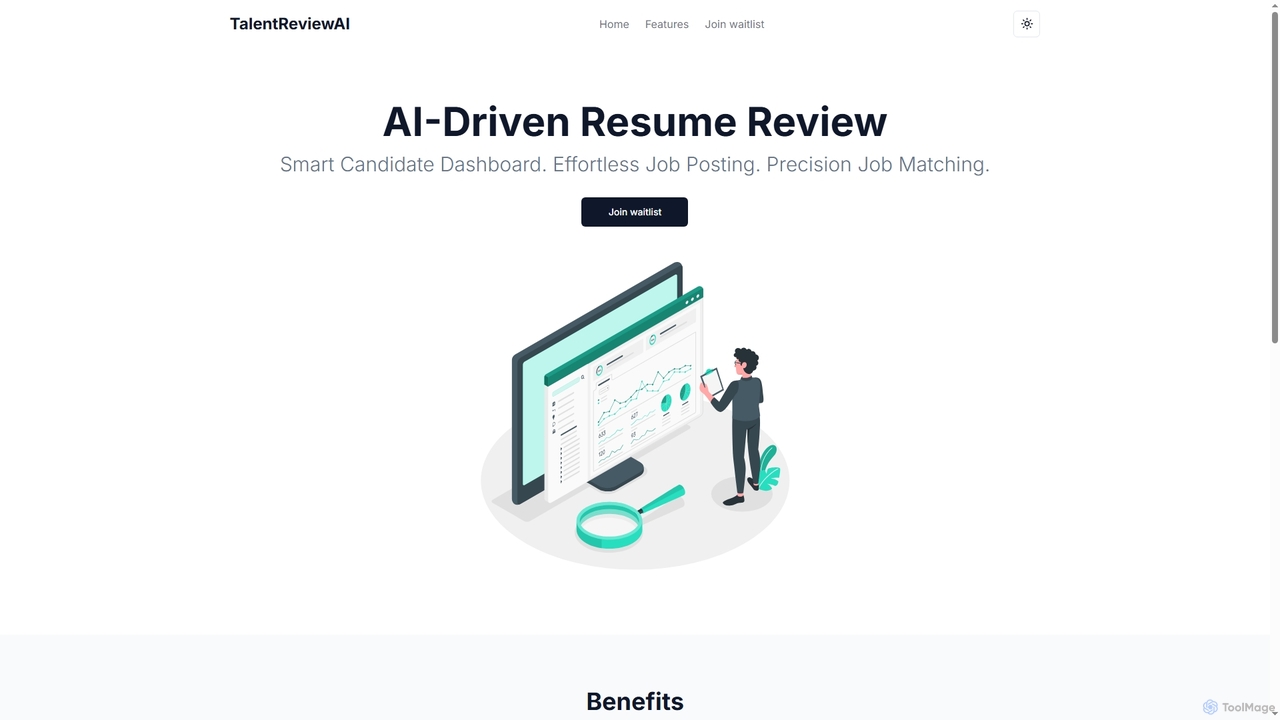
TalentReview is an AI-powered platform designed to streamline the hiring process for businesses. It offers AI-driven resume review, …

12.7K

About Businessoperations

Business operations AI tools are AI-powered solutions designed to streamline, automate, and optimize various core functions within an organization. These tools leverage machine learning, natural language processing, and data analytics to enhance efficiency, reduce costs, and improve decision-making across departments. They empower businesses to transform routine tasks, gain deeper insights from operational data, and adapt more quickly to market changes, ultimately fostering greater productivity and strategic growth.

Core Features

  • Process Automation: Automate repetitive tasks like data entry, report generation, and workflow approvals.
  • Predictive Analytics: Forecast future trends in sales, inventory, and customer behavior to inform strategy.
  • Resource Optimization: Allocate human and material resources more effectively based on demand and availability.
  • Intelligent Document Processing: Extract, classify, and manage information from various business documents automatically.
  • Performance Monitoring: Provide real-time insights into operational metrics and identify bottlenecks.

Applicable Scenarios

Businesses across various sectors utilize AI for operations. For instance, manufacturing companies deploy AI to optimize supply chain logistics and predictive maintenance, reducing downtime. Retailers use it for inventory management and demand forecasting, minimizing stockouts and waste. Service industries leverage AI for automated customer support, scheduling, and back-office processing, freeing up staff for more complex tasks.

How to Choose

When selecting business operations AI tools, consider the specific processes you aim to optimize and the scale of your operations. Evaluate the tool's integration capabilities with existing systems, its scalability to grow with your business, and the level of customization offered. Assess the vendor's support, data security measures, and the total cost of ownership, including implementation and maintenance.

BusinessoperationsUse Cases

1

Automating Invoice Processing and Reconciliation

Finance departments often spend significant time manually processing invoices. Business operations AI tools can automatically extract data from incoming invoices, validate it against purchase orders, and reconcile payments. This allows finance professionals to reduce manual errors, accelerate payment cycles, and reallocate their time to strategic financial analysis, significantly improving cash flow management and operational efficiency.

2

Optimizing Supply Chain Logistics and Inventory

Logistics managers face the challenge of balancing inventory levels with demand fluctuations. AI-powered business operations tools analyze historical sales data, market trends, and external factors to predict future demand with high accuracy. This enables companies to optimize inventory levels, reduce carrying costs, prevent stockouts, and streamline warehousing and distribution, leading to a more resilient and cost-effective supply chain.

3

Enhancing Customer Service with AI-driven Support

Customer service teams can be overwhelmed by routine inquiries. AI business operations tools, such as intelligent chatbots and virtual assistants, can handle common customer questions, provide instant support, and guide users through self-service options 24/7. This frees up human agents to focus on complex issues, improving overall customer satisfaction and reducing response times without increasing staffing costs.

4

Streamlining HR Onboarding and Employee Management

Human Resources departments can use AI to automate various aspects of employee onboarding and management. From processing new hire paperwork and setting up access to managing leave requests and performance reviews, AI tools ensure consistency and compliance. This reduces administrative burden on HR staff, accelerates the onboarding process for new employees, and allows HR to focus on talent development and employee engagement initiatives.

5

Predictive Maintenance for Industrial Equipment

In manufacturing and industrial sectors, equipment downtime can be costly. Business operations AI tools analyze sensor data from machinery to predict potential failures before they occur. Maintenance teams receive alerts, allowing them to schedule proactive repairs during planned downtime, rather than reacting to unexpected breakdowns. This minimizes operational disruptions, extends equipment lifespan, and significantly reduces maintenance costs.

6

Automating Marketing Campaign Performance Analysis

Marketing teams often spend hours compiling and analyzing campaign data from various sources. AI business operations tools can automatically collect data from advertising platforms, CRM systems, and web analytics, then generate comprehensive performance reports. They can identify trends, suggest optimization strategies, and even predict campaign outcomes, enabling marketers to make data-driven decisions faster and improve ROI.

BusinessoperationsFrequently Asked Questions