ToolMage
Sign in

Best 1 Payment Processing AI tools for Commerce

Popular Payment Processing AI tools in Commerce include Partially Payment Plans, helping you work more efficiently.

Partially Payment Plans
Free

Partially Payment Plans

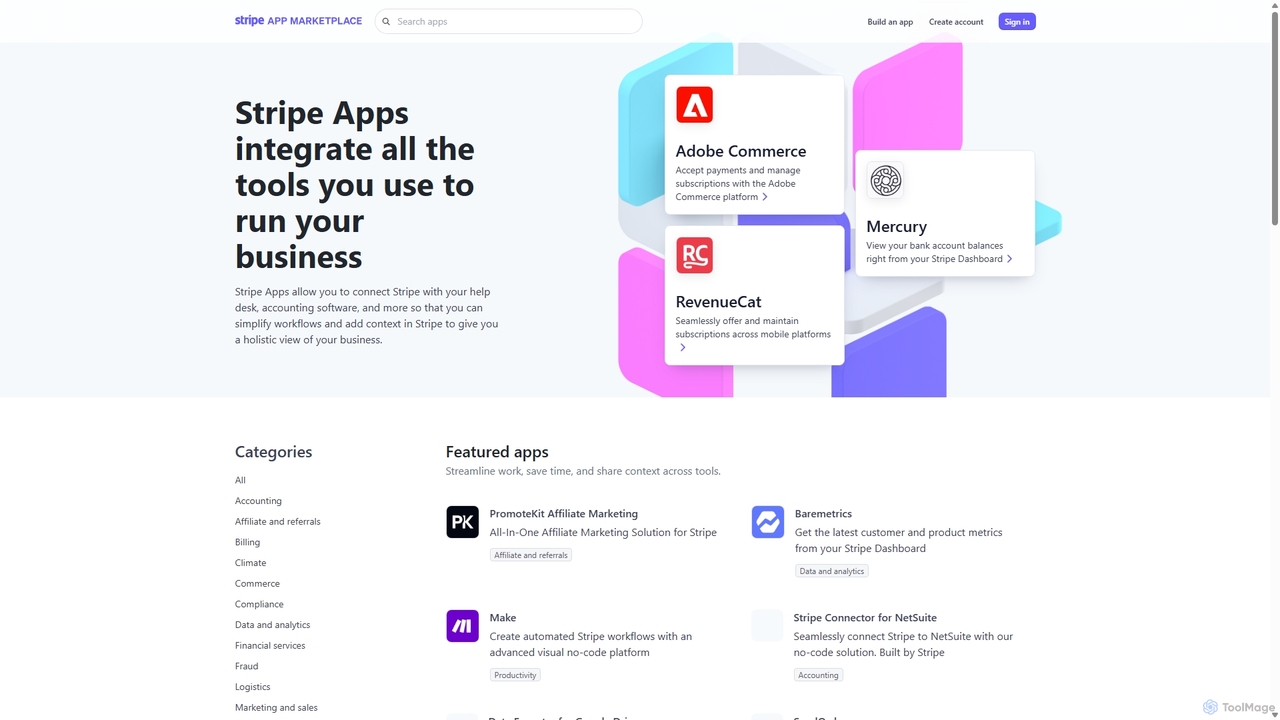
Partially Payment Plans is a Stripe app that allows businesses to create and manage flexible payment plans for invoices and customers directly from the Stripe Dashboard. It helps increase revenue and improve cash flow by making purchases more manageable for customers, offering custom terms that suit both the business and the client.

Invoicing
Visits 147.5KFavorites 112Likes 102

About Payment Processing

AI Payment Processing tools are a specialized category of software that use artificial intelligence to automate and optimize online financial transactions. They leverage machine learning models for real-time fraud detection, predict customer churn based on payment behavior, and personalize payment options. This enhances security, increases conversion rates by reducing friction at checkout, and recovers revenue that might be lost to failed payments. Unlike traditional payment gateways, these AI-driven systems can adapt to new fraud patterns and dynamically optimize payment routing for higher success rates.

Core Features

  • AI-Powered Fraud Detection: Analyzes transaction data, user behavior, and device information in real-time to identify and block fraudulent activities with high accuracy.
  • Smart Payment Routing: Automatically selects the most effective payment gateway based on factors like currency, location, and real-time success rates to maximize approvals.
  • Automated Revenue Recovery (Dunning): Intelligently retries failed subscription payments at optimal times and uses automated communication to reduce involuntary churn.
  • Checkout Optimization: Personalizes the payment experience by displaying the most relevant payment methods, currencies, and financing options for each user.

Use Cases

These tools are crucial for businesses in the Commerce sector, particularly for e-commerce platforms, SaaS companies with recurring billing, and online marketplaces. For instance, a subscription service can use AI to reduce churn from failed payments, while an e-commerce store can prevent chargebacks by stopping fraud before it happens.

How to Choose

When selecting an AI Payment Processing tool, consider its integration capabilities with your existing platforms (e.g., Shopify, Salesforce). Evaluate the sophistication of its fraud detection models and its reported accuracy rates. For subscription businesses, the effectiveness of its dunning and revenue recovery features is paramount. Finally, assess the pricing model and ensure it aligns with your transaction volume and business scale.

Featured tool rankings

Payment Processing use cases

1

Real-Time Fraud Prevention for E-commerce

An online fashion retailer experiences a high volume of chargebacks from fraudulent transactions. By implementing an AI Payment Processing tool, they can analyze hundreds of data points for each transaction in real-time, including device fingerprinting, IP geolocation, and behavioral analytics. The AI model flags suspicious orders with a risk score, automatically blocking high-risk transactions and flagging medium-risk ones for manual review. This reduces chargeback rates by over 70% and protects revenue without negatively impacting the checkout experience for legitimate customers.

2

Reducing Subscription Churn for SaaS Companies

A SaaS company with a subscription model struggles with involuntary churn caused by failed payments (e.g., expired cards, insufficient funds). An AI-powered dunning tool integrates with their billing system. It uses machine learning to determine the optimal time to retry a failed charge. Instead of a generic email, it sends personalized reminders and provides a one-click link for customers to update their payment information. This automated process successfully recovers over 50% of failed payments, directly boosting monthly recurring revenue and improving customer retention.

3

Optimizing Payment Routing for Global Marketplaces

A global online marketplace connects buyers and sellers from different countries. Transaction approval rates vary significantly between payment gateways depending on the buyer's location and card type. An AI Payment Processing tool with smart routing capabilities analyzes each transaction and dynamically sends it to the gateway most likely to approve it. This real-time decision-making increases the overall transaction success rate by 5-10%, leading to higher revenue for sellers and a smoother purchasing experience for buyers, ultimately strengthening the marketplace's ecosystem.

4

Automating B2B Invoicing and Reconciliation

A B2B marketing agency manages numerous client contracts with varying payment terms. Manually creating invoices, sending reminders, and reconciling payments is time-consuming and prone to errors. They adopt an AI payment platform that automates the entire invoice-to-cash cycle. The system generates and sends invoices based on contract terms, uses AI to predict late payments and sends proactive reminders, and automatically matches incoming payments to open invoices in their accounting software. This reduces administrative overhead by hours each week and improves cash flow by shortening the average collection period.

5

Personalizing Checkout with Dynamic Payment Options

An international e-commerce store wants to reduce cart abandonment by making the checkout process as seamless as possible for global customers. Their AI payment tool analyzes a user's location, device, and past behavior to dynamically display the most relevant payment options. For a customer in Germany, it prioritizes Sofort and Giropay. For a customer in Brazil, it shows Boleto Bancário. It also intelligently offers 'Buy Now, Pay Later' options to users who are more likely to convert with financing. This personalization significantly increases conversion rates by removing payment friction.

6

Analyzing Payment Data for Business Insights

A direct-to-consumer brand wants to better understand its customer base and optimize its marketing spend. Their AI Payment Processing platform provides an advanced analytics dashboard. It analyzes transaction data to reveal key insights, such as the lifetime value of customers acquired through different channels, peak purchasing times by region, and the popularity of various payment methods. These insights allow the marketing team to allocate their budget more effectively and the product team to make data-driven decisions about international expansion and payment option support.

Payment Processing FAQ

What are AI Payment Processing tools?

AI Payment Processing tools are advanced software solutions that use artificial intelligence and machine learning to enhance online payment transactions. Unlike traditional payment gateways that simply facilitate transactions, these tools actively analyze data to make intelligent decisions. Their core functions include real-time fraud detection, optimizing payment routing for higher success rates, and automating the recovery of failed recurring payments. They are designed to increase revenue, reduce costs associated with fraud and churn, and improve the overall customer checkout experience.

How is an AI Payment Processor different from a standard Payment Gateway?

A standard Payment Gateway acts as a secure messenger, encrypting and transmitting payment information between the customer, merchant, and banks. An AI Payment Processor does this and much more. It adds a layer of intelligence on top of the transaction process. Key differences include:

  • Decision Making: AI processors make real-time decisions, such as blocking a fraudulent transaction or choosing the best route for a payment, while standard gateways follow fixed rules.
  • Adaptability: AI models learn from new data and adapt to evolving fraud tactics, whereas standard systems require manual rule updates.
  • Optimization: AI tools actively work to optimize outcomes like conversion rates and revenue recovery, which is beyond the scope of a basic gateway.

In essence, a standard gateway is a pipe for data, while an AI processor is a brain that analyzes and acts on that data.

Who should use AI Payment Processing tools?

AI Payment Processing tools are most beneficial for online businesses that handle a significant volume of transactions and face challenges with fraud, payment failures, or customer churn. Key users include:

  • E-commerce Stores: To reduce fraudulent orders and chargebacks while optimizing checkout conversion.
  • SaaS and Subscription Businesses: To minimize involuntary churn by automatically recovering failed recurring payments.
  • Online Marketplaces: To increase overall transaction success rates by intelligently routing payments across different gateways.
  • Global Businesses: To improve authorization rates and customer experience by offering localized payment methods and currencies.

Any business looking to move beyond basic transaction processing to a more strategic, data-driven approach to payments can benefit from these tools.

How do I choose the right AI Payment Processing tool?

Selecting the right tool depends on your specific business needs. Consider these key factors:

  • Business Model: Does the tool specialize in e-commerce fraud, subscription dunning, or marketplace routing? Choose one that aligns with your primary challenge.
  • Integration: Ensure it integrates seamlessly with your existing e-commerce platform, CRM, and accounting software to avoid manual data entry.
  • Scalability: Can the tool handle your current transaction volume and scale with your business as it grows? Check their pricing tiers and infrastructure.
  • Features and Accuracy: Evaluate the specific AI features offered. For fraud detection, ask for data on accuracy and false positive rates. For dunning, look at reported revenue recovery rates.

Start by identifying your biggest payment-related pain point and look for a tool that offers a robust, data-backed solution for it.

Are AI Payment Processing tools secure?

Yes, security is a fundamental requirement for these tools. Reputable AI Payment Processing platforms are built on secure infrastructure and must comply with strict industry standards, most notably the Payment Card Industry Data Security Standard (PCI DSS). The AI itself enhances security. By analyzing vast amounts of data, AI models can detect sophisticated fraud patterns and anomalies that rule-based systems might miss, providing an additional, adaptive layer of protection against evolving threats. When choosing a tool, always verify its compliance certifications and security protocols.