Voxket
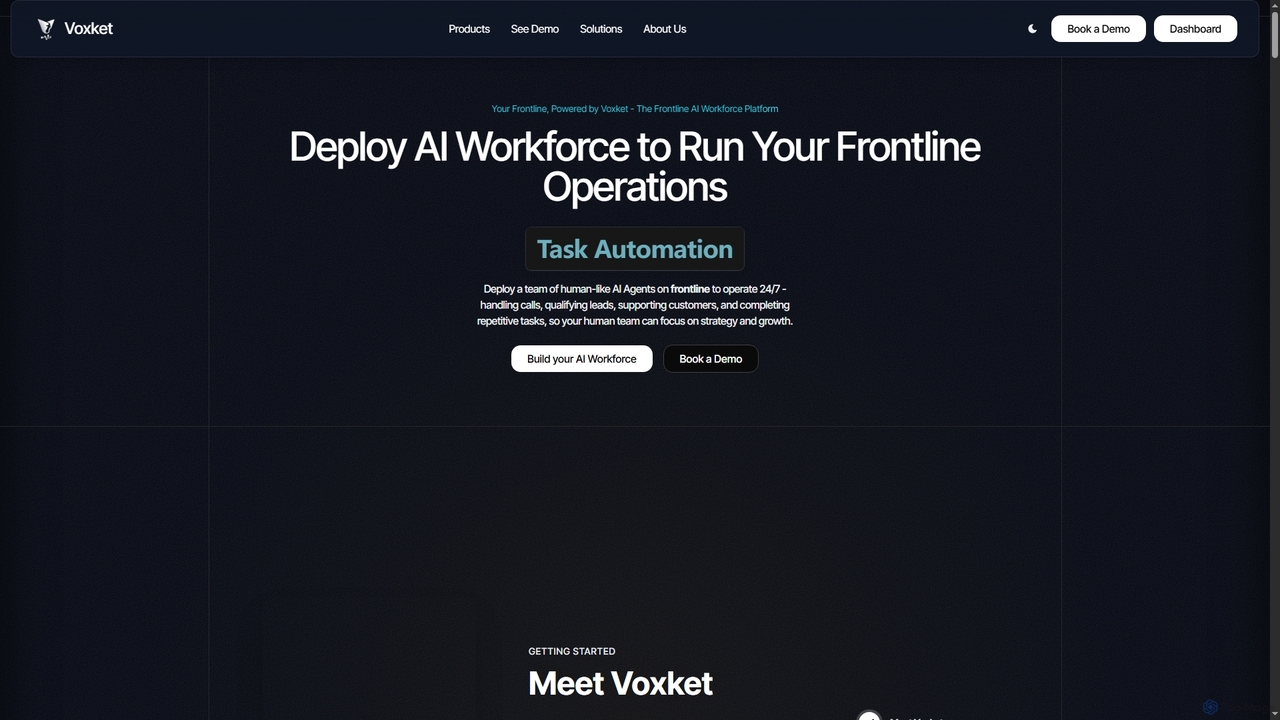
Voxket is a frontline AI workforce platform that enables businesses to deploy human-like AI agents for 24/7 operations. …
Voxket is a frontline AI workforce platform that enables businesses to deploy human-like AI agents for 24/7 operations. It automates customer support, lead qualification, and repetitive tasks across voice, chat, IVR, and video, allowing human teams to focus on strategic growth.
NeoAgent
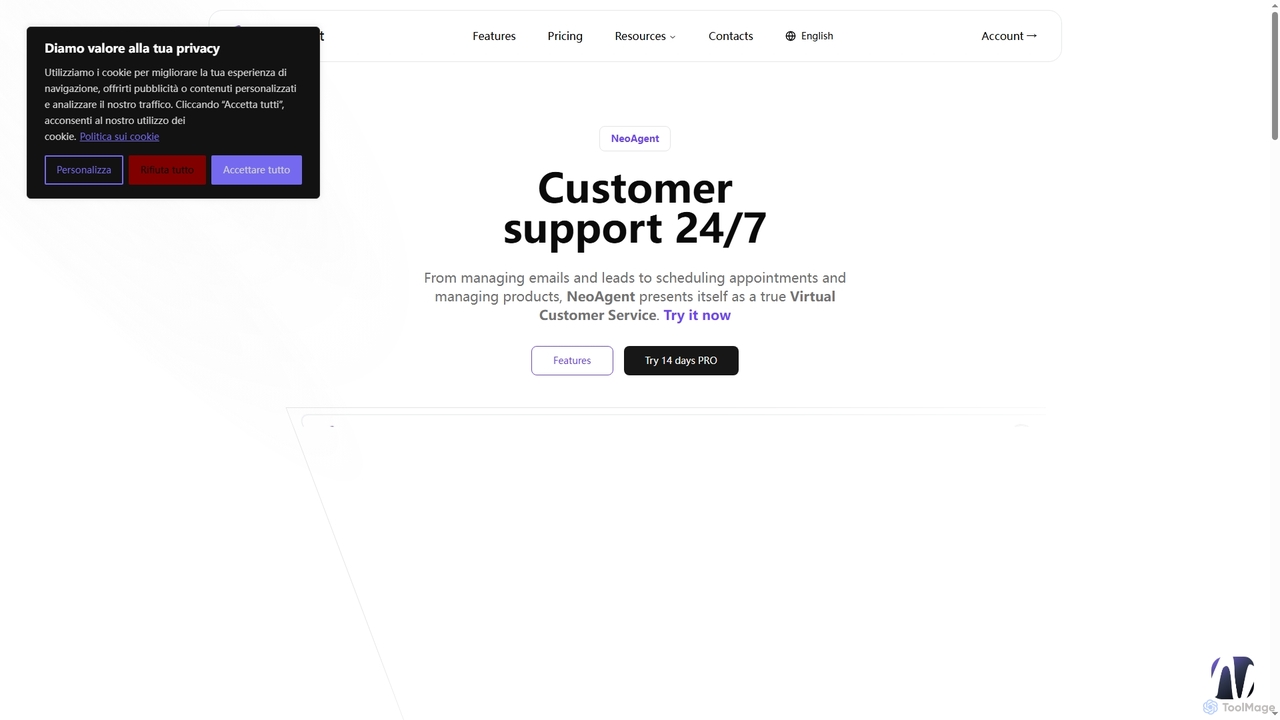
NeoAgent provides 24/7 AI customer assistance through intelligent agents for WhatsApp, web, and human-like AI calls. It leverages …
NeoAgent provides 24/7 AI customer assistance through intelligent agents for WhatsApp, web, and human-like AI calls. It leverages GPT Realtime Voice technology to offer automated, efficient, and scalable customer support solutions, enhancing user experience and streamlining business operations.
About Voice Assistants
Voice Assistants are AI-powered tools designed to understand human speech, process natural language, and respond verbally or by executing commands. Leveraging advanced speech recognition, natural language processing (NLP), and speech synthesis, these assistants enable hands-free interaction with technology. They serve as intelligent interfaces, streamlining daily tasks, providing instant information, and enhancing accessibility across various devices and platforms.
Core Features
- Speech Recognition: Accurately converts spoken language into text, understanding diverse accents and intonations.
- Natural Language Understanding (NLU): Interprets the meaning and intent behind user queries, even with complex or ambiguous phrasing.
- Task Automation: Executes commands to perform actions like setting alarms, sending messages, playing music, or controlling smart home devices.
- Information Retrieval: Accesses and synthesizes data from vast knowledge bases to answer questions on a wide range of topics.
- Contextual Awareness: Maintains conversational context over multiple turns, allowing for more natural and fluid interactions.
Use Cases
Voice assistants are widely adopted in personal productivity, smart home management, and customer service. Individuals use them for hands-free control of devices and quick information access, while businesses integrate them into customer support systems to automate inquiries and provide instant help. They are also crucial in accessibility solutions, enabling users with motor impairments to interact with technology effortlessly.
How to Choose
When selecting a voice assistant, consider its integration capabilities with your existing ecosystem (e.g., smart home devices, productivity apps), the accuracy of its speech recognition and NLU for your language and accent, and the range of tasks it can automate. Evaluate its privacy policies regarding data collection and processing, and compare its customization options for wake words or voice profiles to ensure a personalized experience.
Voice AssistantsUse Cases
Managing Daily Schedules and Reminders
An individual uses a voice assistant to effortlessly organize their day. By simply speaking commands, they can add appointments to their calendar, set alarms for important tasks, and receive timely reminders for meetings or errands. This hands-free interaction allows them to stay productive while multitasking, ensuring no critical event is missed and streamlining personal communication and time management.
Managing Smart Home Devices
Homeowners can use voice assistants to effortlessly control lights, thermostats, security cameras, and entertainment systems. By simply speaking commands like "Turn off the living room lights" or "Set the thermostat to 22 degrees," users can manage their home environment hands-free, enhancing convenience and energy efficiency, especially when busy or with limited mobility.
Controlling Smart Home Devices
A homeowner leverages a voice assistant to create an intuitive smart home environment. They can verbally command the assistant to adjust lighting, change thermostat settings, lock doors, or activate security systems. This integration simplifies home management, providing convenience and energy efficiency without needing to physically interact with multiple devices, centralizing control through natural voice communication.
Automating Daily Reminders and Schedules
Busy professionals and individuals can leverage voice assistants to set reminders, create calendar events, and manage to-do lists without typing. For instance, saying "Remind me to call John at 3 PM" or "Add 'buy groceries' to my shopping list" ensures important tasks are captured instantly, improving personal organization and time management.
Hands-Free Information Retrieval
A professional working in a kitchen or laboratory needs quick access to information without touching a screen. They ask their voice assistant for real-time stock prices, measurement conversions, or weather updates. The assistant provides immediate, audible answers, allowing the user to continue their task uninterrupted, proving invaluable in scenarios where hands are occupied or hygiene is critical for effective communication.
Accessing Real-time Information
Students, travelers, and general users can quickly obtain answers to questions, check weather forecasts, get news updates, or find directions. A simple query like "What's the weather like tomorrow?" or "Tell me about the history of Rome" provides immediate, hands-free access to information, making research and daily planning more efficient.
Enhancing Accessibility for Users with Disabilities
Individuals with visual impairments or limited mobility utilize voice assistants to interact with technology independently. They can dictate messages, browse the internet, make calls, or control entertainment systems using only their voice. This empowers them to perform daily digital tasks with greater ease and autonomy, significantly improving their quality of life and enabling more inclusive communication.
Enhancing In-Car Infotainment Systems
Drivers can use voice assistants integrated into vehicles to control navigation, play music, make calls, and send messages without taking their hands off the wheel. This significantly improves safety by minimizing distractions, allowing drivers to focus on the road while still managing essential communication and entertainment functions.
Automating Customer Service Inquiries
A company deploys a voice assistant as a first-line customer support agent. Customers can call and speak naturally to the assistant to check order status, get answers to frequently asked questions, or troubleshoot common issues. This reduces call center wait times, provides 24/7 support, and frees human agents to handle more complex cases, optimizing communication efficiency and customer satisfaction.
Providing Customer Service and Support
Businesses deploy voice assistants as virtual agents to handle routine customer inquiries, provide FAQs, and guide users through troubleshooting steps. For example, a customer asking "How do I reset my password?" can receive an immediate, automated voice response, reducing call center load and offering 24/7 support.
Streamlining In-Car Navigation and Entertainment
A driver uses a voice assistant integrated into their vehicle's infotainment system to manage navigation, music playback, and hands-free calls. They can verbally request directions, switch radio stations, or send text messages without taking their hands off the wheel or eyes off the road. This enhances driving safety and convenience, making in-car communication and control seamless and intuitive.
Assisting Users with Accessibility Needs
Individuals with visual impairments, motor disabilities, or other accessibility challenges benefit greatly from voice assistants. They can navigate interfaces, dictate messages, or control devices purely through voice commands, empowering them to interact with technology independently and access information more easily.