
Compliance Management Best in category 1 results Policy Documentation AI Tool

Popular AI tools in the Policy Documentation field of Compliance Management include Avoidable Apps, etc., helping you quickly improve efficiency.

Avoidable Apps

Avoidable Apps

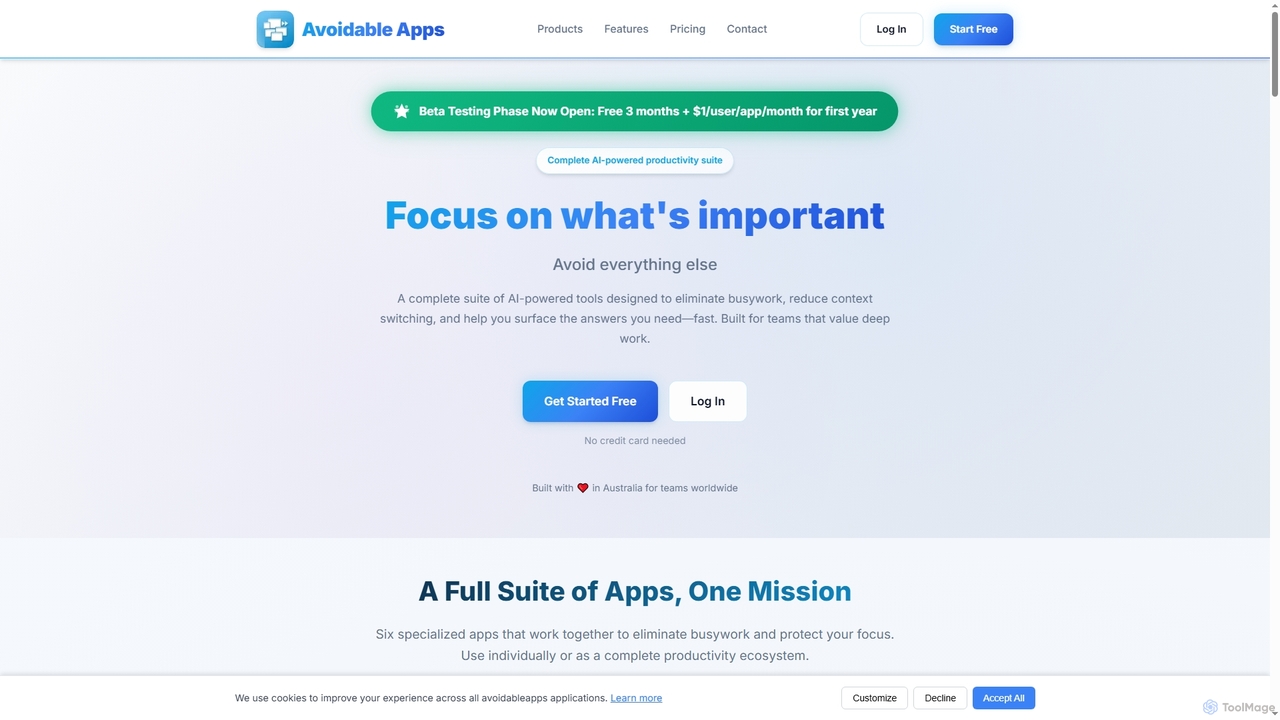
Avoidable Apps is an AI-powered productivity SaaS suite designed to eliminate busywork, reduce context switching, and help teams …

3.1K

About Policy Documentation

Policy Documentation tools are AI-powered platforms designed to streamline the creation, management, and enforcement of organizational policies and compliance documents. These tools leverage natural language processing and machine learning to automate drafting, ensure consistency, and monitor adherence to regulatory standards. They significantly reduce the manual effort and legal risks associated with maintaining up-to-date and compliant policy frameworks for businesses of all sizes.

Core Features

  • Automated Policy Generation: Drafts various policy types (e.g., privacy, security, HR) based on templates and regulatory inputs.
  • Compliance Monitoring: Scans documents for adherence to legal frameworks like GDPR, CCPA, or industry-specific regulations.
  • Version Control & Audit Trails: Manages policy updates, tracks changes, and provides a clear history for auditing purposes.
  • Content Consistency Checks: Identifies inconsistencies or outdated information across multiple policy documents.
  • Legal Language Review: Analyzes policy text for clarity, legal accuracy, and potential ambiguities.

Applicable Scenarios

Legal departments use these tools to manage vast libraries of legal disclaimers and terms of service. HR teams employ them for drafting employee handbooks and internal conduct policies. Compliance officers rely on them to ensure all operational procedures align with evolving industry regulations and corporate governance standards.

How to Choose

When selecting a Policy Documentation tool, consider its integration capabilities with existing legal or HR systems, the breadth of regulatory frameworks it supports, and its ability to customize policy templates. Evaluate the AI's accuracy in content generation and compliance checks, as well as the robustness of its version control and audit features to meet your organization's specific needs.

Policy DocumentationUse Cases

1

Automating Privacy Policy Generation for Websites

A small e-commerce business owner needs to quickly generate a comprehensive and legally compliant privacy policy for their new website. Using an AI Policy Documentation tool, they input basic business details and data handling practices. The tool then automatically drafts a privacy policy that adheres to relevant regulations like GDPR and CCPA, saving significant legal consultation fees and ensuring immediate compliance.

2

Maintaining Up-to-Date Employee Handbooks

An HR manager in a growing company faces the challenge of regularly updating employee handbooks to reflect new labor laws and internal policy changes. An AI Policy Documentation tool allows them to easily modify sections, automatically check for consistency across the document, and generate new versions with clear audit trails, ensuring all employees have access to the latest, compliant guidelines.

3

Ensuring Regulatory Compliance for Financial Institutions

A compliance officer at a bank must ensure all internal operational policies align with complex financial regulations (e.g., AML, KYC). They use an AI Policy Documentation tool to scan existing policies, identify clauses that need updating based on recent regulatory changes, and suggest revised wording, drastically reducing the risk of non-compliance and associated penalties.

4

Standardizing Terms of Service Across Multiple Products

A software company with a diverse product portfolio needs to maintain consistent and legally sound terms of service for each offering. An AI Policy Documentation tool enables them to create a master template, apply product-specific variations, and automatically check for legal consistency and clarity across all terms, streamlining legal review and deployment.

5

Drafting Internal IT Security Policies

An IT security lead needs to establish robust internal policies for data access, incident response, and software usage to protect company assets. Leveraging an AI Policy Documentation tool, they can quickly generate detailed security policies based on industry best practices and compliance standards (e.g., ISO 27001), ensuring comprehensive coverage and clear guidelines for employees.

6

Managing Vendor Contractual Agreements and Policies

A procurement department regularly engages with numerous vendors, each requiring specific contractual agreements and adherence to company policies. An AI Policy Documentation tool helps in drafting standardized vendor agreements, ensuring all necessary compliance clauses are included, and tracking policy acceptance, thereby mitigating supply chain risks and legal liabilities.

Policy DocumentationFrequently Asked Questions