ToolMage
Sign in

Best 1 Personal Robotics AI tools for Consumer Electronics

Popular Personal Robotics AI tools in Consumer Electronics include Unitree, helping you work more efficiently.

Unitree
Paid

Unitree

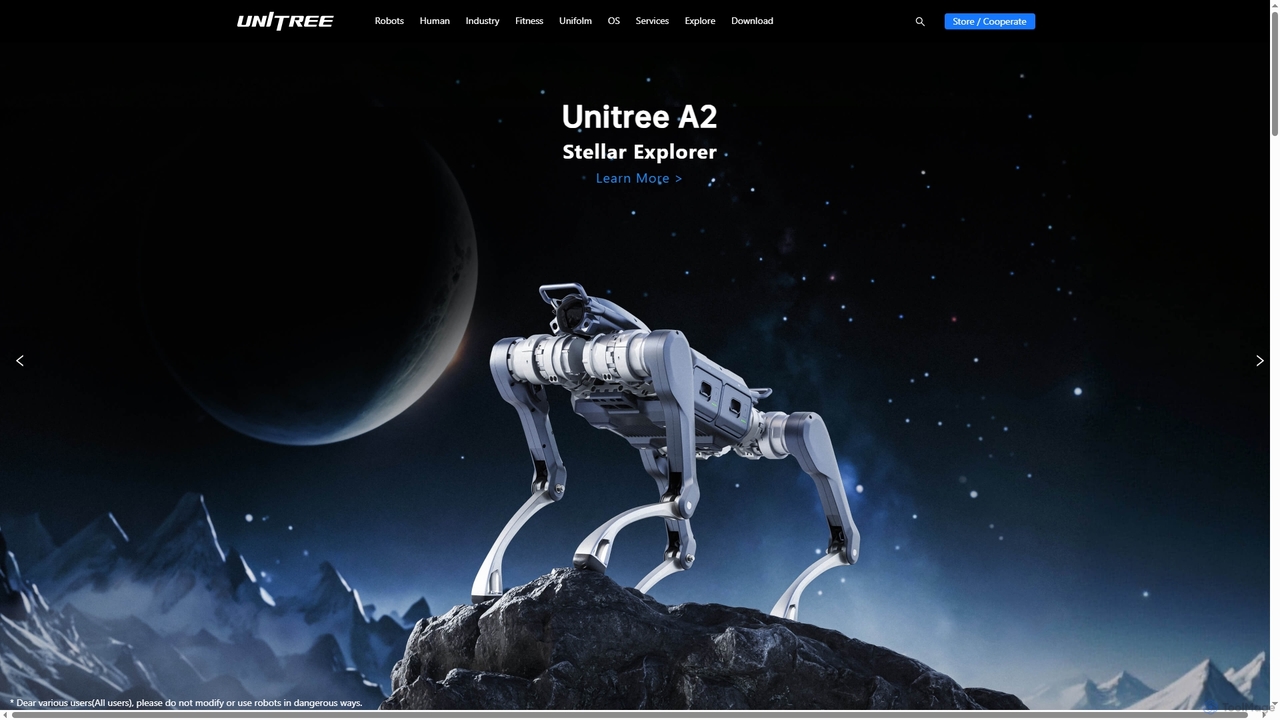
Unitree is a world-renowned robotics company specializing in the R&D, production, and sales of high-performance legged and humanoid robots, robotic arms, and advanced perception systems like 4D LiDAR. They offer innovative solutions for consumer, industrial, and research applications globally.

Personal Robotics
Visits 615.7KFavorites 120Likes 153

About Personal Robotics

Personal Robotics are AI-powered devices designed to assist individuals in daily life, primarily within home or personal environments. These robots leverage advanced AI, sensors, and mechanical systems to perform a variety of tasks, enhancing convenience, safety, and companionship. They represent a significant evolution in consumer electronics, bringing intelligent automation directly into personal spaces with intuitive human-robot interaction.

Core Features

  • Autonomous Navigation: Moves independently, avoids obstacles, and maps environments for efficient operation.
  • Voice & Facial Recognition: Identifies users and responds to voice commands for natural, personalized interaction.
  • Task Automation: Performs routine chores like cleaning, monitoring, or fetching small items.
  • Personalized Interaction: Learns user preferences and adapts behavior for a tailored experience.
  • Remote Monitoring & Control: Allows users to interact with and manage the robot from a distance via apps.

Applicable Scenarios

Ideal for individuals seeking smart home integration, elderly care support, or interactive companions. These robots automate household chores, provide dynamic security monitoring, and offer educational or entertainment value, simplifying daily routines and enhancing personal well-being.

How to Choose

When selecting, consider the robot's primary function (e.g., cleaning, companionship, security), its level of autonomy and AI sophistication, ease of setup and user interface, battery life, and compatibility with existing smart home ecosystems. Evaluate privacy features and the availability of customer support for long-term satisfaction.

Featured tool rankings

Personal Robotics use cases

1

Automating Household Chores

For busy individuals, a personal robotics device can autonomously vacuum, mop, or even manage simple fetching tasks, significantly reducing the time spent on routine household maintenance. Users can schedule cleaning routines or issue voice commands, ensuring a consistently tidy living space without manual effort. This frees up personal time for other activities and enhances daily convenience.

2

Elderly Assistance and Companionship

Personal robots can provide invaluable support for seniors living independently. They can remind users about medication, facilitate video calls with family, monitor for falls, and offer interactive companionship through conversation or games. This enhances safety and reduces feelings of isolation, offering peace of mind to both seniors and their families by providing continuous, non-intrusive assistance.

3

Home Security and Monitoring

A personal robot equipped with cameras and sensors can patrol a home, detect unusual activity, and send real-time alerts to the owner's smartphone. Some models can even identify intruders or unusual sounds, acting as a mobile surveillance system. This provides an additional layer of security beyond static cameras, offering dynamic monitoring and peace of mind when away from home.

4

Interactive Education and Entertainment

For families with children, personal robots can serve as engaging educational tools, teaching coding, languages, or STEM concepts through interactive play. They can also provide entertainment by telling stories, playing music, or performing simple dances, making learning fun and accessible in a personalized way. These robots foster curiosity and provide a unique, interactive learning companion.

5

Personalized Health and Wellness Tracking

Advanced personal robots can integrate with wearable devices to monitor vital signs, track activity levels, and provide gentle reminders for exercise or hydration. Some can even guide users through simple stretches or meditation exercises, promoting a healthier lifestyle directly within the home environment. This proactive approach to wellness helps users maintain their health goals with personalized, automated support.

6

Pet Care and Interaction

Pet owners can utilize personal robots to interact with their pets while away from home. These robots can dispense treats, play with pets using lasers or toys, and allow owners to see and speak to their animals remotely. This helps alleviate pet anxiety and ensures pets receive attention and care throughout the day, providing peace of mind for owners and engagement for their furry friends.

Personal Robotics FAQ

What are Personal Robotics?

Personal Robotics are AI-driven devices designed for individual use, typically in domestic or personal environments. They integrate artificial intelligence, sensors, and mechanical components to perform tasks that enhance daily life, offering convenience, security, companionship, or assistance. They differ from industrial robots by focusing on human-centric interaction, ease of use, and personal utility rather than heavy-duty, repetitive factory tasks.

How do Personal Robotics differ from industrial robots?

Personal Robotics are designed for individual consumers and operate in unstructured, human-centric environments like homes, focusing on safety, ease of use, and interaction. Industrial robots, conversely, are built for specific, repetitive tasks in controlled factory settings, prioritizing precision, speed, and heavy-duty performance, with minimal human interaction. The core distinction lies in their intended user, environment, and primary function.

What tasks can Personal Robotics perform in a home setting?

Personal Robotics can perform a wide range of tasks, including autonomous cleaning (vacuuming, mopping), security monitoring (patrolling, intruder detection), elderly assistance (medication reminders, fall detection), interactive companionship, and educational entertainment for children. Some can also assist with fetching small items, managing smart home devices, or even providing personalized health and wellness tracking, making daily life more convenient and enriched.

What should I consider when choosing a Personal Robot?

When selecting a personal robot, consider its primary function (e.g., cleaning, security, companionship), the level of autonomy and AI capabilities (e.g., learning, voice recognition), ease of setup and user interface, battery life, and compatibility with your existing smart home ecosystem. Also, evaluate privacy features, data security protocols, and the availability of customer support and software updates for long-term satisfaction and functionality.

Are Personal Robotics safe to have around children and pets?

Most modern Personal Robotics are designed with safety in mind, incorporating sensors to detect obstacles, prevent falls, and avoid collisions with people or pets. Many also have child-lock features or designated "no-go" zones. However, it's always recommended to supervise initial interactions, ensure the robot's software is up-to-date, and choose models with robust safety certifications and features to ensure a secure environment for all family members.