Best of the Year 2 results Content Detection AI Tools

Popular AI tools in the Content Detection field include AIDetector、Detext, etc., helping you quickly improve efficiency.

Free
AIDetector

AIDetector

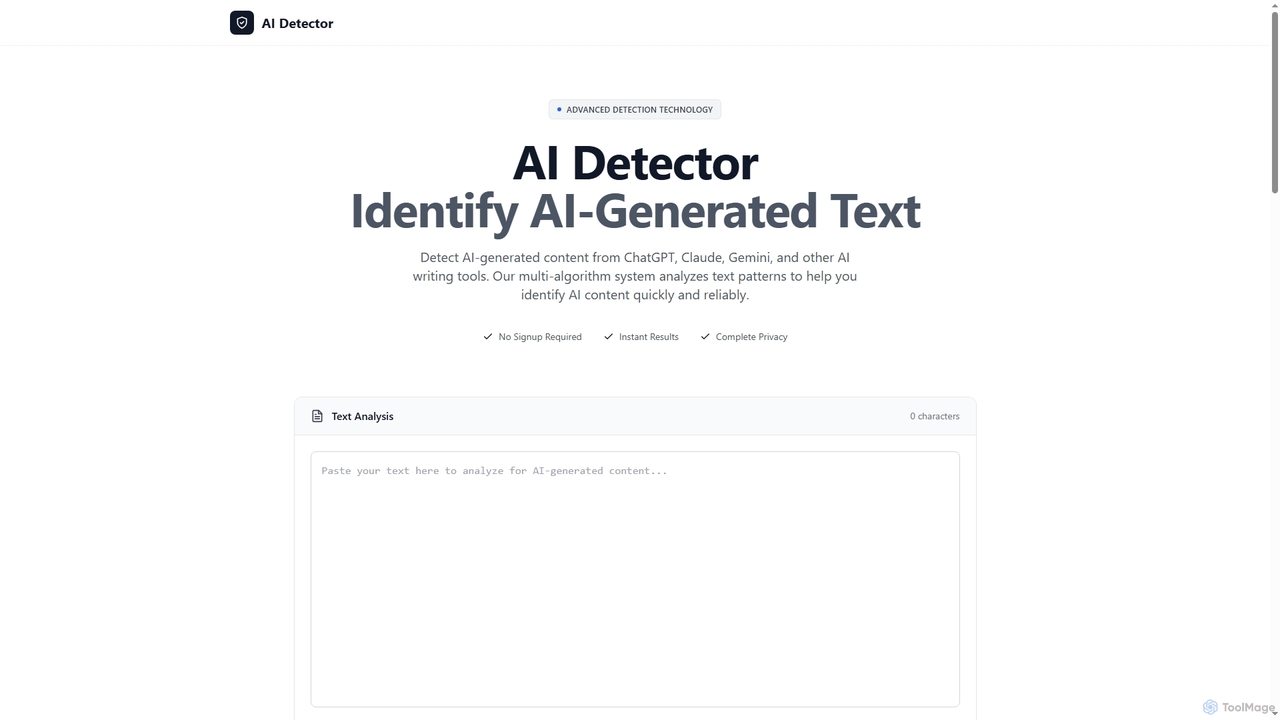
AIDetector is an advanced, multi-algorithm AI content detection tool designed to accurately identify text generated by leading AI …

4.3K
Detext

Detext

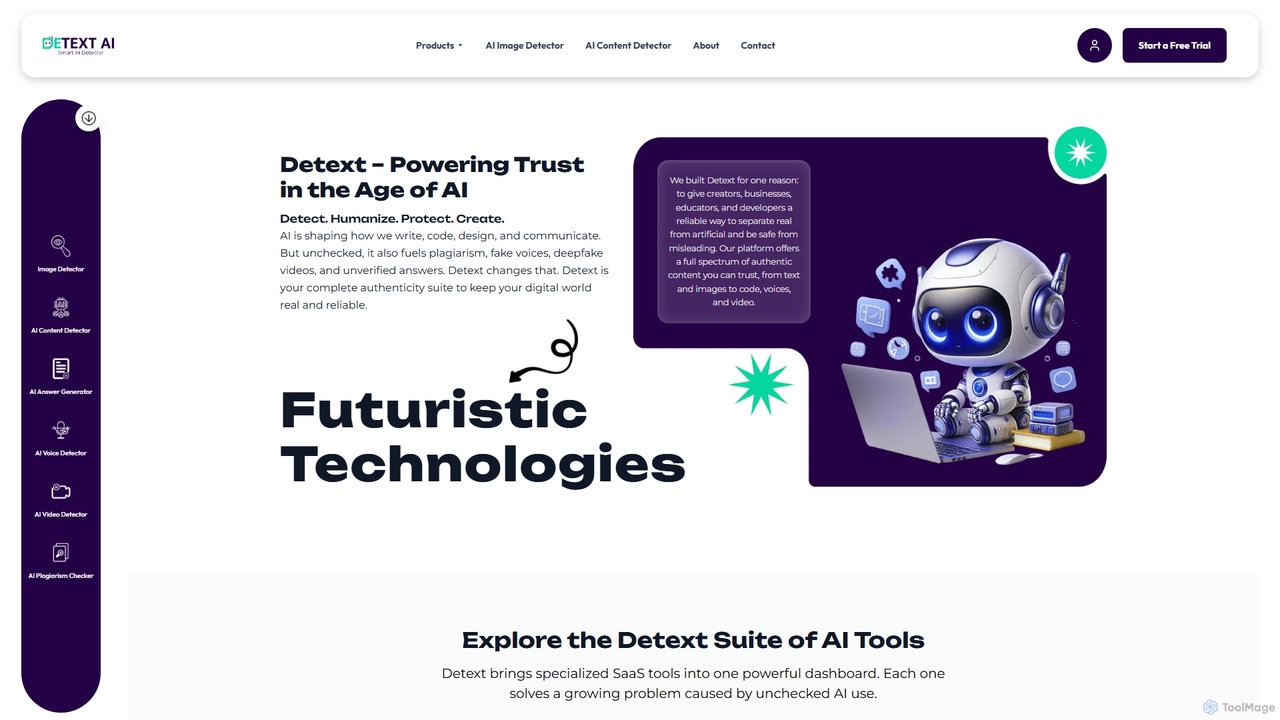
Detext is a comprehensive AI authenticity suite offering advanced tools to detect AI-generated content across text, images, audio, …

2.7K

About Content Detection

Content Detection tools are AI-powered solutions designed to identify and analyze various characteristics within digital content, including its origin, authenticity, and underlying sentiment. Leveraging advanced machine learning and natural language processing, these tools can discern patterns indicative of AI generation, plagiarism, deepfakes, or specific emotional tones. They provide critical insights for maintaining integrity, ensuring compliance, and protecting brand reputation across diverse digital platforms.

Core Features

  • AI-Generated Text Detection: Identifies content likely produced by large language models, distinguishing it from human-written text.
  • Plagiarism Checking: Compares submitted content against vast databases of existing texts to detect unoriginal or copied material.
  • Deepfake and Synthetic Media Identification: Analyzes images, audio, and video to uncover manipulations or AI-generated elements.
  • Sentiment Analysis: Determines the emotional tone (positive, negative, neutral) expressed within text, useful for brand monitoring.
  • Brand Safety & Compliance Monitoring: Scans content for inappropriate language, copyrighted material, or adherence to specific guidelines.

Use Cases

Content Detection tools are invaluable across various sectors. Educators use them to verify the originality of student assignments and detect AI-assisted cheating. Publishers and media outlets deploy these tools to ensure journalistic integrity, prevent plagiarism, and identify misinformation or deepfake news. Marketers and brand managers leverage them to monitor user-generated content for brand safety, sentiment, and compliance with advertising standards, protecting their reputation and ensuring authentic engagement.

How to Choose

When selecting a Content Detection tool, consider its accuracy and false positive rate, especially for AI-generated content. Evaluate the range of content types it can analyze (text, image, audio, video) and its language support. Look for robust reporting features that provide detailed insights and sources. Finally, assess its integration capabilities with existing workflows and platforms, along with its pricing model and scalability to meet your specific needs.

Content DetectionUse Cases

1

Verifying Student Assignment Originality

Educators and academic institutions utilize Content Detection tools to ensure the authenticity of student submissions. By scanning essays, reports, and research papers, these tools can identify instances of plagiarism from online sources or detect patterns characteristic of AI-generated text, helping to uphold academic integrity and provide fair assessments. This process saves significant time compared to manual checks and provides objective evidence for discussions with students.

2

Protecting Brand Reputation in UGC

Brand managers and social media teams employ Content Detection to monitor user-generated content (UGC) across platforms. These tools automatically scan comments, reviews, and posts for inappropriate language, hate speech, or content that violates brand guidelines. This proactive detection helps prevent reputational damage, ensures a safe online community, and allows for swift moderation of harmful content, maintaining a positive brand image.

3

Ensuring Journalistic Integrity and Fact-Checking

News organizations and fact-checkers use Content Detection to verify the authenticity of submitted articles, images, and videos. They can quickly identify plagiarized content, detect deepfakes or manipulated media, and flag AI-generated news stories. This application is crucial for combating misinformation, maintaining editorial standards, and building trust with their audience by ensuring the content they publish is credible and original.

4

Monitoring Copyright Infringement for Digital Assets

Content creators, artists, and intellectual property holders leverage Content Detection to protect their digital assets. These tools can scan the web for unauthorized use of their images, videos, or written content, identifying instances of copyright infringement. This allows creators to take timely action against misuse, protecting their intellectual property rights and ensuring they receive proper attribution or compensation for their work.

5

Enhancing Content Moderation for Online Platforms

Online platform administrators and community managers use Content Detection to scale their content moderation efforts. The tools automatically identify and flag content that violates platform policies, such as spam, phishing attempts, explicit material, or harassment. This automation significantly reduces the manual workload, ensures a safer and more compliant environment for users, and helps platforms adhere to regulatory requirements.

6

Validating Authenticity of Online Reviews and Feedback

E-commerce businesses and service providers deploy Content Detection to analyze customer reviews and feedback for authenticity. These tools can identify suspicious patterns, repetitive phrasing, or characteristics of AI-generated reviews that might indicate fake testimonials. By filtering out inauthentic feedback, businesses can maintain consumer trust, make data-driven improvements based on genuine opinions, and prevent manipulation of their product ratings.

Content DetectionFrequently Asked Questions