ToolMage
Sign in

Best 1 Content Protection AI tools for Content Management

Popular Content Protection AI tools in Content Management include AgentShield, helping you work more efficiently.

AgentShield
Freemium

AgentShield

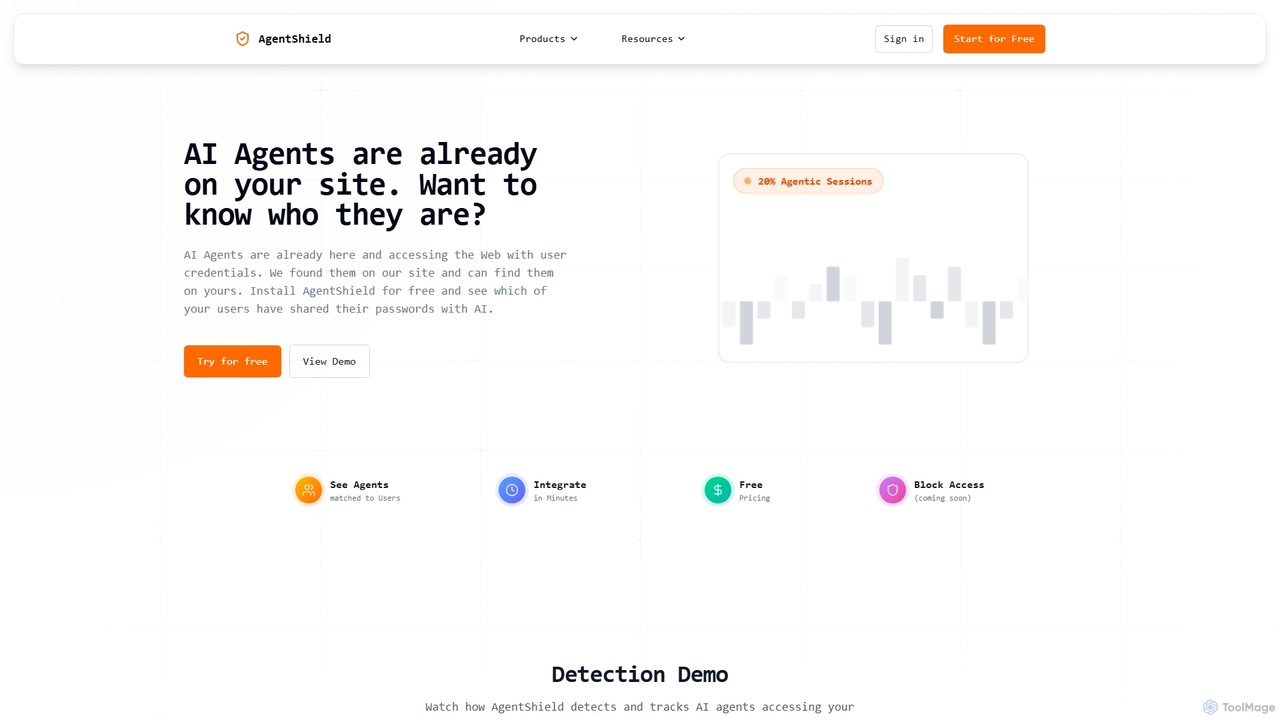
AgentShield is an advanced AI agent detection and protection solution designed to identify and track AI agents accessing your website using user credentials. It offers free, easy installation and real-time, cryptographically verified detection, helping businesses understand who is sharing their site access with AI.

Website Analytics
Visits 5.4KFavorites 119Likes 114

About Content Protection

Content Protection tools are AI-powered solutions designed to safeguard digital assets from unauthorized use, plagiarism, and copyright infringement. These tools leverage advanced artificial intelligence, including natural language processing and computer vision, to continuously monitor content across various platforms. Their primary value lies in helping creators, businesses, and publishers maintain the originality, integrity, and ownership of their intellectual property in an increasingly digital world.

Core Features

  • Plagiarism Detection: Identifies instances where text, code, or ideas have been copied without proper attribution.
  • Copyright Monitoring: Scans the web and social media for unauthorized distribution or use of copyrighted images, videos, and audio.
  • Digital Watermarking: Embeds invisible or visible markers into content to prove ownership and track usage.
  • Content Authentication: Verifies the originality and source of content, crucial for combating deepfakes and AI-generated misinformation.
  • Automated Takedown Requests: Facilitates the process of issuing legal notices for infringing content found online.

Applicable Scenarios

Content Protection tools are essential for individuals and organizations that produce valuable digital content. Content creators, such as writers, photographers, and musicians, use them to protect their original works. Publishers and media companies deploy these tools to prevent unauthorized syndication and ensure revenue streams. E-learning platforms and corporate trainers utilize them to secure proprietary course materials and prevent intellectual property theft.

How to Choose

When selecting an AI content protection tool, consider its detection accuracy and the types of content it supports (text, image, video, audio). Evaluate the scope of its monitoring capabilities, including web, social media, and specific databases. Look for features like real-time alerts, comprehensive reporting, and integration with existing content management systems. Finally, assess the ease of use, pricing model, and the effectiveness of its automated enforcement or takedown assistance features.

Content Protection use cases

1

Protecting Original Articles from Plagiarism

A freelance writer or online publisher uses AI content protection to scan their newly published articles across the internet. The tool automatically detects instances where their unique content has been copied by other websites or blogs without permission, providing evidence for potential takedown requests and safeguarding their intellectual property and SEO ranking.

2

Monitoring Brand Assets for Unauthorized Use

A marketing team for a global brand employs content protection AI to continuously monitor the web, social media, and e-commerce sites for unauthorized use of their logos, product images, and promotional videos. This helps them quickly identify counterfeit products, brand impersonations, and misuse of copyrighted material, protecting brand reputation and revenue.

3

Securing Proprietary E-learning Course Materials

An educational institution or online course provider utilizes AI content protection to embed digital watermarks into their video lectures, PDFs, and interactive modules. The system then monitors file-sharing sites and forums, alerting them to any unauthorized distribution of their copyrighted educational content, thereby preserving the value of their offerings.

4

Detecting Infringement of Digital Photography and Art

A professional photographer or digital artist uses AI tools to track their portfolio images and artworks across the web. The AI employs computer vision to identify exact or near-exact copies of their work being used on commercial websites, merchandise, or social media without license, enabling them to pursue licensing fees or initiate infringement claims.

5

Ensuring Authenticity of AI-Generated Content

A company that creates AI-generated marketing copy or design elements needs to ensure the originality and authenticity of its output. Content protection tools can help by verifying that the AI-generated content is unique and not inadvertently plagiarized from existing sources, and by embedding provenance data to prove its origin, preventing claims of deepfake or misinformation.

6

Preventing Unauthorized Streaming of Live Events

A sports league or entertainment company uses real-time AI content protection to monitor live streams across various platforms during events. The AI quickly identifies unauthorized broadcasts of their copyrighted content, allowing them to issue immediate takedown notices and protect their exclusive broadcasting rights and subscription revenues.

Content Protection FAQ

What are AI Content Protection tools?

AI Content Protection tools are software solutions that leverage artificial intelligence to detect, monitor, and prevent the unauthorized use, plagiarism, or infringement of digital content. They are crucial for safeguarding intellectual property, ensuring content originality, and maintaining brand integrity across the internet. These tools often employ advanced algorithms for text analysis, image recognition, and video fingerprinting.

How do I choose the right AI content protection tool for my needs?

When selecting an AI content protection tool, consider several key factors. First, evaluate the types of content you need to protect (e.g., text, images, video, audio) and the accuracy of the tool's detection capabilities for each. Second, assess its monitoring scope, including which platforms it scans (web, social media, specific databases). Third, look for features like real-time alerts, comprehensive reporting, and options for automated takedown requests. Finally, consider integration with your existing workflows and your budget.

What's the difference between Content Protection and general Content Management?

Content Management broadly refers to the processes and systems for creating, storing, organizing, and distributing digital content throughout its lifecycle. Content Protection, on the other hand, is a specialized subset focused specifically on safeguarding that content from misuse, infringement, and unauthorized distribution. While content management ensures content is accessible and organized, content protection ensures it remains secure, original, and compliant with copyright laws, acting as a defensive layer within the broader content management ecosystem.

What types of content can AI content protection tools effectively protect?

AI content protection tools are highly versatile and can effectively protect a wide range of digital content formats. This includes written text (articles, books, code), images (photographs, illustrations, logos), videos (films, tutorials, live streams), and audio (music, podcasts, voiceovers). Advanced AI algorithms can detect various forms of infringement, from direct copying and paraphrasing to visual similarities and unauthorized re-uploads, across diverse online platforms.

Why is AI content protection important for creators and businesses today?

In the digital age, content is easily copied and distributed, making AI content protection vital. For creators, it safeguards their intellectual property, ensuring they receive proper attribution and compensation for their original work. For businesses, it protects brand reputation, prevents revenue loss from piracy, and maintains the integrity of their digital assets. It also helps in legal compliance and provides actionable evidence for enforcing copyright, making it an essential tool for anyone producing valuable digital content.