Content Marketing Best in category 1 results Content Strategy AI Tool

Popular AI tools in the Content Strategy field of Content Marketing include Pixo Labs, etc., helping you quickly improve efficiency.

Pixo Labs

Pixo Labs

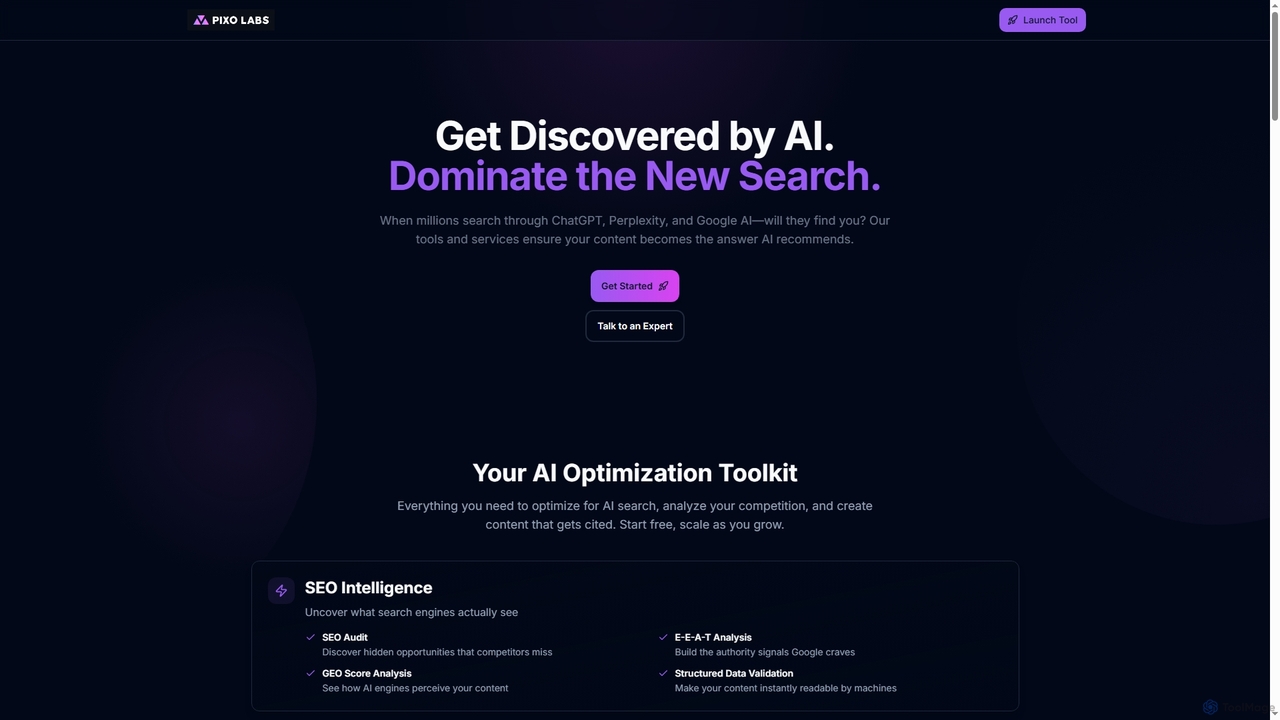
Pixo Labs is an AI-first platform and service designed to help businesses dominate the new era of generative …

3.0K

About Content Strategy

Content Strategy AI tools are specialized platforms that leverage artificial intelligence to optimize the planning, creation, distribution, and analysis of content. These tools utilize data analytics, natural language processing (NLP), and machine learning to identify audience needs, predict content performance, and streamline strategic decision-making. They empower marketers and content teams to develop more effective and data-driven content initiatives, ensuring alignment with business goals within the broader context of content marketing.

Core Features

  • Audience Analysis: AI analyzes demographic data, interests, and online behavior to identify target audience segments and their content preferences.
  • Topic Ideation & Research: Generates relevant content ideas, identifies trending topics, and uncovers keyword opportunities based on market data and competitor analysis.
  • Content Calendar Optimization: Suggests optimal publishing schedules and content types for various channels to maximize reach and engagement.
  • Performance Prediction: Forecasts the potential impact, reach, and engagement of planned content pieces before publication.
  • SEO Strategy Integration: Provides recommendations for keyword optimization, content structure, and internal linking to improve search engine visibility.

Applicable Scenarios

Content Strategy AI tools are invaluable for marketing agencies, in-house content teams, and individual content creators who need to develop robust, data-backed content plans. They assist in scenarios ranging from launching new product campaigns to optimizing evergreen content for long-term SEO performance, ensuring every piece of content serves a strategic purpose.

How to Choose

When selecting a Content Strategy AI tool, consider its AI capabilities for data analysis and prediction, the breadth of its topic research and ideation features, and its integration with existing content management and marketing platforms. Evaluate its ability to provide actionable insights, customization options for your specific content goals, and the clarity of its reporting and analytics dashboards.

Content StrategyUse Cases

1

Develop a Data-Driven Editorial Calendar

A content manager for an e-commerce brand uses Content Strategy AI to analyze seasonal trends, competitor content, and audience engagement data. The AI suggests high-performing topics, optimal publishing times, and content formats (e.g., blog posts, videos, social media updates) for the next quarter. This allows the manager to build a comprehensive editorial calendar that maximizes reach and aligns with product launch cycles, saving weeks of manual research and planning.

2

Identify Untapped Content Opportunities

An SEO specialist for a SaaS company uses Content Strategy AI to perform deep keyword research and competitor analysis. The AI identifies long-tail keywords with high search volume but low competition, as well as content gaps in the market that competitors are not addressing. This enables the specialist to propose new content pillars and topics that can quickly rank, driving organic traffic and establishing thought leadership in niche areas, leading to a 20% increase in qualified leads.

3

Optimize Existing Content for Better Performance

A digital marketing team uses Content Strategy AI to audit their extensive blog archive. The AI analyzes each article's SEO performance, readability, and engagement metrics, then suggests specific improvements. This includes recommending updated keywords, identifying sections for expansion or removal, and proposing internal linking opportunities. By implementing these AI-driven suggestions, the team can revitalize older content, improving its search engine rankings and extending its lifecycle without creating entirely new pieces.

4

Personalize Content Recommendations for Users

A media publisher leverages Content Strategy AI to analyze individual user browsing history, engagement patterns, and demographic data. The AI then dynamically recommends articles, videos, or podcasts tailored to each user's specific interests and past interactions. This personalization significantly increases time on site and content consumption, leading to higher subscription rates and improved user loyalty by ensuring users always find relevant and engaging content.

5

Forecast Content Performance and ROI

A brand manager planning a major content campaign uses Content Strategy AI to simulate the potential reach, engagement, and conversion rates of different content types and distribution channels. The AI provides data-backed predictions on which content pieces are most likely to achieve specific KPIs and estimates the potential return on investment. This allows the manager to allocate budget and resources more effectively, focusing on strategies with the highest predicted impact and minimizing risks.

6

Streamline Multi-Channel Content Distribution Strategy

A social media marketing agency utilizes Content Strategy AI to optimize its clients' content distribution across various platforms. The AI analyzes audience behavior on each channel (e.g., Instagram, LinkedIn, TikTok), identifies peak engagement times, and suggests content adaptations (e.g., video length, image formats, caption styles) for maximum impact. This ensures that content is not only strategically planned but also effectively delivered to the right audience on the right platform at the optimal moment, boosting overall campaign effectiveness.

Content StrategyFrequently Asked Questions