Cooking Best in category 1 results Recipe Generation AI Tool

Popular AI tools in the Recipe Generation field of Cooking include QuickDish, etc., helping you quickly improve efficiency.

QuickDish

QuickDish

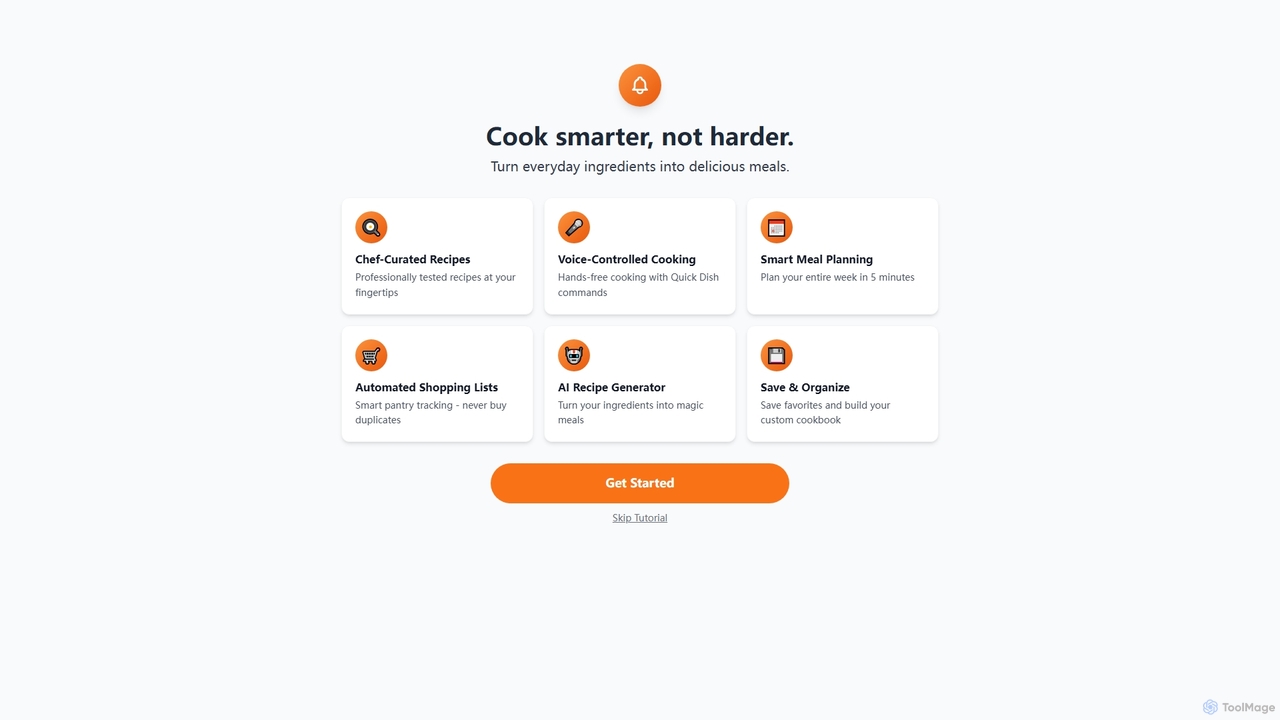
QuickDish is an innovative AI-powered platform designed to simplify home cooking. It transforms everyday ingredients into delicious, chef-curated …

3.0K

About Recipe Generation

Recipe Generation tools are AI-powered platforms that automatically create new and unique recipes based on user-defined criteria. These tools leverage advanced natural language processing, machine learning, and extensive food databases to suggest ingredient combinations, cooking methods, and nutritional information. They offer immense value to home cooks, professional chefs, and food bloggers by sparking creativity, saving time in meal planning, and assisting with content creation.

Core Features

  • Ingredient-Based Generation: Creates recipes from a list of available ingredients, minimizing food waste.
  • Dietary & Allergy Customization: Generates recipes tailored to specific dietary restrictions (e.g., vegan, keto, gluten-free) and allergy concerns.
  • Cuisine & Dish Type Selection: Allows users to specify desired cuisine styles (e.g., Italian, Mexican, Asian) or dish types (e.g., dessert, main course, soup).
  • Nutritional Analysis: Provides estimated calorie counts, macronutrient breakdowns, and other nutritional facts for generated recipes.
  • Step-by-Step Instructions: Delivers clear, easy-to-follow cooking instructions, often with preparation times and serving suggestions.

Use Cases

These tools are invaluable for individuals and professionals in the culinary world. Home cooks can use them for daily meal planning, discovering new dishes, or utilizing leftover ingredients. Food bloggers and content creators can rapidly generate unique recipe ideas for their platforms, while professional chefs can find inspiration for new menu items or adapt existing recipes for specific client needs.

How to Choose

When selecting a recipe generation tool, consider its database size and diversity for ingredient and cuisine options. Evaluate its customization capabilities for dietary needs and allergies, ensuring it meets specific health requirements. Check for the clarity and detail of generated instructions, and assess the accuracy of its nutritional analysis. Finally, consider the user interface and ease of integration with other cooking or planning apps.

Recipe GenerationUse Cases

1

Personalized Meal Planning for Dietary Needs

A health-conscious individual or nutritionist uses a recipe generation tool to quickly create a week's worth of gluten-free, low-carb, or vegan meals. By inputting specific dietary restrictions and preferred ingredients, the tool generates varied and nutritionally balanced recipes, saving hours of manual searching and ensuring adherence to health goals. This streamlines meal prep and promotes healthier eating habits.

2

Utilizing Leftover Ingredients for New Dishes

A home cook with a refrigerator full of miscellaneous leftovers and expiring produce can input these ingredients into a recipe generation tool. The AI then suggests creative and practical recipes that incorporate these items, preventing food waste and inspiring new culinary creations. This helps users maximize their groceries and discover unexpected meal ideas.

3

Generating Unique Content for Food Blogs and Social Media

A food blogger or content creator needs a constant stream of fresh recipe ideas to engage their audience. By using a recipe generation tool, they can quickly brainstorm and develop unique recipes based on trending ingredients, seasonal themes, or specific cuisine requests. This accelerates content production, maintains audience interest, and provides a competitive edge in a crowded digital space.

4

Inspiring Professional Chefs for Menu Development

Professional chefs constantly seek innovation for their restaurant menus. A recipe generation tool can serve as a powerful brainstorming partner, suggesting novel ingredient pairings, fusion cuisine concepts, or modern twists on classic dishes. This helps chefs overcome creative blocks, experiment with new flavors, and efficiently develop diverse and appealing menu options that keep diners engaged.

5

Educating Culinary Students with Diverse Recipe Examples

Culinary students can use recipe generation tools to explore a vast array of cooking techniques, ingredient pairings, and cultural cuisines. By generating recipes for specific themes or ingredients, students can deepen their understanding of food science and culinary principles. This hands-on approach to learning provides diverse examples beyond traditional textbooks, fostering creativity and practical knowledge.

6

Automating Recipe Creation for Food Product Development

Food manufacturers and product developers can leverage recipe generation tools to rapidly prototype new food products. By inputting target flavor profiles, nutritional goals, and ingredient constraints, the AI can suggest innovative formulations. This significantly reduces the time and cost associated with traditional R&D, allowing for faster market entry of new and optimized food items.

Recipe GenerationFrequently Asked Questions