Best of the Year 1 results Cooking AI Tools

Popular AI tools in the Cooking field include QuickDish, etc., helping you quickly improve efficiency.

QuickDish

QuickDish

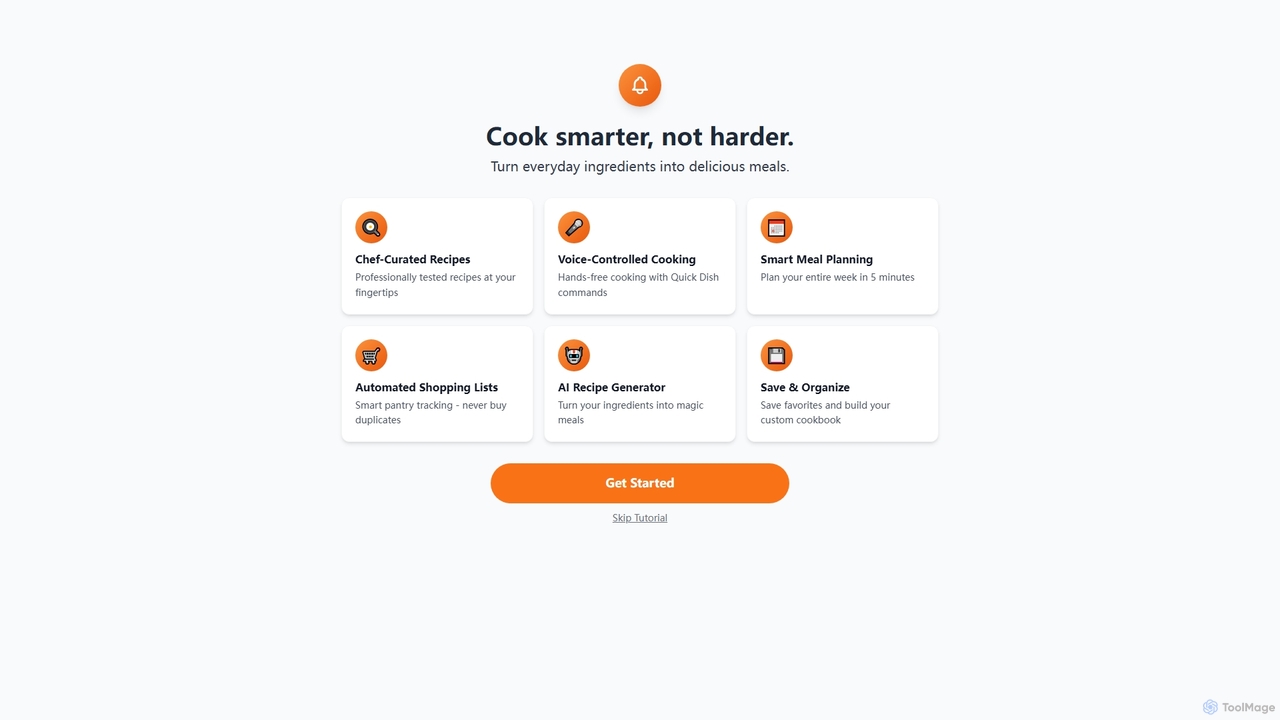
QuickDish is an innovative AI-powered platform designed to simplify home cooking. It transforms everyday ingredients into delicious, chef-curated …

3.5K

About Cooking

Cooking AI tools are AI-powered applications designed to assist users in various culinary tasks, from recipe generation and meal planning to cooking guidance and dietary management. These innovative tools leverage artificial intelligence, machine learning, and natural language processing to understand user preferences, dietary restrictions, and available ingredients. Their primary value lies in simplifying the cooking process, inspiring creativity in the kitchen, and promoting healthier eating habits through personalized recommendations and automated planning, making gourmet cooking accessible to everyone.

Core Features

  • Personalized Recipe Generation: Creates unique recipes based on user input like available ingredients, dietary needs, cuisine preferences, cooking time, and skill level.
  • Meal Planning & Management: Develops weekly or monthly meal plans tailored to individual or family needs, generates comprehensive shopping lists, and helps track nutritional intake.
  • Cooking Guidance & Instruction: Provides clear, step-by-step cooking instructions, often with video tutorials, and offers real-time assistance during meal preparation, including timers and troubleshooting tips.
  • Ingredient Optimization & Substitution: Suggests creative recipes using available ingredients to minimize food waste and offers intelligent substitutions for missing items or dietary restrictions.
  • Dietary & Nutritional Analysis: Analyzes recipes and meals for detailed nutritional content, identifies potential allergens, and ensures adherence to specific diets (e.g., keto, vegan, gluten-free, low-carb).

Use Cases

Individuals seeking to diversify their daily meals, busy professionals needing efficient and healthy meal prep solutions, or those with specific dietary requirements such as allergies or health conditions benefit immensely from these tools. They empower home cooks to explore new cuisines, manage complex food sensitivities, or plan nutritious meals for their families without extensive manual research or culinary expertise, transforming the daily cooking routine.

How to Choose

When selecting a Cooking AI tool, consider its recipe database size and diversity, ensuring it aligns with your culinary interests. Evaluate the level of personalization offered for dietary needs, preferences, and skill levels. Assess the ease of use and interface design, as well as its integration capabilities with smart kitchen appliances or other health apps. Finally, compare pricing models and look for features like automated shopping list generation, comprehensive nutritional tracking, and real-time cooking assistance that align with your specific culinary goals and lifestyle.

CookingUse Cases

1

Personalized Recipe Discovery

A home cook with limited ingredients in their pantry can input what they have, along with their dietary preferences (e.g., vegetarian, gluten-free). The AI tool then generates several unique and delicious recipe ideas, preventing food waste and inspiring new meals without a trip to the grocery store.

2

Personalized Weekly Meal Planning

A busy parent needs to plan healthy, diverse meals for their family while accommodating a child's gluten allergy and a spouse's preference for vegetarian dishes. An AI cooking tool can generate a customized weekly meal plan, suggest recipes that meet all dietary restrictions and preferences, and automatically create a shopping list, saving hours of planning and ensuring balanced nutrition.

3

Efficient Weekly Meal Planning

A busy parent needs to plan healthy and varied meals for their family for the entire week, considering different tastes and time constraints. The AI cooking assistant can generate a balanced weekly meal plan, complete with a shopping list, saving hours of planning and grocery store trips.

4

Ingredient-Based Recipe Discovery

A home cook has a refrigerator full of leftover vegetables and wants to avoid food waste but lacks inspiration. They can input the available ingredients into an AI cooking assistant, which then suggests several creative and delicious recipes, providing step-by-step instructions and even offering substitutions for missing items, turning potential waste into a gourmet meal.

5

Adapting Recipes for Dietary Needs

An individual with a nut allergy wants to make a specific cake recipe but needs a safe substitute for almond flour. The AI tool can analyze the recipe, suggest appropriate nut-free alternatives, and adjust ingredient quantities to maintain the desired texture and flavor, ensuring safe and enjoyable baking.

6

Dietary Management for Health Goals

An individual is following a strict ketogenic diet to manage their weight and health, requiring precise macronutrient tracking. An AI cooking tool can generate keto-compliant recipes, analyze the nutritional breakdown of meals, and help track daily intake, ensuring they stay within their dietary targets without constant manual calculation.

7

Learning New Cooking Techniques

An aspiring chef wants to master a complex French sauce. The AI tool provides detailed, step-by-step instructions, often with video links or interactive guides, breaking down the technique into manageable steps and offering tips for common pitfalls, accelerating their learning curve.

8

Learning New Cuisines & Techniques

An aspiring chef wants to explore authentic Thai cuisine but is unfamiliar with the ingredients and cooking methods. An AI cooking assistant can provide a curated list of traditional Thai recipes, explain unique ingredients, offer video tutorials for specific techniques, and guide them through the cooking process, enhancing their culinary skills.

9

Optimizing Ingredient Usage

A small restaurant owner wants to minimize food waste by using up surplus seasonal vegetables. The AI tool can suggest creative recipes that incorporate these specific ingredients, helping the restaurant develop daily specials and manage inventory more effectively, reducing costs.

10

Automated Shopping List Generation

A household frequently forgets essential items when grocery shopping, leading to last-minute trips. By integrating with a meal planner, an AI cooking tool can automatically compile a comprehensive shopping list based on upcoming meals, categorize items by aisle, and even suggest quantities, streamlining the grocery experience and reducing forgotten purchases.

11

Interactive Cooking Guidance

During cooking, a user needs real-time assistance with a tricky step, like kneading dough or tempering chocolate. The AI tool, often voice-activated, can provide immediate instructions, answer questions about technique, or even set timers, acting as a virtual sous chef.

12

Real-time Cooking Assistance

During a complex recipe, a novice cook struggles with timing multiple components or understanding a specific step. An AI cooking assistant can provide real-time voice-guided instructions, set timers for different dishes, answer immediate questions about techniques or ingredient amounts, and offer troubleshooting tips, ensuring a smoother and more successful cooking experience.

CookingFrequently Asked Questions