ToolMage
Sign in

Best 3 Corporate AI tools

Popular Corporate AI tools include Immerse, Nolej, and VPT.FIT, helping you work more efficiently.

VPT.FIT
Freemium

VPT.FIT

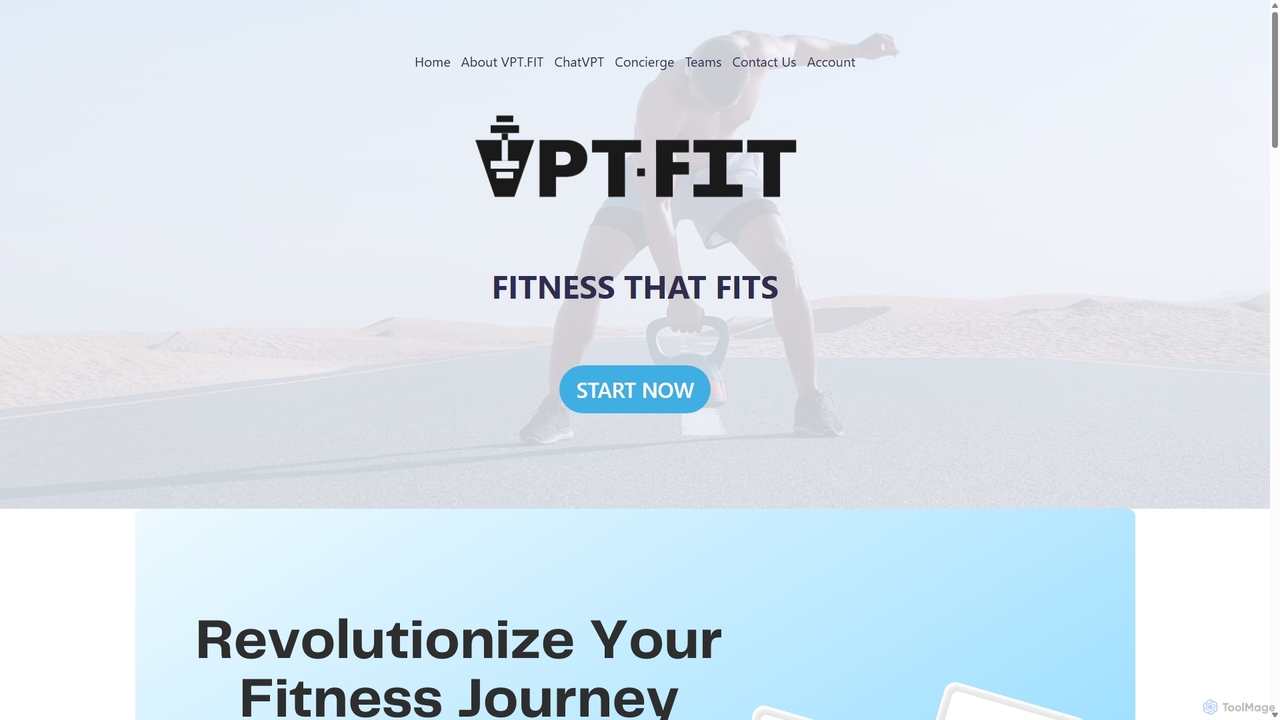
VPT.FIT is an AI-powered fitness platform that delivers customized workout and nutrition plans. It combines artificial intelligence with expert human coaching to create unique fitness experiences for individuals and corporate teams, adaptable to any location like home, gym, or hotel.

Wellness Programs
Visits 5.8KFavorites 108Likes 91
Nolej
Paid

Nolej

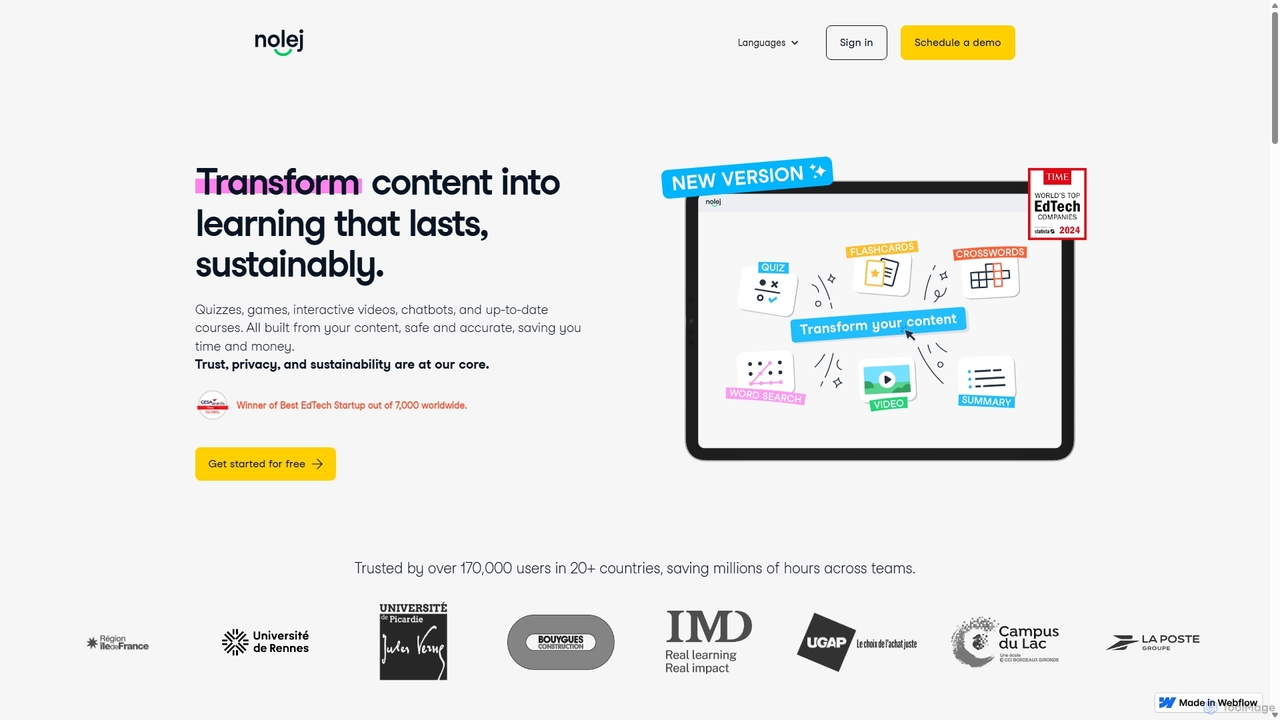
Nolej is an AI-powered learning design platform that rapidly transforms existing content like videos and PDFs into interactive e-learning courses. It automates the creation of over 15 types of learning activities, enabling educators and trainers to build engaging and accessible educational materials in minutes. With deep integration for LMS platforms like Moodle and robust export options (SCORM, H5P), Nolej streamlines the entire course creation workflow, saving significant time and effort while enhancing the learning experience.

Training
Visits 8.1KFavorites 105Likes 96
Immerse
Paid

Immerse

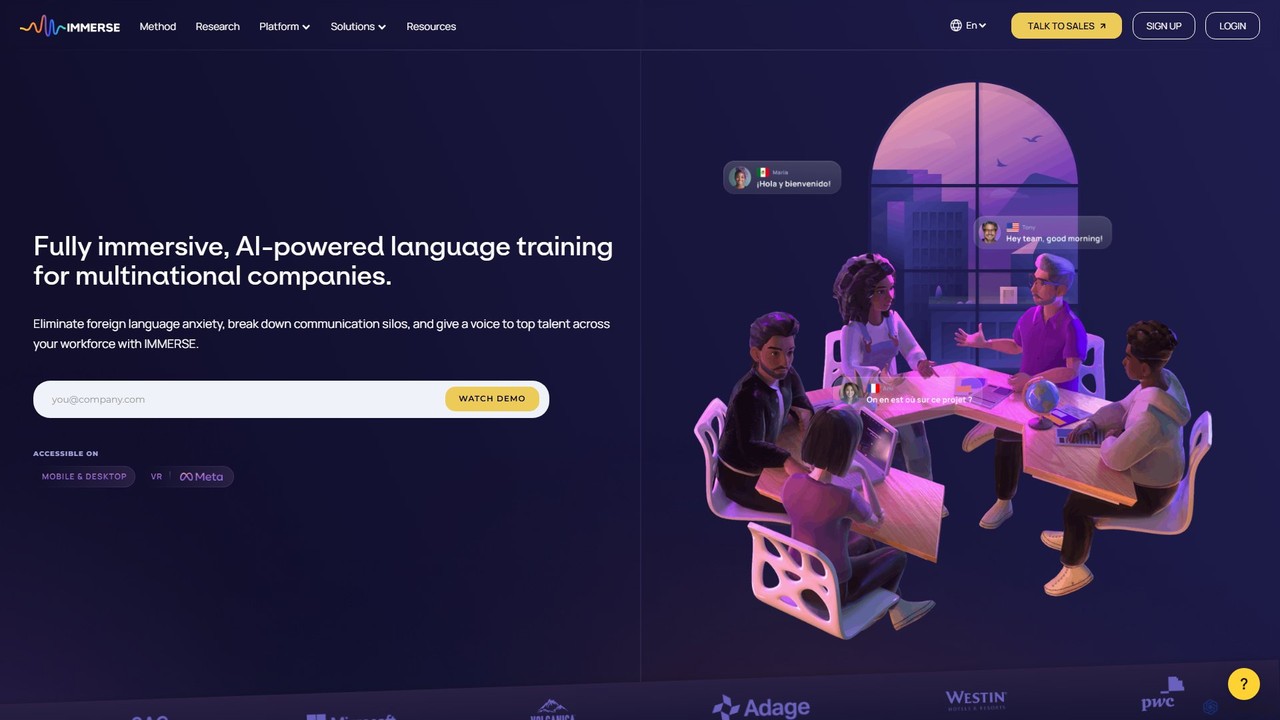
Immerse is an AI-powered language training platform for enterprises, using immersive VR, desktop, and mobile experiences. It combines AI avatar coaching, real-world simulations, and live instructor-led classes to eliminate language anxiety, boost conversational fluency, and increase employee engagement up to 9x faster than traditional methods.

Employee Training
Visits 31.3KFavorites 112Likes 129

About Corporate

Corporate AI tools are integrated software solutions designed to address the complex challenges of large organizations. They leverage machine learning, data analytics, and automation to streamline operations, enhance decision-making, and maintain a competitive edge. These platforms are built for scalability, security, and seamless integration with existing enterprise systems like ERP and CRM. Their primary value lies in transforming vast amounts of corporate data into actionable intelligence and automating high-volume, rule-based tasks across departments.

Core Features

  • Business Intelligence & Analytics: Process large datasets to identify trends, forecast outcomes, and generate strategic insights.
  • Intelligent Process Automation (IPA): Automate complex workflows in finance, HR, and operations beyond simple task repetition.
  • Enterprise-Grade Security: Utilize AI for advanced threat detection, fraud prevention, and automated compliance monitoring.
  • Knowledge Management: Power internal search engines and knowledge bases to make corporate information easily accessible.
  • CRM & Sales Enhancement: Provide predictive lead scoring, sales forecasting, and personalized customer interaction recommendations.

Applicable Scenarios

These tools are widely adopted in departments such as finance for automated auditing, human resources for talent acquisition, operations for supply chain optimization, and IT for cybersecurity management. They are essential for industries like banking, manufacturing, and healthcare that handle large-scale data and complex processes.

Selection Criteria

When selecting a corporate AI tool, prioritize its integration capabilities with your current tech stack (e.g., SAP, Salesforce). Evaluate its scalability to handle growing data volumes, its adherence to industry-specific security and compliance standards (like GDPR or HIPAA), and the availability of dedicated enterprise support and training resources.

Featured tool rankings

Corporate use cases

1

Automating Invoice Processing and Reconciliation

An accounts payable team in a multinational corporation processes thousands of invoices monthly. Using a corporate AI tool, they automate the entire workflow. The system uses Optical Character Recognition (OCR) to extract data from invoices, validates it against purchase orders, and flags discrepancies for human review. This reduces manual data entry errors by over 95%, shortens the payment cycle from weeks to days, and frees up finance professionals to focus on strategic financial analysis.

2

AI-Powered Candidate Screening and Shortlisting

A corporate HR department receives hundreds of applications for each open position. An AI recruitment tool automatically screens resumes, ranking candidates based on skills, experience, and alignment with the job description. It uses natural language processing to understand context beyond simple keywords, identifying top talent more accurately. This accelerates the hiring process, reduces unconscious bias in initial screening, and allows recruiters to spend more time engaging with the most qualified candidates.

3

Optimizing Supply Chain with Predictive Analytics

A global manufacturing company uses an AI platform to manage its complex supply chain. The tool analyzes historical data, weather patterns, and market demand to predict potential disruptions and optimize shipping routes in real-time. It provides recommendations for inventory management, helping to prevent stockouts or overstock situations. This leads to significant cost savings through reduced fuel consumption, improved delivery times, and more resilient supply chain operations.

4

Personalizing Customer Journeys at Scale

A large e-commerce enterprise delivers personalized experiences to millions of customers using an AI-driven CRM tool. The system analyzes customer behavior, purchase history, and browsing data to automatically trigger personalized email campaigns, recommend relevant products on the website, and provide sales agents with real-time insights during interactions. This approach increases customer engagement, boosts conversion rates, and improves long-term customer loyalty by making each interaction feel unique and relevant.

5

Proactive Cybersecurity Threat Detection

A Security Operations Center (SOC) in a financial institution deploys an AI-powered security tool to protect sensitive data. The system continuously monitors network traffic and user behavior to identify anomalies that may indicate a cyberattack. It can distinguish between normal activity and potential threats, such as insider threats or advanced persistent threats (APTs), much faster than human analysts. It automatically isolates threats and provides detailed reports, drastically reducing response time and minimizing potential damage.

6

Automating Contract Review and Risk Analysis

The legal department of a large corporation reviews hundreds of contracts each quarter. An AI contract analysis tool automates the initial review process by scanning legal documents to identify non-standard clauses, potential risks, and missing information based on pre-defined company policies. The tool highlights key areas for legal counsel to focus on, reducing review time by up to 80% and ensuring greater consistency and compliance across all agreements.

Corporate FAQ

What are Corporate AI tools?

Corporate AI tools are sophisticated software solutions designed for large organizations to integrate artificial intelligence into core business processes. They focus on scalability, security, and deep integration with existing enterprise systems. Key functions include advanced data analytics, process automation, and enhancing operations in departments like HR, finance, and cybersecurity.

How to choose the right AI solution for a large enterprise?

When choosing an AI solution for a corporation, consider these factors:

  • Integration: Does it seamlessly connect with your existing ERP, CRM, and other core systems?
  • Scalability: Can the platform handle your organization's current and future data volume and user load?
  • Security & Compliance: Does it meet industry-specific standards like GDPR, HIPAA, or SOC 2?
  • Vendor Support: Is enterprise-level support, training, and implementation assistance available?
How do Corporate AI tools differ from tools for small businesses?

The primary differences are in scale, complexity, and focus. Corporate AI tools are built for handling massive datasets, complex workflows, and stringent security requirements. They prioritize integration with enterprise systems (like SAP or Oracle) and offer features for governance and compliance. Tools for small businesses are typically more focused on standalone functions, are easier to set up, and have a lower cost, but lack the scalability and deep integration capabilities of enterprise solutions.

What are the key challenges in implementing AI in a corporation?

Common challenges include ensuring data quality and accessibility, as AI models require large amounts of clean data. Integrating the AI solution with legacy IT infrastructure can be complex. Other hurdles involve managing change within the organization, training employees to work with new AI-driven processes, and ensuring the ethical and compliant use of AI and data. A clear strategy and phased implementation are crucial for success.

What key business functions can be enhanced by Corporate AI?

Corporate AI can enhance nearly every business function. In Finance, it automates invoice processing and fraud detection. In Human Resources, it streamlines recruitment and employee engagement analysis. For Operations, it optimizes supply chains and predictive maintenance. In Marketing and Sales, it enables hyper-personalization and accurate sales forecasting. Finally, in IT, it strengthens cybersecurity and automates network management.