Cloud1
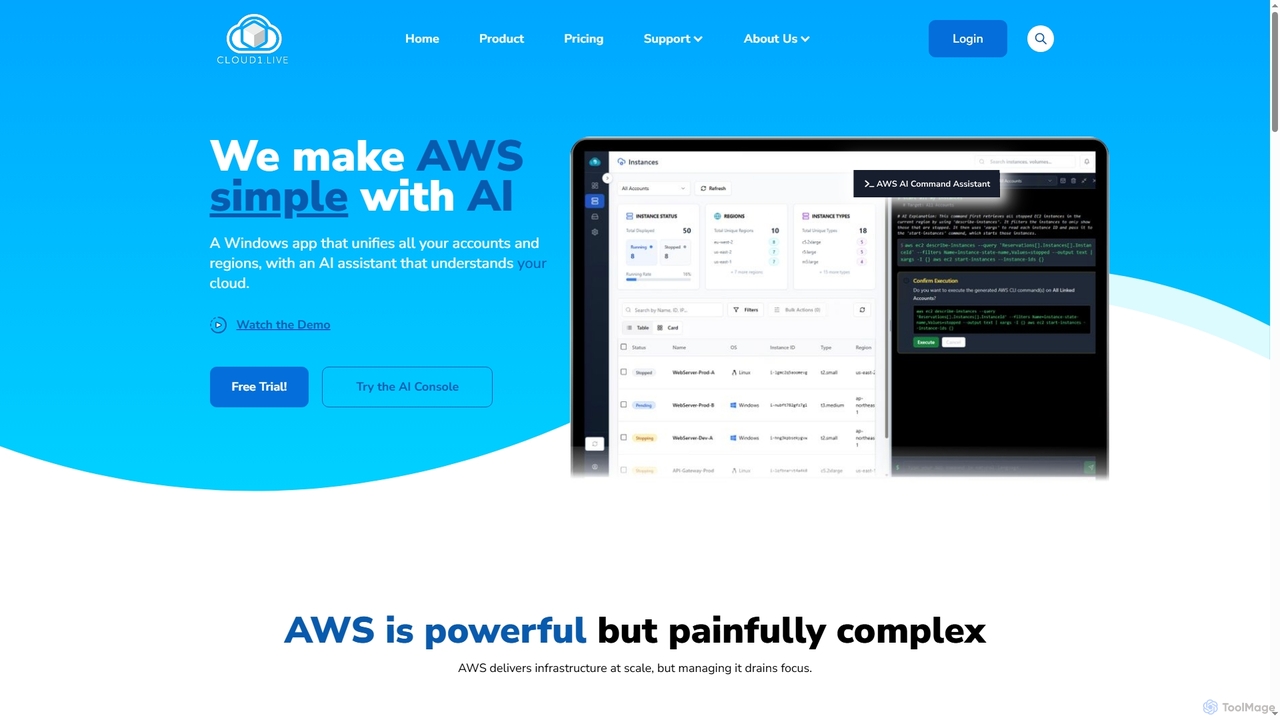
Cloud1 is an AI-powered Windows desktop application designed to simplify AWS EC2 management across multiple accounts and regions. …
Cloud1 is an AI-powered Windows desktop application designed to simplify AWS EC2 management across multiple accounts and regions. It unifies instances, enables natural language commands via an AI assistant, and offers powerful bulk actions and cost optimization insights.
TwoTrim
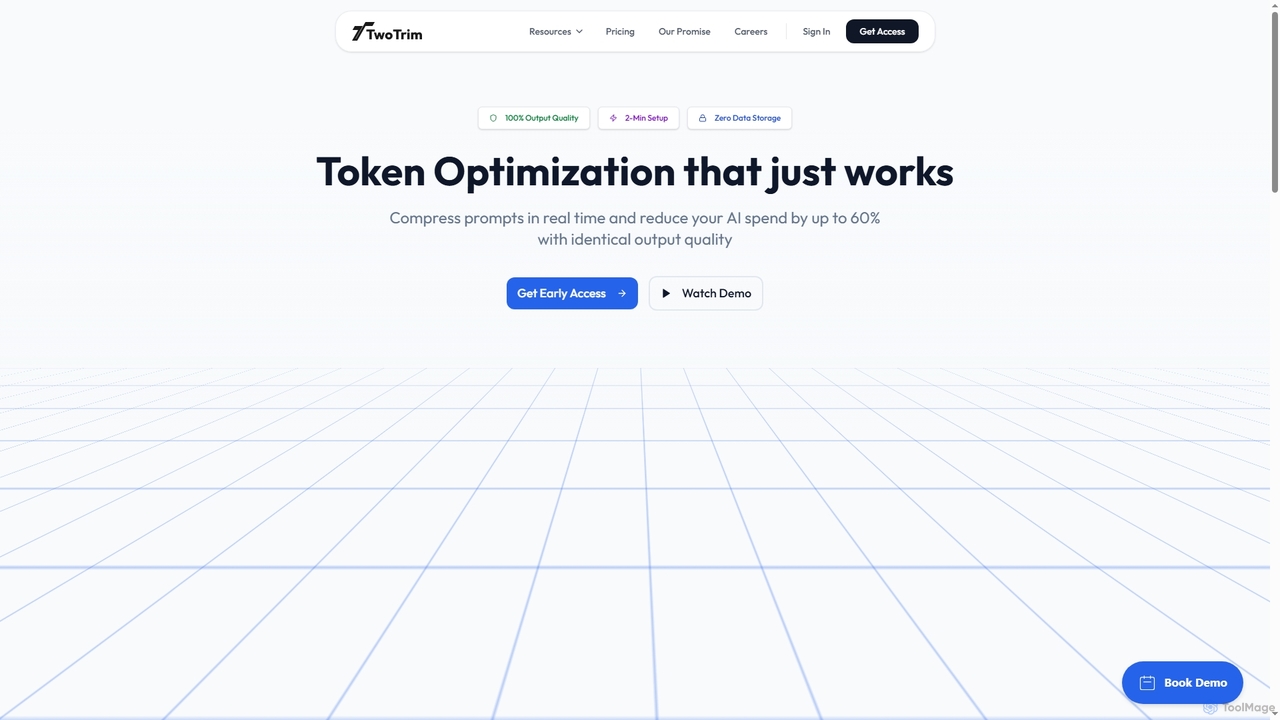
TwoTrim is an AI token optimization platform that intelligently compresses large language model prompts in real-time, reducing AI …
TwoTrim is an AI token optimization platform that intelligently compresses large language model prompts in real-time, reducing AI API costs by up to 60% while guaranteeing 100% output quality. It offers a secure, stateless, and transparent solution for enterprises.
Velona
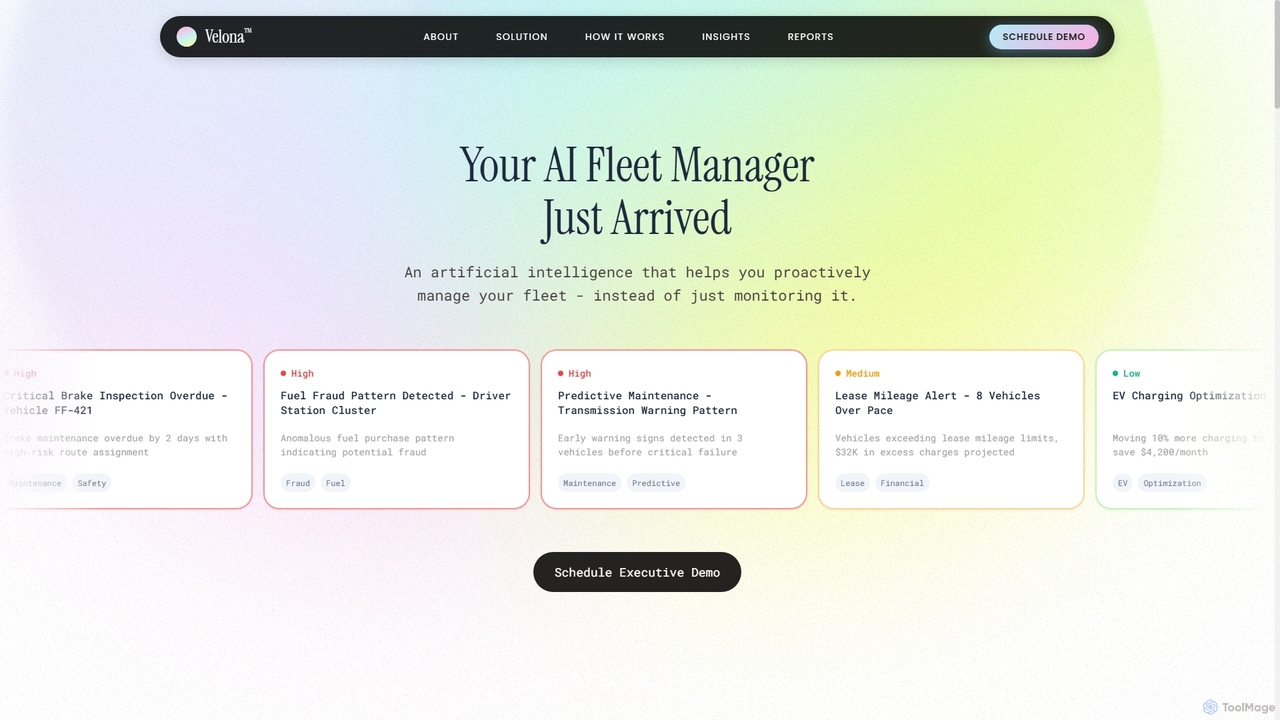
Velona is an AI-powered fleet management platform that transforms traditional monitoring into proactive, intelligent operations. It leverages specialized …
Velona is an AI-powered fleet management platform that transforms traditional monitoring into proactive, intelligent operations. It leverages specialized AI agents to detect fraud, predict maintenance needs, optimize fuel consumption, enhance driver safety, ensure compliance, and identify significant cost-saving opportunities across your entire fleet. Velona provides actionable insights and step-by-step plans through a simple, conversational interface.
About Cost Optimization
Cost Optimization tools are AI-powered platforms designed to analyze financial and operational data to identify and implement savings opportunities. They utilize machine learning algorithms for predictive forecasting, anomaly detection in spending, and in-depth analysis of resource utilization. These tools empower businesses to reduce waste, optimize budgets, and enhance financial efficiency across areas like cloud infrastructure, SaaS subscriptions, and supply chain management. Unlike traditional analysis methods, they provide proactive, data-driven recommendations to prevent cost overruns before they occur.
Core Features
- Cloud Cost Management: Monitors usage of cloud services (e.g., AWS, Azure, GCP) and suggests actions like instance resizing or terminating idle resources.
- Predictive Budget Forecasting: Uses historical data to accurately project future expenses and identify potential budget deviations.
- Spending Anomaly Detection: Automatically flags unusual transactions or consumption patterns that may indicate waste, fraud, or inefficiency.
- Automated Savings Recommendations: Generates specific, actionable advice for cost reduction, from optimizing software licenses to renegotiating supplier contracts.
- Resource Allocation Optimization: Recommends the most cost-effective distribution of resources, such as marketing spend across channels or compute power for different tasks.
Applicable Scenarios
These tools are essential for organizations with significant variable expenses, particularly in technology and operations. Key users include FinOps teams managing cloud spend, IT managers overseeing SaaS portfolios, CFOs aiming for budget accuracy, and operations directors optimizing supply chain logistics. They are valuable in industries like tech, e-commerce, manufacturing, and finance.
Selection Criteria
When choosing a Cost Optimization tool, consider its integration capabilities with your existing systems (cloud providers, ERPs). Evaluate the scope of analysis—whether it's limited to cloud costs or covers all enterprise spending. Assess the level of automation for implementing recommendations and the customizability of its reporting dashboards to match your specific KPIs.

Cost OptimizationUse Cases
Reduce Monthly Cloud Infrastructure Bills
A FinOps engineer at a fast-growing tech startup uses a cost optimization tool to analyze their AWS spending. The tool automatically scans usage data and identifies several oversized EC2 instances running development workloads and unattached EBS volumes. It provides a one-click recommendation to resize the instances and delete the orphaned volumes. By implementing these suggestions, the team reduces their monthly cloud bill by 25% without impacting application performance, freeing up capital for product development.
Optimize Marketing Campaign Budget Allocation
A marketing manager for an e-commerce brand needs to allocate a $100,000 monthly budget across multiple digital channels. An AI cost optimization tool integrates with their ad platforms (Google Ads, Facebook Ads) and analytics. It analyzes real-time cost-per-acquisition (CPA) and return on ad spend (ROAS) data. The AI recommends shifting 20% of the budget from a low-performing display campaign to a high-performing search campaign, predicting a 15% increase in overall conversions without increasing the total budget.
Manage and Reduce SaaS Subscription Spend
An IT manager at a 500-employee company is tasked with controlling spiraling SaaS costs. They deploy an AI tool that connects to their single sign-on (SSO) and finance systems. The tool analyzes login data and feature usage for over 50 SaaS applications. It identifies 30 inactive licenses for a premium project management tool and 50 users on an enterprise plan who only use basic features. The manager uses these insights to de-provision inactive accounts and downgrade user plans, resulting in an 18% reduction in annual SaaS spend.
Optimize Supply Chain and Logistics Costs
An operations manager for a retail company uses an AI platform to analyze their logistics network. The system processes data on shipping routes, carrier rates, fuel costs, and warehouse inventory levels. The AI model identifies that consolidating shipments from two smaller warehouses into a single regional hub could reduce transportation costs. It also recommends an alternative shipping carrier for a specific route that offers a 10% lower rate for the same delivery time. Implementing these changes leads to a significant reduction in overall freight expenses.
Manage Energy Consumption in Facilities
A facility manager for a large data center aims to reduce electricity costs. They implement an AI-powered energy management system that connects to smart meters and HVAC controls. The AI analyzes historical energy usage, weather forecasts, and server load patterns. It predicts peak demand periods and automatically adjusts cooling systems to pre-cool the facility during off-peak hours when electricity is cheaper. This strategy shifts energy load and results in a 12% reduction in the data center's monthly energy bill.
Analyze Procurement and Supplier Spending
A procurement officer in a manufacturing company uses an AI tool to analyze spending across hundreds of suppliers. The tool ingests invoices, purchase orders, and contracts, then uses natural language processing to categorize purchases and identify discrepancies. It flags instances where different departments are paying different prices for the same item from the same supplier. It also benchmarks supplier pricing against industry averages, highlighting opportunities for renegotiation. This analysis empowers the procurement team to consolidate purchases and negotiate better terms, identifying 8% in potential annual savings.