NanoBanana
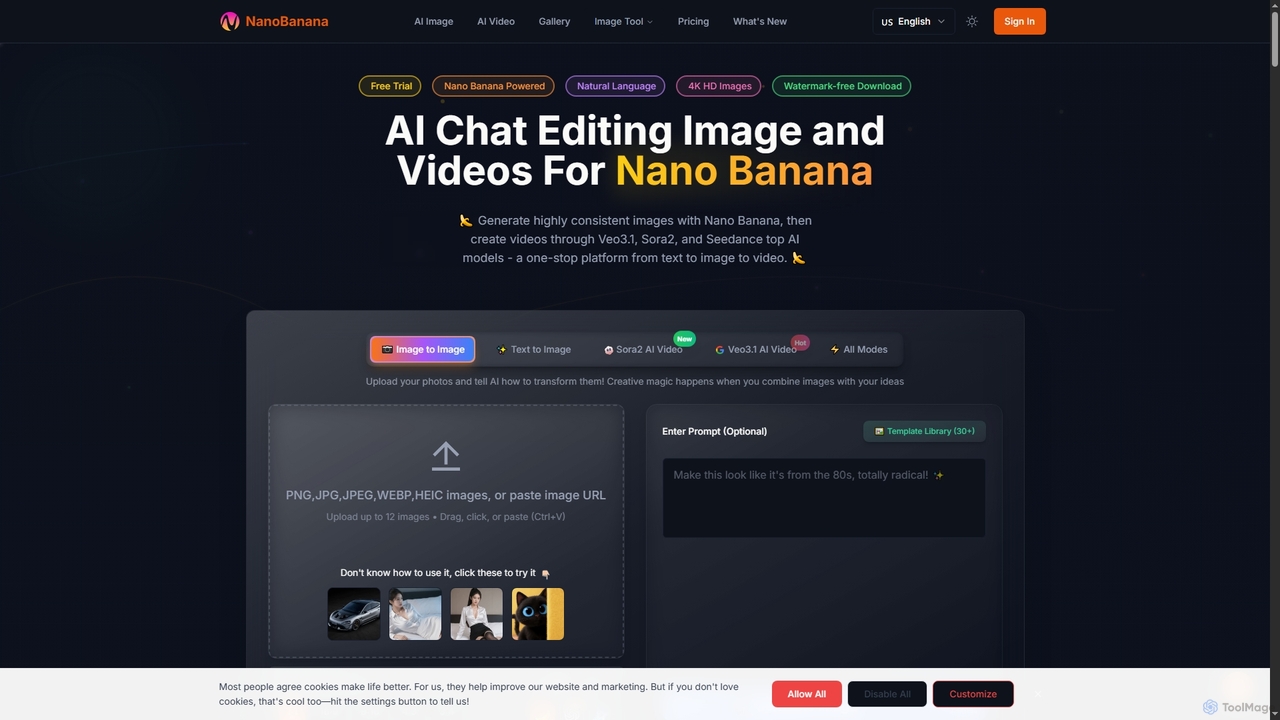
NanoBanana is an advanced AI-powered platform for generating and editing images and videos using natural language. It offers …
NanoBanana is an advanced AI-powered platform for generating and editing images and videos using natural language. It offers lightning-fast creation, high-resolution outputs, and a wide array of creative modes, making professional-quality visual content accessible to everyone from beginners to seasoned creators.
About Digital Art
Digital Art tools are AI-powered platforms that enable users to create, modify, and enhance visual artworks using artificial intelligence. These tools leverage advanced generative AI models, such as diffusion models, to transform text prompts, sketches, or existing images into unique artistic creations. They empower artists, designers, and hobbyists to explore new creative avenues, accelerate concept development, and produce high-quality visuals with unprecedented speed. This sub-category within Creative Asset Generation specifically focuses on the artistic and aesthetic aspects of AI-driven content creation.
Core Features
- Text-to-Image Generation: Create diverse artworks from descriptive text prompts, exploring various styles and themes.
- Image-to-Image Transformation: Convert existing images into new artistic styles or generate variations based on a source image.
- AI-Assisted Editing & Enhancement: Utilize AI for tasks like upscaling, inpainting (filling missing parts), and outpainting (extending images beyond original borders).
- Style Transfer: Apply the artistic style of one image to the content of another, generating unique hybrid visuals.
- 3D Asset & Texture Generation: Produce textures, materials, or even basic 3D models for use in digital art and game development.
Use Cases
Digital art tools are widely adopted by professional artists, graphic designers, content creators, and hobbyists across various industries. They are particularly valuable in accelerating creative workflows for concept art, marketing visuals, and personalized illustrations, allowing for rapid iteration and exploration of artistic ideas.
How to Choose
When selecting a digital art tool, consider its artistic style versatility and the range of models available. Evaluate the level of customization and control it offers over the generated output, as well as its integration capabilities with your existing design software. Assess the output resolution and quality, and compare pricing models and licensing terms to ensure they align with your project needs.

Digital ArtUse Cases
Generate Concept Art for Games & Films
Game artists and film concept designers utilize AI digital art tools to rapidly generate diverse concept art variations for characters, environments, or props. By inputting text descriptions or rough sketches, they can explore countless aesthetic possibilities and styles in minutes, significantly accelerating the pre-production phase and creative iteration process for visual development teams.
Create Unique Illustrations for Content Creators
Independent artists, bloggers, and content creators leverage AI digital art tools to produce unique illustrations for articles, social media posts, or personal branding. Instead of relying on stock images or time-consuming manual drawing, they can generate custom visuals that perfectly match their content's tone and message, enhancing engagement and visual appeal with minimal effort.
Design Fashion & Textile Patterns
Fashion designers and textile artists employ AI digital art tools to generate novel patterns, garment designs, or mood boards. By inputting themes, colors, or existing textures, they can rapidly explore countless aesthetic possibilities and variations, accelerating the design process from concept to prototype and fostering innovation in textile and apparel creation.
Create Marketing Visuals & Ad Campaigns
Marketing professionals and advertisers use AI digital art tools to produce eye-catching graphics, banners, and visual assets for social media campaigns, website headers, and digital advertisements. This enables them to quickly generate a high volume of diverse visual content, test different creative approaches, and maintain brand consistency across various platforms, all while saving significant time and resources.
Generate Unique NFT Art Collections
Digital artists and collectors utilize AI digital art tools to create unique, generative NFT art collections. By feeding AI models with base images, parameters, or stylistic prompts, they can produce thousands of distinct pieces with varying traits and rarities. This automates the creation of large-scale collections, making it accessible for artists to enter the burgeoning NFT marketplace with diverse and compelling digital assets.
Enhance Architectural Visualizations & Interior Designs
Architects and interior designers employ AI digital art tools to quickly visualize design concepts, generate realistic renderings of spaces, or experiment with different material textures and lighting conditions. This allows for rapid prototyping of visual ideas, presenting clients with highly detailed and varied options without the extensive manual rendering time typically required, streamlining the design and approval process.