Creator Economy Best in category 2 results Monetization AI Tool

Popular AI tools in the Monetization field of Creator Economy include WallaFan、Adly, etc., helping you quickly improve efficiency.

Adly

Adly

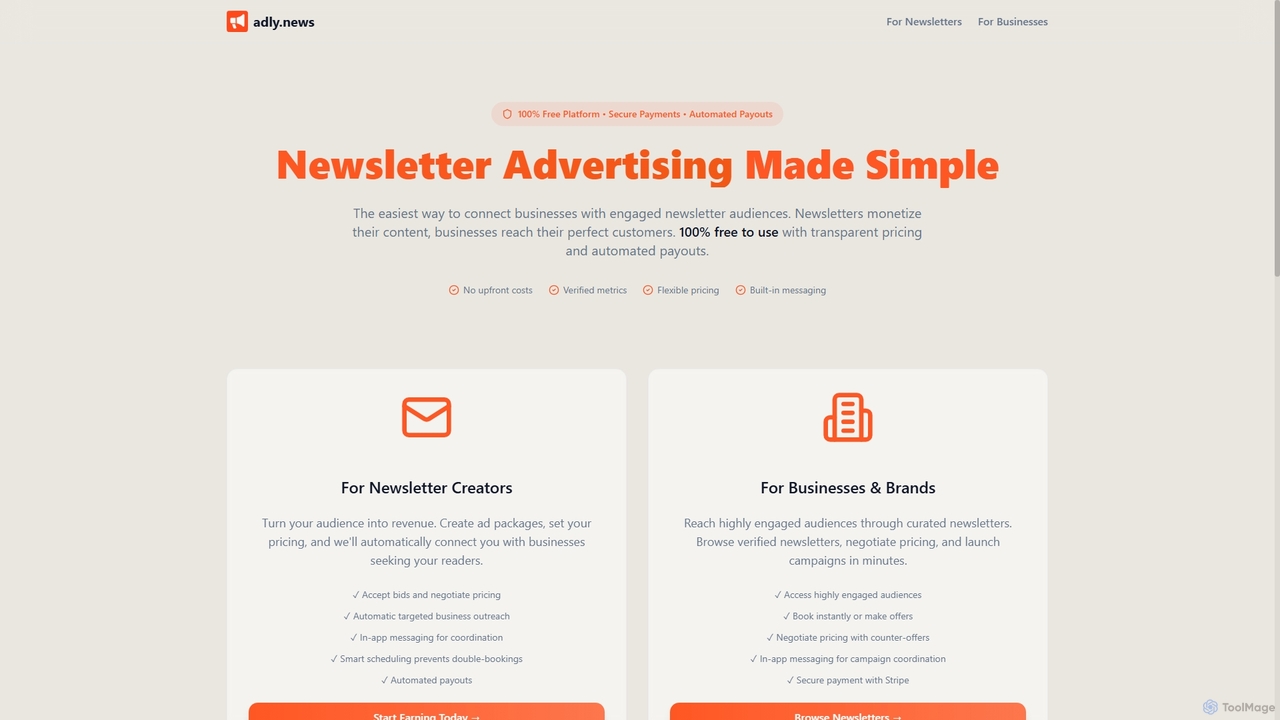
Adly is a 100% free-to-join newsletter advertising marketplace that seamlessly connects newsletter creators with businesses seeking highly engaged …

3.1K
WallaFan

WallaFan

WallaFan is an all-in-one, commission-free platform for creators to monetize content, sell products, and engage with fans. It …

3.1K

About Monetization

Monetization tools are platforms designed to help creators generate revenue directly from their content and audience. These tools leverage technology to automate and simplify processes such as managing paid subscriptions, selling digital products, processing fan donations, and facilitating brand sponsorships. By providing a direct financial link between creators and their supporters, they enable the development of sustainable business models beyond traditional advertising. Many modern platforms also incorporate AI to analyze audience engagement and suggest optimal pricing or content strategies for maximizing income.

Core Features

  • Subscription Management: Create and manage tiered membership levels with recurring payments for exclusive content.
  • Digital Product Sales: Provide a storefront to sell digital goods like e-books, courses, presets, or templates.
  • Tipping and Donations: Integrate one-time payment options for audiences to show direct financial support.
  • Sponsorship Marketplaces: Connect creators with relevant brands for sponsored content collaborations.
  • Affiliate Link Optimization: Use AI to manage and optimize affiliate links within content to increase commission earnings.

Use Cases

These tools are widely used by content creators such as YouTubers, podcasters, newsletter writers, artists, and educators. For example, a podcaster might use a monetization tool to offer an ad-free version and bonus episodes to paying subscribers. An artist could sell high-resolution digital prints and custom brushes directly to their followers, bypassing traditional gallery systems.

How to Choose

When selecting a monetization tool, consider the transaction fees and payout structure. Evaluate its integration capabilities with your primary content platforms (e.g., YouTube, Twitch, WordPress). Ensure the tool supports the specific monetization models you plan to use, such as subscriptions, one-time sales, or donations. Finally, assess the platform's ease of use and the quality of its audience analytics features.

MonetizationUse Cases

1

Launching a Paid Membership Program

A podcaster with a dedicated listener base wants to create a sustainable income stream. They use a monetization platform to set up a membership program with multiple tiers. The base tier offers ad-free episodes, while higher tiers include exclusive bonus content, early access to new episodes, and access to a private community forum. The tool automates the entire process, from handling recurring monthly payments and managing subscriber lists to delivering the protected content, allowing the creator to focus on producing high-quality audio.

2

Selling Digital Products and Courses

A graphic designer and educator decides to sell their custom design templates and a comprehensive video course on advanced techniques. They choose a monetization tool that provides an integrated e-commerce storefront. This allows them to upload their digital products, set prices, and create a professional-looking sales page without any coding. The platform securely handles payment processing and automates the delivery of digital files and course access to customers after purchase, streamlining the entire sales funnel.

3

Collecting Fan Donations and Tips

A live streamer on Twitch or YouTube wants to provide an easy way for their viewers to show support during broadcasts. They integrate a monetization tool that offers a 'tipping jar' or donation link. This link is added to their stream overlay and profile page. Viewers can make one-time contributions of any amount with a personalized message that can be displayed on screen. This creates an interactive experience and provides the streamer with a direct, immediate source of revenue from their most engaged fans.

4

Managing Brand Sponsorships

An Instagram influencer and blogger needs an efficient way to find and manage brand collaborations. They use a monetization platform that includes a sponsorship marketplace. The platform's AI matches their profile and audience demographics with suitable brands looking for sponsored posts. It simplifies the workflow by handling proposals, contract negotiations, content approval, and payment processing, ensuring both the creator and the brand have a transparent and organized campaign management experience.

5

Monetizing a Premium Newsletter

A financial analyst writes a popular weekly newsletter and wants to offer in-depth analysis to paying subscribers. Using a monetization tool designed for writers, they easily segment their audience into free and paid tiers. The tool allows them to publish content, manage their email list, and automatically handle subscriptions and billing. This enables them to build a recurring revenue model directly from their expertise, converting loyal readers into paying members without complex technical setup.

6

Offering Paid One-on-One Consultations

A career coach with a strong LinkedIn following aims to monetize their expertise by offering personalized consultation sessions. They use a monetization platform that integrates scheduling and payment functionalities. This allows potential clients to view their availability, book a time slot, and pay for the session in a single, seamless process. The tool handles calendar syncing, sends automated reminders, and processes payments securely, freeing the coach to focus on providing valuable advice to their clients.

MonetizationFrequently Asked Questions