ToolMage
Sign in

Best 6 Crypto AI tools

Popular Crypto AI tools include UpRock, safeornot, Intract, Swaap, Momentum Radar, and CryptoMatic Bot, helping you work more efficiently.

UpRock
Free

UpRock

UpRock is a Decentralized Physical Infrastructure Network (DePIN) that allows users to earn passive crypto income by sharing their unused internet bandwidth. This people-powered network provides real-time, uncensored data to fuel AI innovation and various web services.

Depin
Visits 131.1KFavorites 111Likes 104
safeornot
Freemium

safeornot

safeornot is an AI-powered security scanner that instantly analyzes URLs, files, and smart contracts to detect phishing, malware, and vulnerabilities. It provides real-time threat intelligence to help individuals and businesses navigate the digital world securely.

Security
Visits 7.6KFavorites 141Likes 134
Momentum Radar
Paid

Momentum Radar

Momentum Radar is a comprehensive toolkit for financial market analysis, providing traders and investors with proprietary momentum indicators, a social sentiment tracker, and on-chain data analysis. It's designed to filter market noise, identify institutional-level trading zones, and uncover trending assets in stocks and crypto before they become mainstream.

Market Research
Visits 6.4KFavorites 140Likes 152
Intract
Freemium

Intract

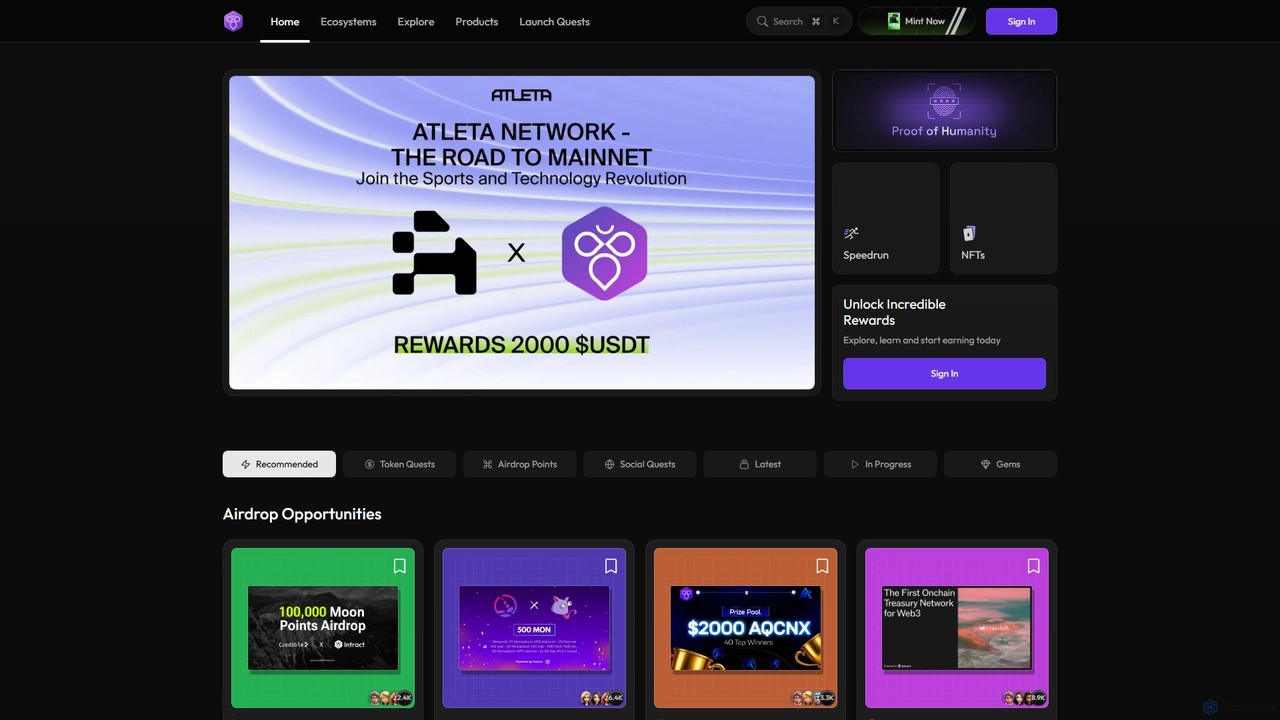
Intract is a leading Web3 learning and discovery platform that guides users through the world of crypto with gamified quests. Participate in tasks from top Web3 projects, learn about new technologies, and earn rewards like crypto and NFTs in a fun, interactive environment.

Airdrops
Visits 7.4KFavorites 142Likes 143
CryptoMatic Bot
Freemium

CryptoMatic Bot

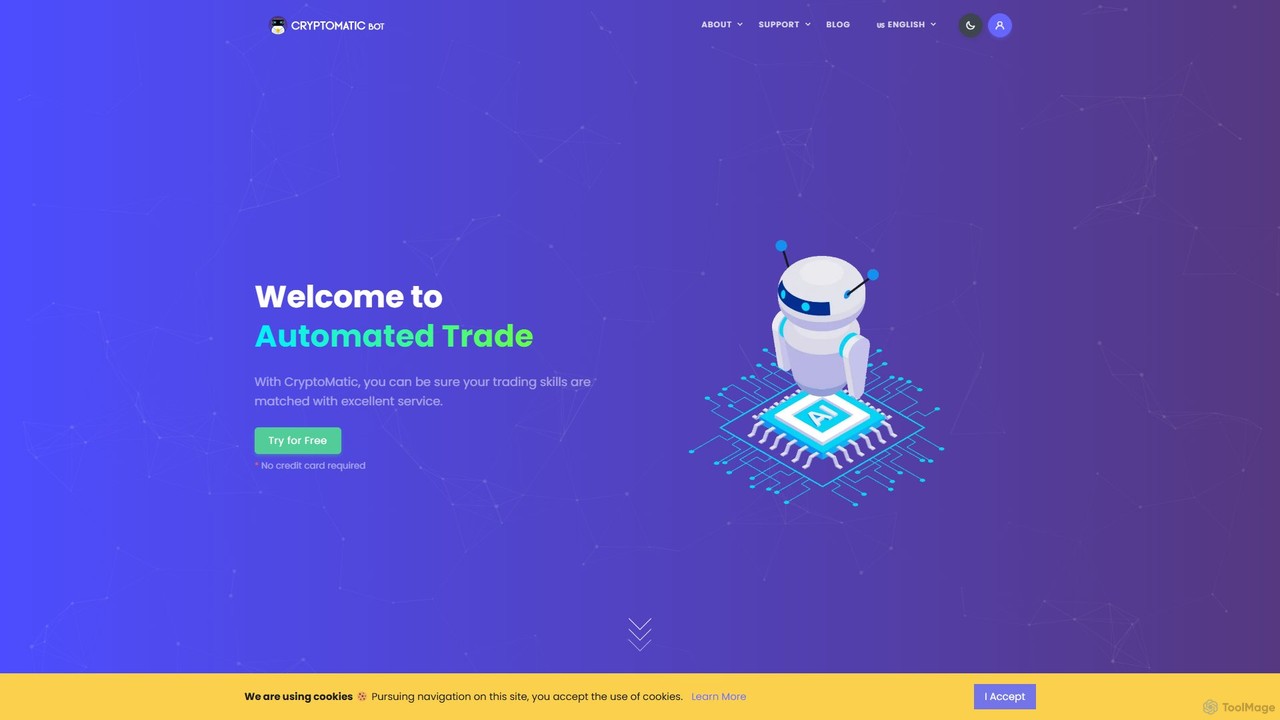
CryptoMatic Bot is an AI-powered platform for automated cryptocurrency trading. It connects to your exchange accounts to execute trades 24/7 based on algorithmic strategies. It features advanced tools like trailing stops to help users maximize profits and manage risk without constant market monitoring.

Bots
Visits 6.4KFavorites 151Likes 148
Swaap
Free

Swaap

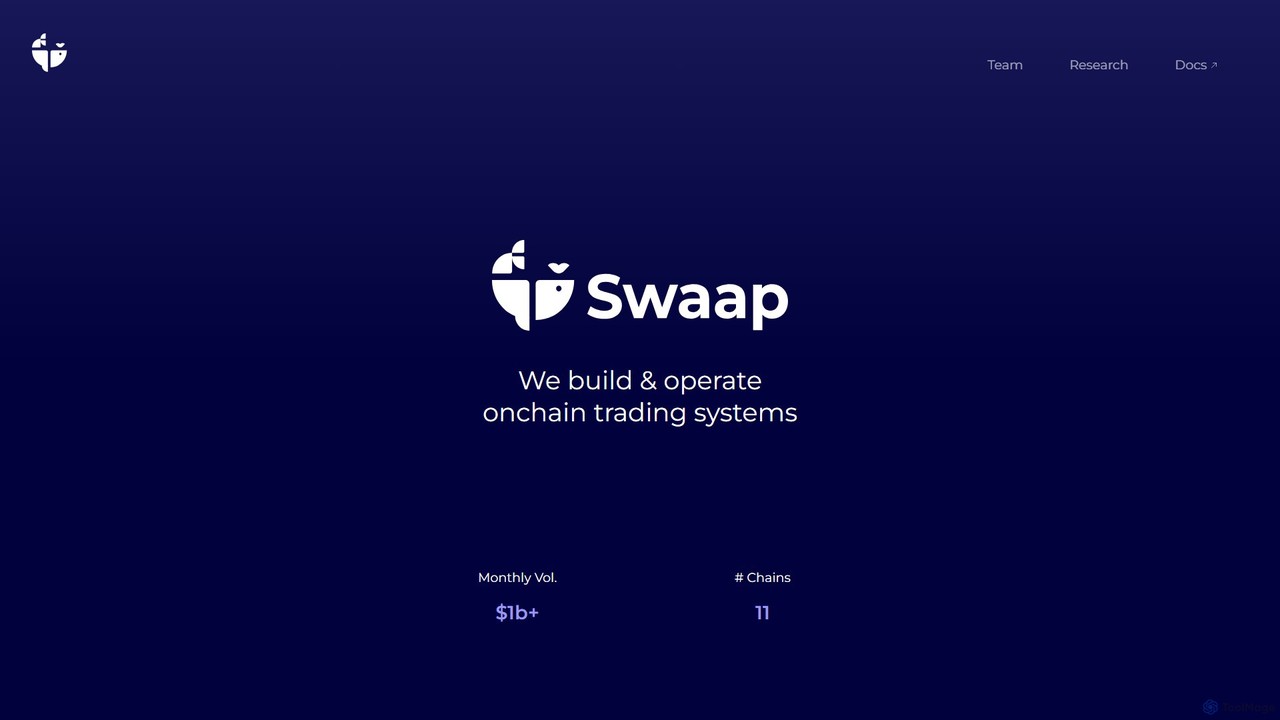
Swaap is a research-driven, market-neutral Automated Market Maker (AMM) protocol for decentralized finance (DeFi). It builds and operates sophisticated on-chain trading systems designed to provide deep liquidity and minimize impermanent loss for liquidity providers, operating across more than 11 blockchains.

Trading
Visits 6.5KFavorites 142Likes 129

About Crypto

Crypto AI tools are AI-powered platforms that leverage artificial intelligence and machine learning to analyze, predict, and automate tasks within the cryptocurrency and blockchain ecosystem. These tools process vast amounts of market data, on-chain metrics, and news sentiment to provide actionable insights and enhance decision-making. They are designed to optimize trading strategies, improve security protocols, and streamline operations for investors, traders, and developers in the decentralized finance (DeFi) space.

Core Features

  • Market Prediction: Analyzes historical data and real-time events to forecast cryptocurrency price movements and market trends.
  • Automated Trading: Executes buy/sell orders based on predefined AI-driven strategies and market signals without human intervention.
  • Blockchain Analytics: Processes on-chain data to identify patterns, track transactions, and monitor network health and activity.
  • Security & Fraud Detection: Utilizes AI to detect anomalies, identify potential scams, and enhance the security of crypto assets and transactions.
  • DeFi & NFT Insights: Provides data-driven analysis and insights into decentralized finance protocols and non-fungible token markets.

Use Cases

Crypto AI tools are invaluable for various stakeholders. Individual traders use them for algorithmic trading and risk management, while institutional investors leverage them for portfolio optimization and market intelligence. Blockchain developers integrate AI for smart contract auditing and network performance monitoring, ensuring robust and secure decentralized applications.

How to Choose

When selecting a Crypto AI tool, consider its core functionalities, such as market prediction accuracy or trading automation capabilities. Evaluate the range of supported cryptocurrencies and exchanges, as well as the depth of its blockchain analytics. Assess the security features, user interface, and the availability of robust API integrations for custom solutions. Finally, compare pricing models and customer support to ensure it aligns with your investment goals and technical expertise.

Crypto use cases

1

Algorithmic Crypto Trading Strategy Development

Quantitative analysts and experienced traders utilize Crypto AI tools to backtest and deploy complex algorithmic trading strategies. By feeding historical price data, volume, and various technical indicators into AI models, they can identify optimal entry and exit points, manage risk parameters, and automate trade execution across multiple exchanges, aiming to maximize returns and minimize emotional trading biases.

2

Real-time Crypto Market Sentiment Analysis

Market researchers and investors employ AI tools to gauge real-time sentiment across social media, news outlets, and forums for specific cryptocurrencies. These tools use natural language processing (NLP) to analyze vast amounts of unstructured text data, providing insights into public perception and potential market shifts, which helps in making informed investment decisions ahead of major price movements.

3

Blockchain Transaction Anomaly Detection

Security analysts and blockchain forensics teams use AI to monitor blockchain networks for unusual transaction patterns or potential fraud. AI algorithms can identify deviations from normal behavior, such as large, sudden transfers from dormant wallets or rapid movements across multiple addresses, helping to flag illicit activities like money laundering or scam operations in real-time.

4

DeFi Protocol Risk Assessment

DeFi investors and auditors leverage Crypto AI tools to assess the inherent risks within decentralized finance protocols. The AI analyzes smart contract code, liquidity pool health, governance proposals, and historical exploit data to provide a comprehensive risk score, helping users make safer decisions when interacting with lending, borrowing, or yield farming platforms.

5

NFT Market Trend Prediction and Valuation

NFT collectors and artists utilize AI tools to predict emerging trends in the non-fungible token market and estimate fair values for digital assets. By analyzing sales history, rarity traits, creator reputation, and community engagement, AI can help identify undervalued NFTs or forecast which collections are likely to gain popularity, assisting in strategic buying and selling.

6

Automated Crypto Portfolio Rebalancing

Long-term investors and wealth managers use Crypto AI tools to automatically rebalance their cryptocurrency portfolios according to predefined asset allocation strategies. The AI monitors market fluctuations and executes trades to maintain desired proportions of different cryptocurrencies, ensuring the portfolio stays aligned with risk tolerance and investment goals without constant manual intervention.

Crypto FAQ

What are Crypto AI tools?

Crypto AI tools are software applications that integrate artificial intelligence and machine learning algorithms to analyze, predict, and automate tasks within the cryptocurrency and blockchain ecosystem. They process vast datasets, from market prices and trading volumes to on-chain transactions and social sentiment, to provide users with data-driven insights and operational efficiencies. These tools are designed to assist with tasks such as market forecasting, automated trading, security analysis, and decentralized finance (DeFi) insights.

How do Crypto AI tools predict market movements?

Crypto AI tools predict market movements by employing sophisticated machine learning models that analyze a multitude of factors. These include historical price data, trading volumes, technical indicators, global economic news, social media sentiment, and on-chain metrics like transaction counts and active addresses. The AI identifies complex patterns and correlations that human analysts might miss, using algorithms such as neural networks and deep learning to forecast potential price changes and market trends with varying degrees of accuracy.

What are the main benefits of using AI in cryptocurrency?

The main benefits of using AI in cryptocurrency include enhanced decision-making through data-driven insights, improved efficiency via automated trading and portfolio management, and stronger security through advanced fraud detection and anomaly monitoring. AI can process and analyze data at speeds and scales impossible for humans, leading to more timely and potentially more profitable trading strategies, better risk management, and a more secure blockchain environment for all participants.

Are Crypto AI tools safe and reliable for trading?

The safety and reliability of Crypto AI tools for trading vary significantly depending on the specific tool, its underlying algorithms, and the user's expertise. While AI can automate strategies and remove emotional biases, it's not infallible. Market volatility, unforeseen events, and algorithm flaws can still lead to losses. Users should always conduct thorough due diligence, understand the risks involved, start with small investments, and never rely solely on AI without human oversight and risk management protocols. Security features and audit reports are also crucial considerations.

How do Crypto AI tools differ from traditional crypto analytics platforms?

Crypto AI tools differ from traditional crypto analytics platforms primarily in their use of advanced machine learning for predictive and autonomous capabilities. Traditional platforms typically offer historical data visualization, basic indicators, and manual analysis tools. In contrast, AI tools go beyond presenting data; they actively interpret it, identify complex patterns, generate predictive models, and can even execute actions (like trades) based on their analysis. This allows for more dynamic insights, automated strategies, and proactive risk management compared to static data reporting.