Customer Support Best in category 1 results Service Automation AI Tool

Popular AI tools in the Service Automation field of Customer Support include Holdforme, etc., helping you quickly improve efficiency.

Free
Holdforme

Holdforme

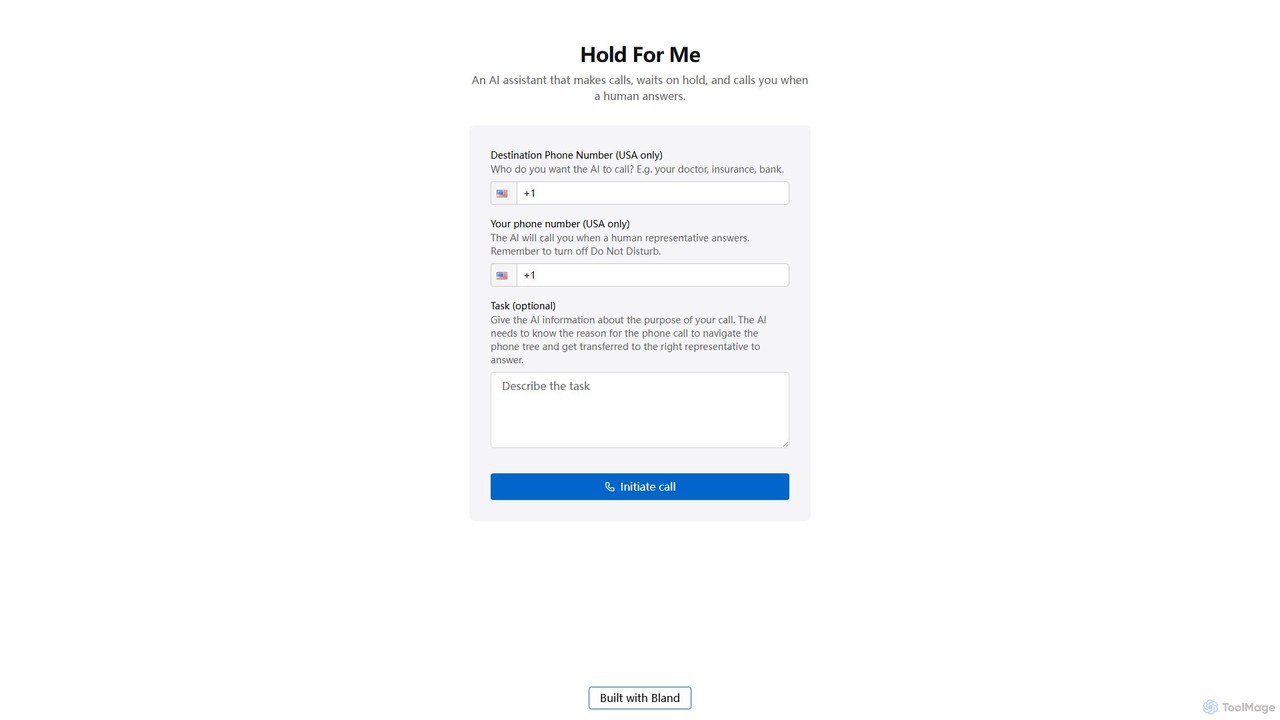
Holdforme is an AI-powered assistant that makes phone calls on your behalf, navigates automated phone menus, waits on …

3.1K

About Service Automation

Service Automation refers to the application of AI and robotic process automation (RPA) to streamline and enhance customer support operations. These tools leverage natural language processing, machine learning, and intelligent workflows to automate repetitive tasks, manage inquiries, and deliver proactive service. By minimizing manual effort, service automation significantly boosts efficiency, reduces operational costs, and ensures consistent, high-quality customer experiences.

Core Features

  • AI Chatbots & Virtual Assistants: Automate responses to common queries, guide users, and handle routine transactions.
  • Intelligent Ticket Routing: Automatically categorize and assign support tickets to the most appropriate agent or department.
  • Self-Service Portals: Provide AI-powered knowledge bases and FAQs, enabling customers to find solutions independently.
  • Automated Workflow Orchestration: Design and execute multi-step service processes, from onboarding to issue resolution.
  • Sentiment Analysis: Analyze customer interactions to gauge satisfaction and prioritize urgent or negative feedback.

Applicable Scenarios

Service automation is vital for businesses across various sectors, from e-commerce and SaaS to telecommunications and finance. It empowers customer service teams to handle increased volumes with fewer resources, ensures 24/7 availability, and frees up human agents to focus on complex, high-value interactions. Companies use it to scale support operations, improve response times, and maintain service quality during peak periods.

How to Choose

When selecting a service automation tool, consider its integration capabilities with existing CRM and helpdesk systems. Evaluate the AI's natural language understanding (NLU) accuracy and its ability to learn from interactions. Assess the ease of workflow customization and the availability of analytics for performance monitoring. Finally, factor in scalability to ensure the solution can grow with your business needs.

Service AutomationUse Cases

1

Automate First-Level Customer Inquiries

E-commerce businesses can deploy AI chatbots on their websites to instantly answer common customer questions regarding order status, shipping policies, or product details. This reduces the volume of calls and emails to human agents by up to 60%, providing immediate responses 24/7 and improving customer satisfaction with quick resolutions.

2

Intelligent Ticket Categorization and Routing

A large SaaS company uses service automation to automatically categorize incoming support tickets based on keywords, sentiment, and historical data. The system then routes tickets to the most qualified support agent or department, reducing manual triage time by 70% and ensuring customers reach the right expert faster, leading to quicker problem resolution.

3

Proactive Customer Outreach and Notifications

Telecommunications providers leverage service automation to send proactive notifications to customers about service outages, scheduled maintenance, or expiring contracts. This reduces inbound calls related to these issues, improves transparency, and enhances customer trust by keeping them informed without requiring them to initiate contact, leading to fewer complaints.

4

Enhance Self-Service Knowledge Base

Any company with a comprehensive product or service can use AI-powered service automation to create and maintain dynamic self-service portals. The AI analyzes search queries and user behavior to suggest relevant articles, ensuring customers can find answers to their questions independently, thereby decreasing the workload on support staff and empowering users.

5

Automated Onboarding and Account Setup

Financial institutions can utilize service automation to guide new customers through complex onboarding processes, such as account opening or loan applications. AI-driven workflows ensure all necessary documents are collected, forms are correctly filled, and compliance checks are performed automatically, accelerating the onboarding journey and reducing errors.

6

Orchestrate Personalized Customer Journeys

Marketing and sales teams can integrate service automation to personalize customer journeys based on their interactions and preferences. For instance, after a customer completes a purchase, automated systems can send personalized follow-up emails, product recommendations, or solicit feedback, fostering loyalty and increasing lifetime value without manual intervention.

Service AutomationFrequently Asked Questions