BHuman
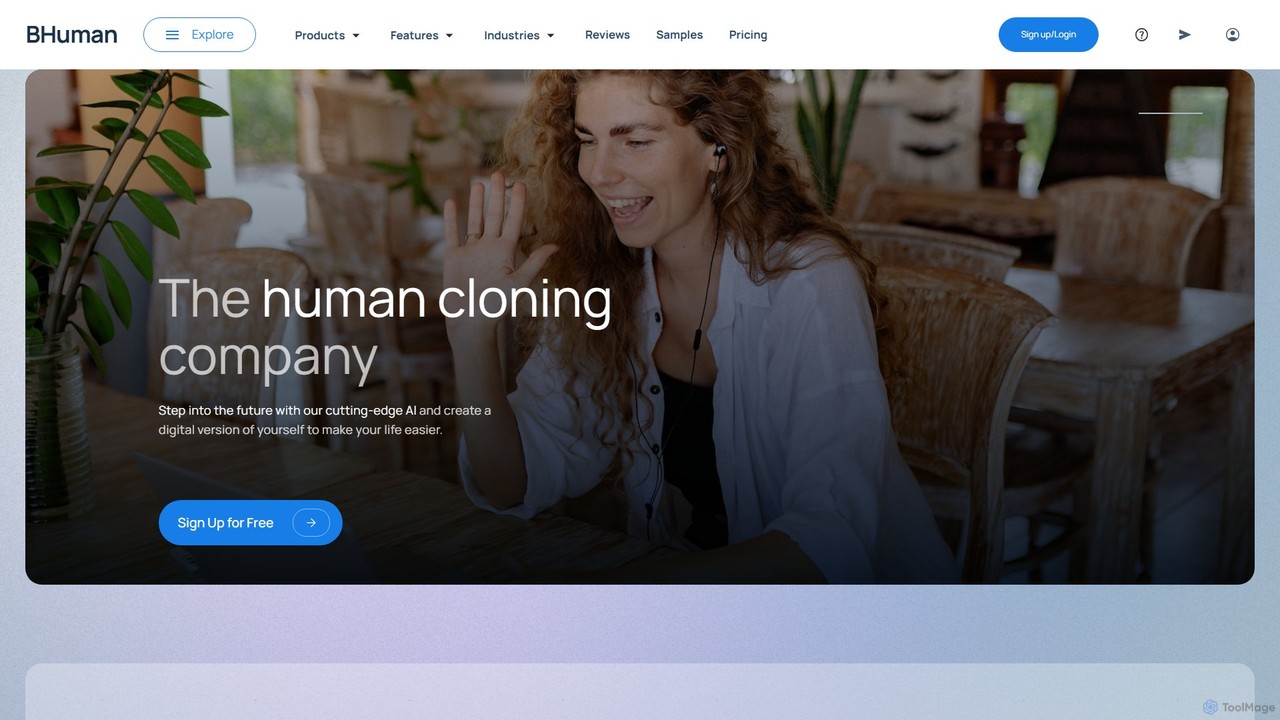
BHuman is an AI-powered platform that enables users to create and send thousands of personalized videos at scale. …
BHuman is an AI-powered platform that enables users to create and send thousands of personalized videos at scale. By creating a digital clone of your face and voice, BHuman transforms a single video recording into unique, one-to-one messages for sales, marketing, and customer support, dramatically increasing engagement and conversion rates.
About Video Communication
AI Video Communication tools are a specialized category of software that enhances real-time video interactions for customer support using artificial intelligence. These platforms go beyond standard video calls by integrating features like live transcription, sentiment analysis, and augmented reality (AR) overlays. They are designed to diagnose and resolve complex customer issues more efficiently, provide visual guidance, and capture valuable data from interactions. This approach significantly improves first-call resolution rates and enhances the overall customer experience, especially for technical or product-related support.
Core Features
- Real-time Transcription & Analysis: Automatically transcribes conversations and analyzes sentiment, keywords, and tone to provide immediate insights.
- AI-Generated Summaries: Creates concise, structured summaries of support calls, highlighting key issues, resolutions, and action items.
- Augmented Reality (AR) Guidance: Allows support agents to overlay visual instructions, pointers, and text directly onto the customer's video stream.
- Automated Data Tagging: Identifies and tags important moments in the video, such as product model mentions or error messages, for easy review.
- Performance Analytics: Gathers data from video calls to track agent performance, identify common issues, and measure customer satisfaction.
Use Cases
These tools are particularly effective in industries requiring hands-on technical support, such as consumer electronics, manufacturing, and telecommunications. Support teams use them for remote troubleshooting, guiding customers through complex installations, or conducting virtual product demonstrations. They are also valuable for high-touch customer onboarding in SaaS and for remote claim assessments in the insurance sector.
How to Choose
When selecting an AI Video Communication tool, consider its integration capabilities with your existing CRM or helpdesk software. Evaluate the specific AI features offered, such as AR support or detailed analytics, based on your team's needs. Assess the platform's security and compliance standards, especially if handling sensitive data. Finally, consider the user interface's ease of use for both agents and customers to ensure smooth adoption.

Video CommunicationUse Cases
Remote Technical Support for Hardware
A customer support agent for an electronics company assists a user with a malfunctioning Wi-Fi router. Using an AI Video Communication tool, the agent can see the router through the customer's phone camera. The agent uses AR features to draw a circle around the correct port for the cable and displays on-screen text instructions. The AI simultaneously transcribes the call and tags the product model and reported issue. This visual, interactive guidance helps resolve the issue in under 10 minutes, avoiding a costly technician visit and improving customer satisfaction.
High-Touch SaaS Customer Onboarding
An onboarding specialist for a complex enterprise software platform guides a new client's team through the initial setup. The video call is recorded, and the AI automatically generates a summary with action items and timestamps for key configuration steps. This summary is shared with the client for future reference. The platform also analyzes the conversation to gauge client sentiment and identify potential areas of confusion, allowing the specialist to proactively address questions and ensure a smooth onboarding experience, which helps increase product adoption and reduce churn.
Virtual Insurance Claim Assessment
An insurance adjuster needs to assess damage to a policyholder's vehicle after an accident. Instead of an in-person visit, the adjuster initiates a secure video call. The policyholder walks around the car, showing the damage. The AI tool automatically captures high-resolution images of the damaged areas, recognizes the vehicle identification number (VIN), and transcribes the conversation. This process reduces assessment time from days to minutes, cuts travel costs for the adjuster, and provides a faster, more convenient experience for the policyholder.
Telehealth Patient Consultations
A healthcare provider conducts a follow-up consultation with a patient remotely. The AI Video Communication platform, which is HIPAA compliant, transcribes the entire conversation in real-time. The AI identifies and highlights key medical terms, symptoms described by the patient, and prescribed medications. After the call, an automated summary is generated and can be integrated directly into the patient's Electronic Health Record (EHR). This saves the provider significant administrative time, ensures accurate record-keeping, and allows them to focus more on the patient during the consultation.
Agent Training and Quality Assurance
A support manager reviews the performance of a new agent. Instead of listening to hours of call recordings, the manager uses the AI tool's dashboard to view AI-generated summaries and sentiment analysis scores for the agent's recent video calls. The manager quickly identifies a call where the customer's sentiment was consistently negative. They review the automatically tagged key moments and the transcript to understand the context, then use this specific, data-backed example to provide targeted coaching to the agent, improving their skills more effectively.
Explaining Complex Financial Products
A financial advisor uses a secure, compliant AI video platform to explain a complex investment portfolio to a client. During the call, the advisor shares their screen to show charts and documents. The AI tool transcribes the entire session for compliance and auditing purposes. After the call, an AI-generated summary outlining the key discussion points, risks mentioned, and the client's verbal confirmations is created and archived. This provides a clear, verifiable record of the advice given, protecting both the client and the firm while ensuring regulatory requirements are met.