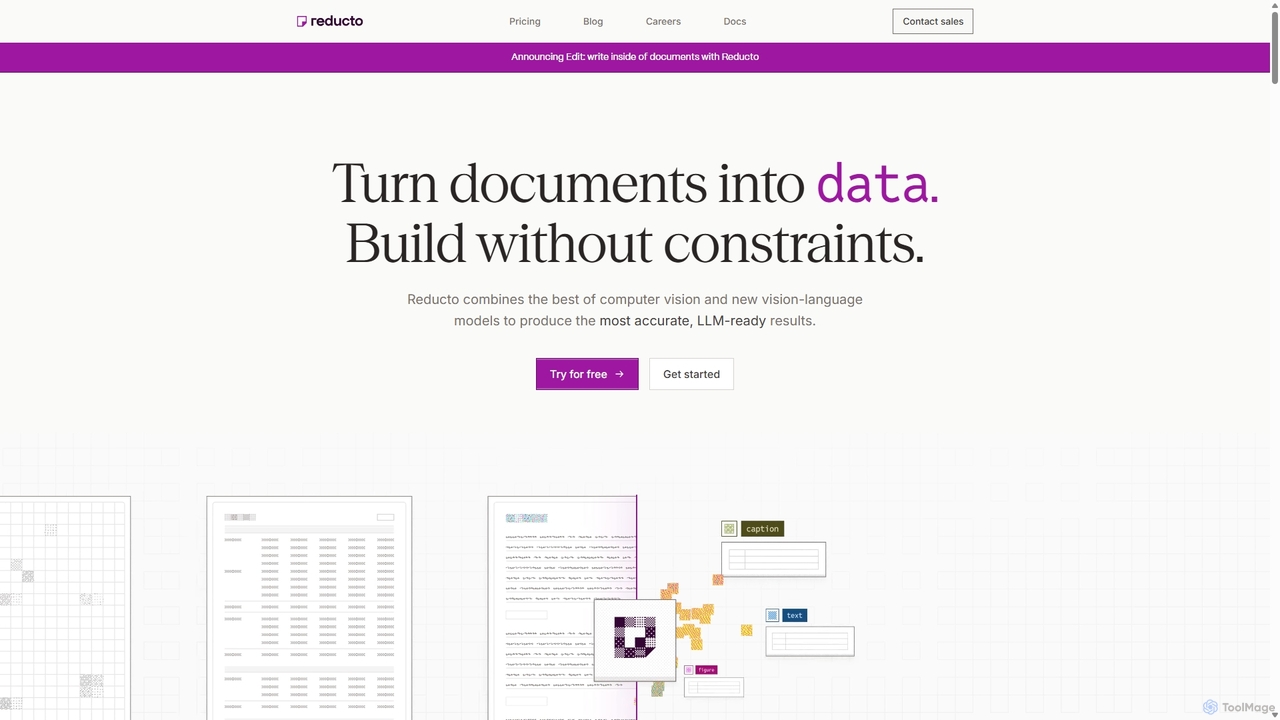
AI Document Processing tools are a specialized category of data processing software designed to automatically extract, interpret, and structure information from various document formats. Leveraging technologies like Optical Character Recognition (OCR), Natural Language Processing (NLP), and computer vision, these tools understand both the content and layout of PDFs, scanned images, and emails. This capability transforms unstructured or semi-structured data into actionable, organized formats, significantly accelerating workflows like invoice processing and contract analysis. Their key advantage lies in handling complex layouts and diverse document types with high accuracy, reducing manual effort and errors.
Core Features
- Intelligent Data Extraction: Accurately identifies and pulls specific fields like names, dates, invoice totals, and contract clauses from documents.
- Document Classification: Automatically sorts incoming documents into predefined categories such as invoices, receipts, or legal agreements based on their content and structure.
- Optical Character Recognition (OCR): Converts text from scanned documents and images into machine-readable, searchable data.
- Layout Analysis: Understands the spatial structure of a document, recognizing tables, columns, headers, and footers to maintain context during extraction.
- Data Validation & Structuring: Verifies extracted information against predefined rules or databases and outputs it in a structured format like JSON, XML, or CSV.
Use Cases
These tools are essential in industries with heavy paperwork. Finance departments use them for automating accounts payable and expense reporting. The legal sector applies them for contract lifecycle management and e-discovery. Healthcare providers utilize them to digitize patient records and process insurance claims, while logistics companies manage bills of lading and customs forms more efficiently.
How to Choose
When selecting a Document Processing tool, evaluate its accuracy on your specific document types and languages. Consider its integration capabilities with your existing software (e.g., ERP, CRM). Assess the user interface—whether it offers a no-code platform for business users or APIs for developers. Finally, analyze the pricing model, which is often based on the number of pages or documents processed.