Best of the Year 2 results Data Processing AI Tools

Popular AI tools in the Data Processing field include Reducto、Extractify, etc., helping you quickly improve efficiency.

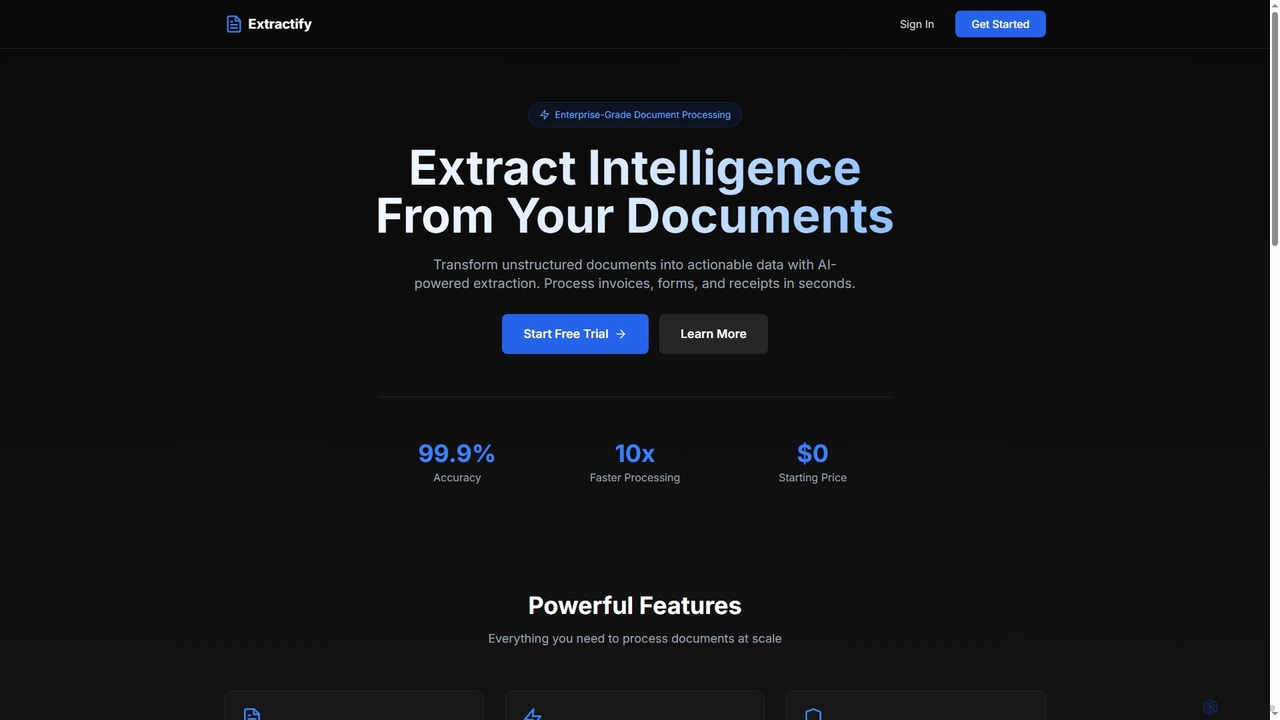
Extractify

Extractify

Extractify is an AI-powered document processing tool that transforms unstructured documents like invoices, forms, and receipts into actionable, …

3.4K
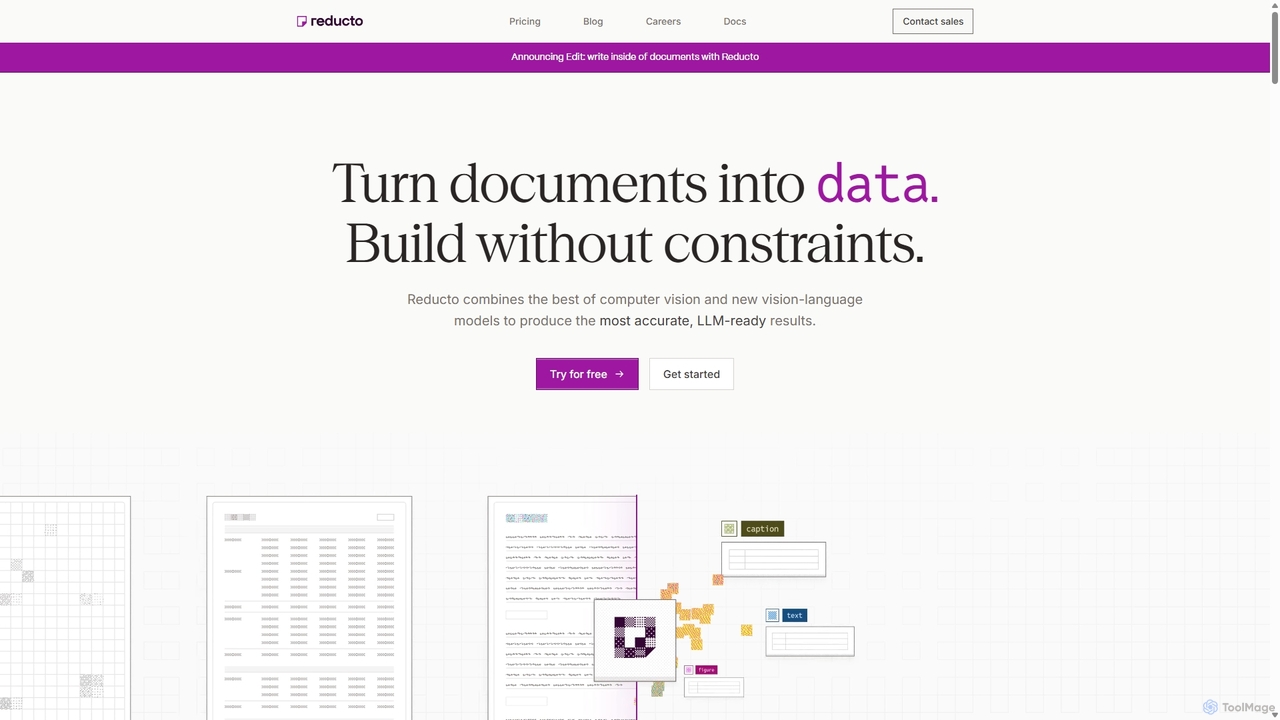
Reducto

Reducto

Reducto is an advanced Document Ingestion API for developers and enterprises. It uses Agentic OCR and Vision-Language Models …

105.0K

About Data Processing

Data Processing tools are AI-powered solutions designed to transform raw, unstructured data into valuable, actionable insights. These tools leverage advanced algorithms and machine learning to automate the collection, cleaning, transformation, and analysis of vast datasets. By identifying patterns, correcting inconsistencies, and enriching information, they enable organizations to make informed decisions, streamline complex data workflows, and unlock the full potential of their data assets.

Core Features

  • Automated Data Cleaning: Identifies and corrects errors, removes duplicates, and handles missing values for improved data quality.
  • Data Transformation & Enrichment: Converts data formats, aggregates information, and integrates external sources for comprehensive views.
  • Pattern Recognition & Anomaly Detection: Uses AI to discover hidden trends and flag unusual data points that require attention.
  • Predictive Analytics: Applies machine learning models to historical data to forecast future outcomes and behaviors.
  • Natural Language Processing (NLP): Extracts insights from text-based data, such as customer feedback or reports.

Use Cases

Data Processing tools are essential across various sectors. In finance, they automate transaction reconciliation and fraud detection. For e-commerce, they analyze customer behavior to personalize recommendations and optimize inventory. Researchers use them to process large experimental datasets, accelerating discovery and validation.

How to Choose

When selecting Data Processing tools, consider the types and volume of data you handle, ensuring the tool offers robust data ingestion and transformation capabilities. Evaluate its integration with existing systems, scalability for future growth, and compliance with data privacy regulations. User-friendliness and the level of automation provided are also crucial for efficient workflow management.

Data ProcessingUse Cases

1

Automating Customer Feedback Analysis

Marketing teams use AI data processing to automatically categorize and analyze thousands of customer reviews and social media comments. This identifies sentiment, common issues, and emerging trends, informing product development and campaign strategies. It significantly reduces manual effort and provides faster, more accurate insights into customer perceptions.

2

Optimizing Supply Chain Logistics

Logistics managers apply data processing tools to integrate real-time data from sensors, GPS, and inventory systems. This enables predictive analysis for demand forecasting, route optimization, and proactive identification of potential disruptions, minimizing costs and improving delivery times across the entire supply chain network.

3

Personalizing E-commerce Recommendations

E-commerce platforms leverage AI to process vast amounts of user browsing history, purchase data, and demographic information. This allows for highly personalized product recommendations, dynamic pricing adjustments, and targeted marketing campaigns, significantly boosting conversion rates and enhancing the overall customer shopping experience.

4

Enhancing Financial Fraud Detection

Financial institutions deploy data processing tools to continuously monitor transaction patterns and flag suspicious activities in real-time. By analyzing anomalies and deviations from normal behavior, these tools help prevent fraudulent transactions and protect customer assets more effectively than traditional manual methods, significantly reducing financial losses.

5

Streamlining Healthcare Patient Data Management

Healthcare providers utilize AI data processing to clean, standardize, and integrate patient records from various sources, including electronic health records (EHRs), lab results, and wearable device data. This creates a comprehensive patient view, supporting more accurate diagnoses, personalized treatment plans, and improved operational efficiency in hospitals and clinics.

6

Accelerating Scientific Research Data Analysis

Researchers in fields like genomics or climate science use data processing tools to manage and analyze massive, complex datasets generated from experiments or simulations. These tools automate data cleaning, feature extraction, and statistical analysis, significantly speeding up the discovery of new insights and validating hypotheses, thereby accelerating scientific progress.

Data ProcessingFrequently Asked Questions