
ToolMage
Sign in

Best 1 Music Matching AI tools for Dating

Popular Music Matching AI tools in Dating include Heartune, helping you work more efficiently.

Heartune

Heartune

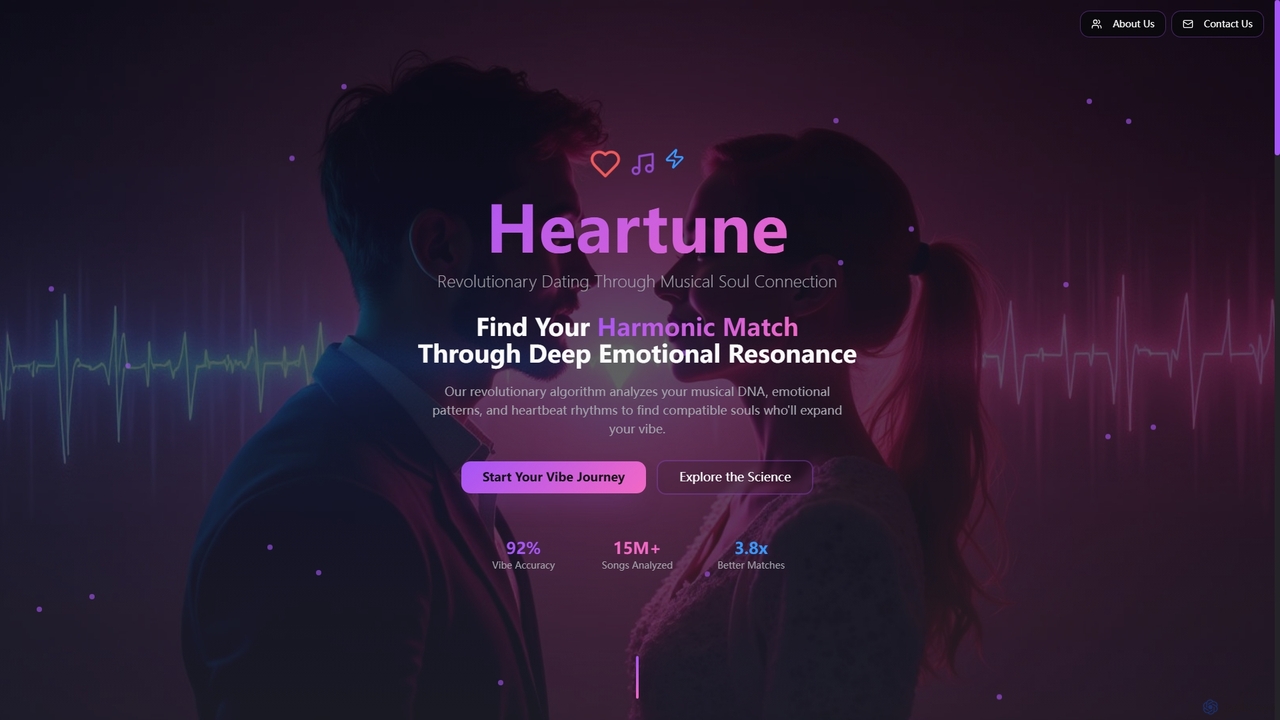
Heartune is a revolutionary AI-powered dating platform that connects individuals through deep musical and emotional resonance. It analyzes your musical DNA, emotional patterns, and optional heartbeat rhythms to find highly compatible partners, fostering authentic soul connections beyond superficial preferences.

Music Matching
Visits 5.6KFavorites 107Likes 111

About Music Matching

Music Matching tools leverage AI to analyze users' musical preferences and recommend potential romantic partners or social connections based on shared tastes. These tools typically integrate with music streaming services or allow manual input to build detailed musical profiles. Their core value lies in helping users discover individuals with compatible musical interests, fostering deeper connections and more engaging interactions within dating or social platforms. This offers a unique and resonant dimension to traditional matching processes.

Core Features

  • Music Preference Analysis: Deeply analyzes listening history, saved tracks, preferred genres, and artists to create a comprehensive user music profile.
  • AI-Powered Matching Algorithms: Utilizes sophisticated algorithms to identify and recommend users with high musical compatibility.
  • Shared Playlist Generation: Enables matched users to collaboratively create or share playlists, facilitating musical discovery and interaction.
  • Real-time Music Event Recommendations: Suggests local concerts, festivals, or music-themed venues that align with the shared interests of matched users.
  • Personalized Music Quizzes: Offers interactive questionnaires to delve into users' deeper musical philosophies and preferences beyond listening data.

Applicable Scenarios

Music Matching tools are primarily used by individuals seeking romantic partners or new friends who share a passion for music. They are ideal for users who want to move beyond superficial profiles, providing a unique icebreaker and a foundation for meaningful conversations. These tools cater to those who believe shared musical taste is a significant indicator of compatibility.

How to Choose

When selecting a Music Matching tool, consider the accuracy and depth of its matching algorithms, ensuring it can identify nuanced musical preferences. Evaluate its integration capabilities with popular music streaming platforms for seamless data import. User privacy protection is crucial, so check how personal music data is handled. Finally, assess the platform's user base and community activity to ensure a sufficient pool of potential matches.

Music Matching use cases

1

Finding Compatible Dates Through Music

Single individuals connect their music streaming accounts to a dating app with Music Matching features. The AI analyzes their listening habits, preferred genres, and artists to recommend potential partners with highly compatible musical tastes. This enhances the likelihood of successful matches and provides an instant common ground for initial conversations, moving beyond superficial profile details.

2

Breaking the Ice with Shared Playlists

After a match is made, the Music Matching tool automatically suggests creating a collaborative playlist or highlights shared favorite songs. This provides an easy and engaging way for users to initiate conversations, discuss their musical tastes, and discover new artists together, fostering a more natural and less awkward initial interaction.

3

Discovering New Music Through Matches

Users leverage the Music Matching tool not just for dating, but also for expanding their musical horizons. By connecting with individuals who have similar yet distinct tastes, they are exposed to new genres, artists, and songs recommended by their matches, enriching their personal music library and fostering a sense of shared discovery.

4

Planning Music-Themed Dates

Once a connection is established, the Music Matching tool can assist in planning unique dates. Based on the matched users' combined musical preferences, it might suggest suitable live music venues, themed bars, or even generate a custom playlist for a romantic evening at home. This adds a personalized and memorable touch to dating experiences.

5

Connecting with Like-Minded Music Enthusiasts

Beyond romantic interests, Music Matching tools can facilitate connections for users simply looking for friends or community members who share their deep passion for music. This allows for the formation of social groups, discussion forums, or even collaborative projects centered around specific genres or artists, fostering a vibrant music-loving community.

6

Personalized Event Recommendations for Matched Pairs

For matched couples or friends, the AI can analyze their combined music profiles to recommend highly relevant local music events, concerts, or festivals. This goes beyond generic event listings, offering tailored suggestions that both individuals are likely to enjoy, enhancing their shared experiences and making event planning effortless.

Music Matching FAQ

What are Music Matching tools?

Music Matching tools are AI-powered applications designed to connect individuals based on their shared musical tastes. They analyze user data from streaming services or direct input to create detailed music profiles. These tools then use algorithms to identify and recommend compatible matches, primarily for dating or social networking, offering a unique dimension for finding like-minded people.

How do Music Matching tools enhance dating experiences?

Music Matching tools significantly enhance dating by providing a deeper, more authentic basis for connection than traditional profile information. They help users find partners with genuine shared interests, leading to more meaningful conversations and stronger bonds. By focusing on musical compatibility, these tools facilitate unique icebreakers, personalized date ideas, and a richer understanding of a potential partner's personality and passions.

What is the difference between Music Matching and general dating apps?

While general dating apps often rely on broad interests, photos, and basic demographics, Music Matching tools specifically prioritize musical compatibility. They delve into granular listening data, preferred genres, and artists, using AI to find deeper connections based on shared auditory preferences. This specialized focus offers a more niche and often more profound basis for connection, appealing to users who value music as a core aspect of their identity and relationships.

What data do Music Matching tools use to find matches?

Music Matching tools primarily use data from connected music streaming services (like Spotify or Apple Music), including listening history, saved songs, created playlists, and preferred artists/genres. Some tools may also incorporate user-provided information through quizzes or direct input about their musical tastes, concert attendance, or music-related memories. This comprehensive data helps build a rich musical profile for accurate matching.

How do Music Matching tools protect user privacy?

Reputable Music Matching tools prioritize user privacy by implementing robust data encryption, anonymization techniques, and strict access controls. They typically require explicit consent to access music streaming data and allow users to control what information is shared on their public profile. Many platforms also adhere to data protection regulations like GDPR, ensuring personal musical preferences are handled securely and responsibly.