Mimo
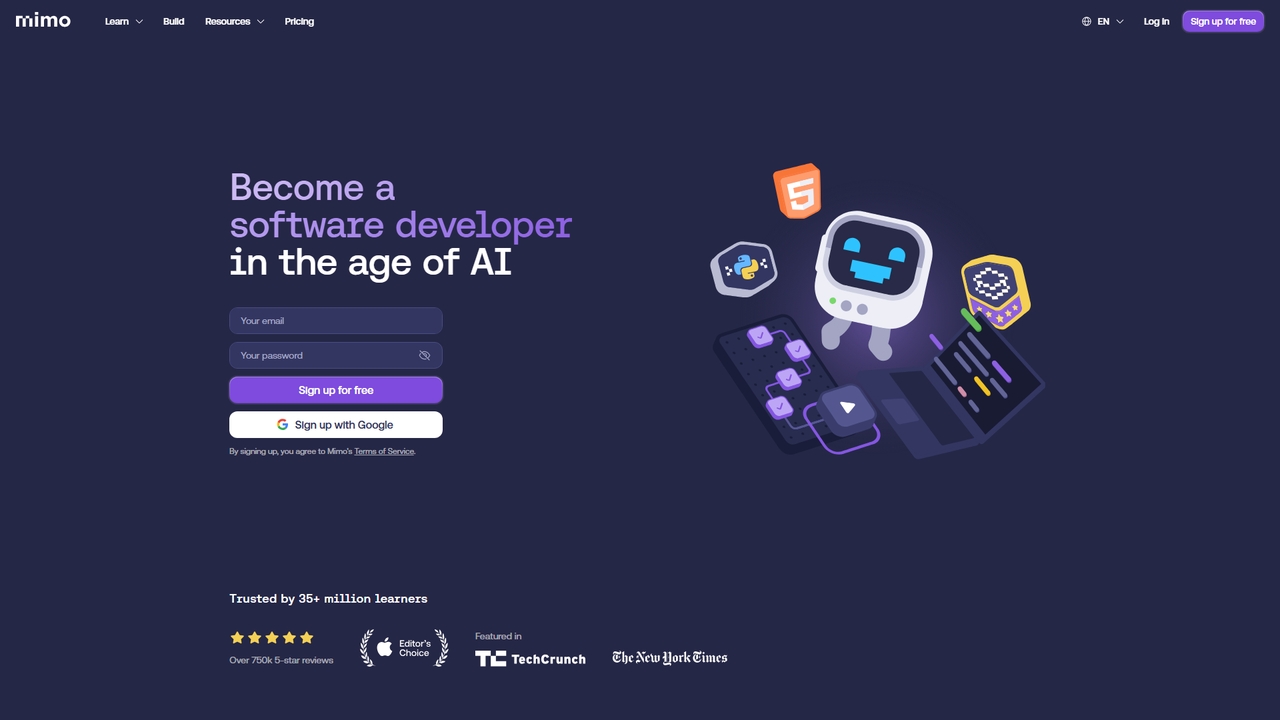
An interactive, AI-powered coding learning platform trusted by over 35 million learners. It offers structured career paths in …
An interactive, AI-powered coding learning platform trusted by over 35 million learners. It offers structured career paths in full-stack, Python, front-end, and back-end development through step-by-step lessons, hands-on practice, and real-world projects.
Codeo
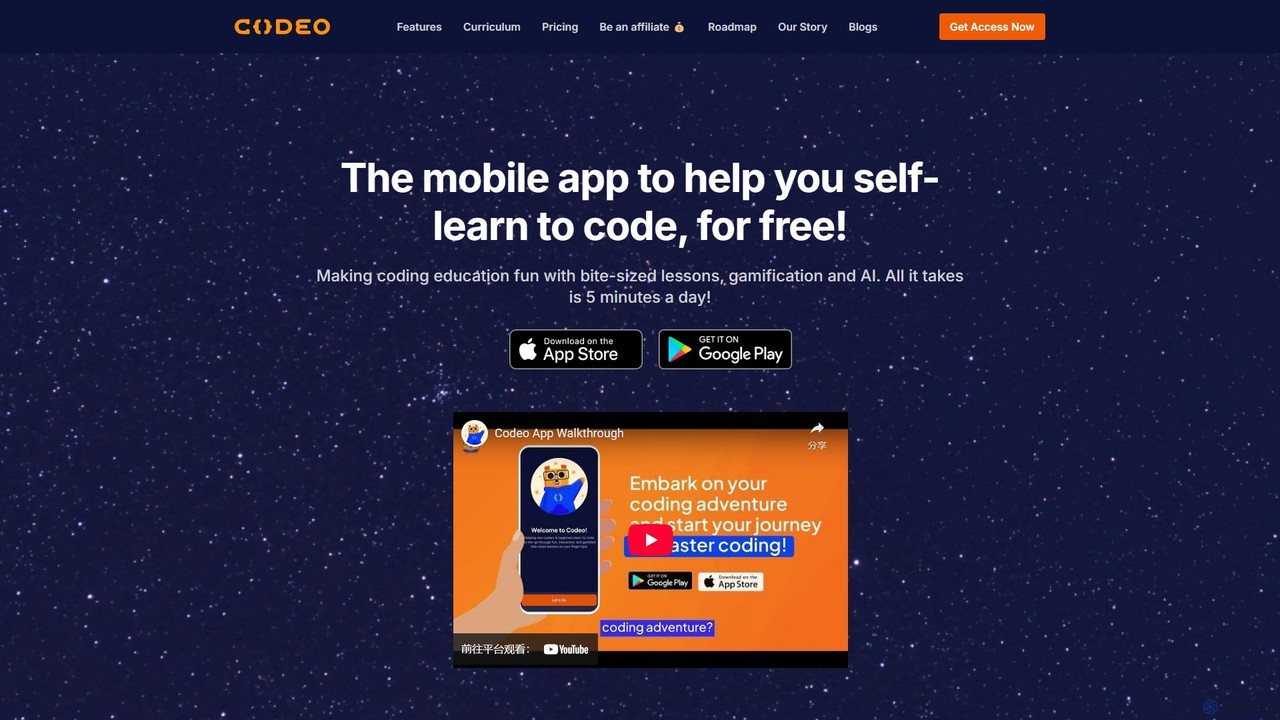
Codeo is an AI-powered mobile app that makes learning to code easy and fun, similar to Duolingo. It …
Codeo is an AI-powered mobile app that makes learning to code easy and fun, similar to Duolingo. It offers bite-sized lessons, gamification, and AI tutors to help beginners and career-changers master programming languages like Python, JavaScript, and SQL. Start your coding journey in just 5 minutes a day, for free.
About Code Learning
AI Code Learning tools are a specialized category of developer utilities that leverage artificial intelligence to create personalized and interactive programming education. These platforms analyze a user's skill level and learning pace to generate custom learning paths, provide real-time feedback on exercises, and explain complex code snippets in simple terms. Their primary value lies in making coding education more accessible, efficient, and engaging for learners at all levels, from absolute beginners to experienced developers looking to upskill. They act as a 24/7 personal tutor, adapting to individual needs.
Core Features
- Personalized Learning Paths: AI assesses your current skills and goals to create a tailored curriculum, suggesting relevant topics and projects.
- Interactive Code Feedback: Get instant, line-by-line analysis of your code, including error detection, style suggestions, and logic improvements.
- AI-Powered Tutoring: Ask questions in natural language and receive detailed explanations, code examples, and guidance on difficult concepts.
- Code Explanation: Paste complex code snippets to get a breakdown of their functionality, logic, and syntax in plain language.
- Project Generation: AI suggests and helps scaffold real-world projects based on your interests and the skills you've learned.
Use Cases
These tools are widely used by individuals learning to code for the first time, students supplementing academic courses, and professional developers acquiring new languages or frameworks. In corporate training, they facilitate scalable, self-paced upskilling programs. Educators also use them to create dynamic assignments and provide automated feedback to students.
How to Choose
When selecting an AI Code Learning tool, first consider the programming languages and technologies it supports. Evaluate the quality and depth of the AI feedback and explanations. Assess the structure of the learning paths—whether they are project-based, theory-focused, or a hybrid. Finally, compare pricing models and consider whether the platform's teaching style aligns with your personal learning preferences.
Code LearningUse Cases
Mastering a First Programming Language
For a beginner with no prior coding experience, starting the journey can be intimidating. An AI Code Learning tool provides a structured yet flexible path. The user, a student or career-changer, starts with fundamental concepts like variables and loops. As they write their first lines of code in an interactive editor, the AI provides immediate feedback, correcting syntax errors and suggesting better practices. When they get stuck, they can ask the AI tutor, 'Why is this for-loop not working?' and receive a step-by-step explanation, accelerating their understanding far more quickly than static tutorials.
Preparing for Technical Interviews
A software developer preparing for job interviews needs to practice solving algorithmic problems efficiently. Using an AI Code Learning tool, they can access a vast library of challenges related to data structures and algorithms. After attempting a problem, the AI not only validates the solution's correctness but also analyzes its time and space complexity. It can suggest alternative, more optimal solutions, such as using a hash map to reduce lookup time. The AI tutor can also simulate a mock interview by asking follow-up questions about their code, helping them practice articulating their thought process.
Upskilling to a New Technology Stack
An experienced developer needs to learn a new framework like React for a new project. Instead of passively watching video tutorials, they use an AI learning tool. The AI, recognizing their existing knowledge of JavaScript, skips basic syntax and creates a personalized curriculum focused on React's core concepts like components, state, and props. The developer builds small, interactive projects within the platform, and the AI provides context-aware feedback specific to React best practices, such as when to use `useState` versus `useReducer`. This targeted approach significantly reduces the time required to become productive with the new technology.
Understanding and Refactoring Legacy Code
A developer joins a team and is tasked with maintaining a large, unfamiliar codebase. To get up to speed, they use an AI Code Learning tool's 'code explanation' feature. They paste a complex function into the tool, and the AI generates a natural language summary of what the function does, its inputs, outputs, and side effects. It can also identify potential bugs, anti-patterns, or areas for refactoring. This allows the developer to understand the existing logic quickly and confidently make changes, reducing the risk of introducing new bugs into the system.
Supplementing University Computer Science Courses
A university student finds their data structures course challenging. While lectures provide theory, they need more hands-on practice. They use an AI Code Learning platform to access interactive exercises on topics like linked lists, trees, and graphs. The platform generates an unlimited number of practice problems and provides instant, detailed feedback on their solutions, which is often faster than waiting for a teaching assistant. When a concept is unclear, the AI tutor can offer alternative explanations and visualizations, helping to solidify their understanding and improve their grades.
Creating Personalized Coding Assignments
An educator teaching an introductory Python class wants to provide assignments tailored to each student's progress. Using an AI Code Learning platform, they can set learning objectives for the week. The AI then generates unique problem sets for each student, adjusting the difficulty based on their past performance. When students submit their code, the AI handles the initial grading, checking for correctness and code quality, which frees up the educator's time to focus on providing higher-level conceptual feedback. This creates a more personalized and effective learning environment for a large class.